The Smarter Way to Handle Food Scraps — Without the Plastic
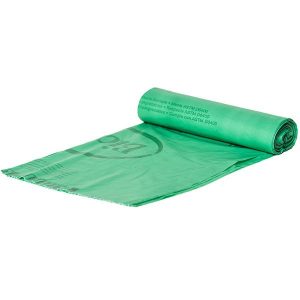
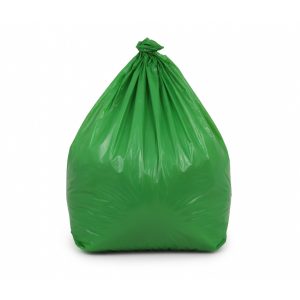
SAYRU® 3 gallon compostable bags deliver the strength and leak resistance you need for daily food scrap collection — without a single gram of conventional plastic. Made entirely from premium plant-based biopolymer resin, each 16.9″ × 17.7″ bag fits standard countertop compost bins, 3-gallon trash cans, and food scrap pails with no overhang or sag. These bags carry triple certification — BPI (ASTM D6400), TÜV Austria OK Compost (Home & Industrial), and DIN CERTCO (EN 13432) — meaning they meet the strictest composting standards on the market and break down into CO₂, water, and nutrient-rich soil within 90 days.
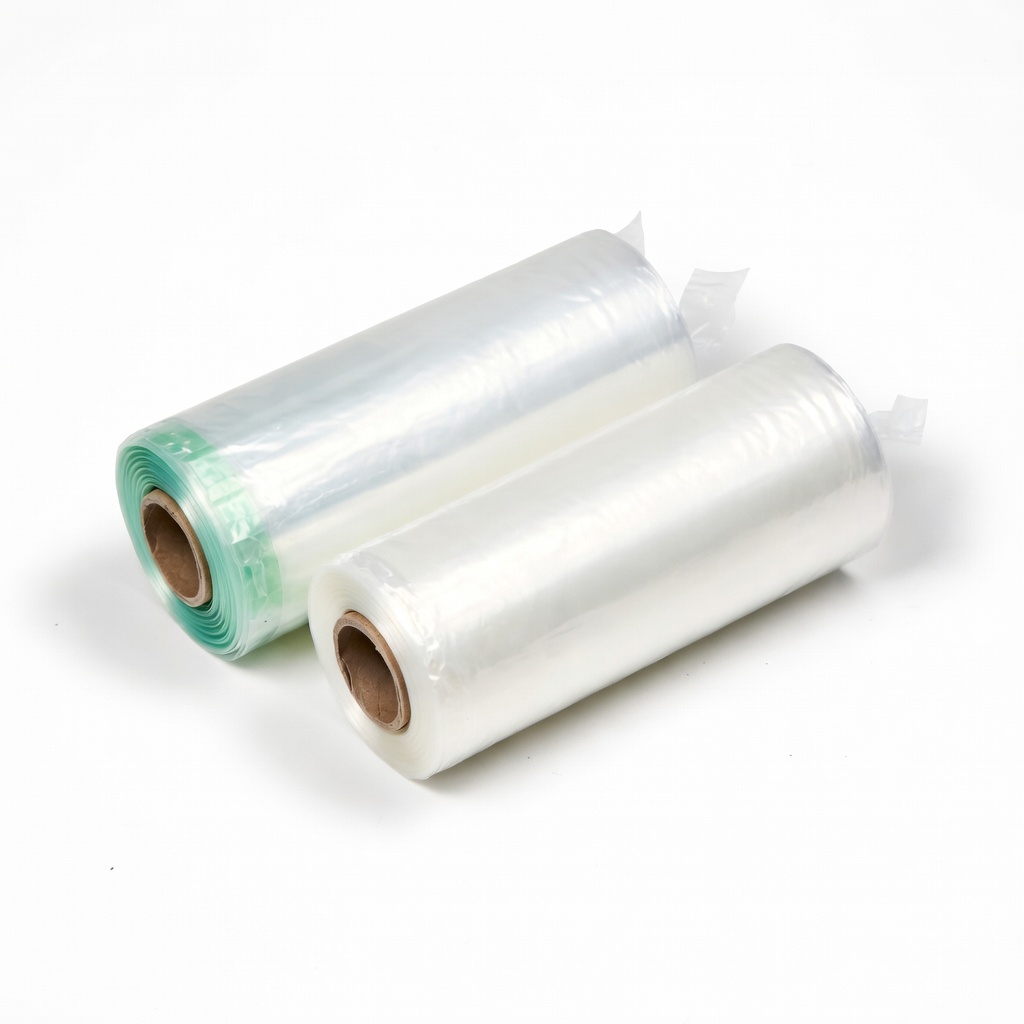
Each box contains 200 bags on two easy-tear rolls, and each case packs 10 boxes (2,000 bags total) — built for high-volume operations and bulk procurement. Whether you run a café generating daily food waste or manage a corporate sustainability program, SAYRU® 3 gallon compostable bags are the reliable, regulation-ready choice.
Why These Bags Outperform What You’re Using Now
Star-Sealed Bottom That Actually Holds
Leaky compost bags are one of the most common complaints in food waste programs — dripping bins, messy floors, and frustrated staff. SAYRU® bags feature a star-sealed bottom design that distributes weight evenly across the base, eliminating the weak corner seams found in flat-sealed alternatives. The result: no leaks, no tears, and no cleanup even when filled with wet food scraps, coffee grounds, or fruit peels. This seal design is especially critical for operations like cafés and office pantries where bags may sit in bins for hours before disposal.
Genuine Triple Certification — Not Just Marketing Claims
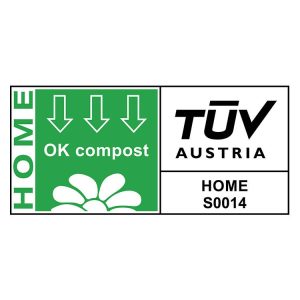
SAYRU® 3 gallon compostable bags hold BPI certification under ASTM D6400, TÜV Austria OK Compost certification for both home and industrial composting, and DIN CERTCO certification under EN 13432. These aren’t vague “eco-friendly” labels — each certification involves independent lab testing that verifies the bags fully biodegrade within regulated timeframes and leave no harmful residues. BPI certification is required by many U.S. municipal composting programs, while TÜV Austria OK Compost Home certification means these bags break down even in lower-temperature backyard compost setups. Certificates are available upon request for compliance review, giving procurement teams the documentation they need.
FDA Food-Contact Safe and 100% Plastic-Free
Every bag is made from renewable plant-based materials and carries FDA approval for direct food contact — a distinction that matters for food service operations, meal prep companies, and grocery delis that need packaging touching food. There is zero polyethylene and zero harmful additives in these bags. For businesses navigating single-use plastic bans or building a sustainability-first brand, this is packaging you can talk about publicly with full confidence.
Built-In Odor and Moisture Control
The breathable biopolymer material reduces trapped moisture and the unpleasant smells that come with sealed food waste. Instead of trapping gases inside the bag — which accelerates rot and stench — the material allows controlled airflow, keeping compost fresher for longer. This means fewer complaints in shared kitchens, office break rooms, and café bussing stations where compost bins are in close proximity to staff and customers.
Full Bag Ban Compliance, Coast to Coast
With compostable bag mandates spreading across states and municipalities — from California to Vermont — businesses need packaging that doesn’t just claim compliance but can prove it. These bags meet state and municipal compostable bag laws and come with certifications that satisfy regulatory audits. Switching proactively protects your operation from fines and positions your brand ahead of upcoming legislation.
90-Day Composting Cycle
These bags decompose within approximately 90 days into CO₂, H₂O, and nutrient-rich biomass, contributing positively to soil health rather than sitting in a landfill for centuries. They are safe for both home backyard composting and municipal industrial composting facilities — giving your customers, tenants, or employees flexibility in how they dispose of them.
Product Specifications
| Specification | Detail |
|---|---|
| SKU | SYR-BAG-003 |
| Capacity | 3 Gallon / 11.35 Liters |
| Bag Dimensions | 16.9 in × 17.7 in (42.9 cm × 45 cm) |
| Thickness | 0.71 MIL (18 μm) |
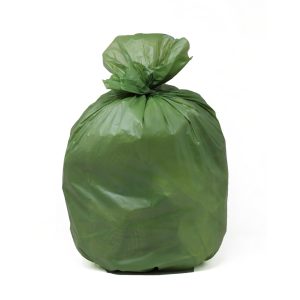
| Color | Translucent Green (industry standard for compostable identification) |
| Material | 100% Plant-Based Biopolymer Resin (plastic-free) |
| Seal Type | Star Seal Bottom |
| Pack Configuration | 100 bags/roll, 2 rolls/box (200 bags per box) |
| Case Configuration | 10 boxes/case (2,000 bags per case) |
| Pallet Quantity | 36 cases/pallet (72,000 bags per pallet) |
| Case Weight | 40 lbs |
| Composting Timeframe | Approximately 90 days |
| Shelf Life | 12 months (store in cool, dry conditions) |
| Food Contact | FDA Approved for Direct Food Contact |
Certifications & Compliance You Can Verify
- BPI Certified (ASTM D6400) — The Biodegradable Products Institute is the leading North American certification body for compostable products. BPI certification under ASTM D6400 verifies that these bags fully biodegrade in commercial composting facilities and is required for acceptance at most U.S. municipal compost programs.
- TÜV Austria OK Compost — Home & Industrial — TÜV Austria’s dual certification confirms these bags break down in both industrial composting facilities (higher heat, controlled conditions) and home backyard compost bins (lower temperatures, less controlled). This dual rating is uncommon and gives buyers maximum disposal flexibility.
- DIN CERTCO (EN 13432) — DIN CERTCO is a German certification body that tests against the European EN 13432 standard for packaging recoverable through composting and biodegradation. This certification is essential for any business exporting to or operating within EU markets.
- FDA Approved for Direct Food Contact — Confirms that the bag material is safe for touching food directly — with no polyethylene or harmful additives — making these bags suitable for food-handling environments.
- Bag Ban Compliant — Meets current state and municipal compostable bag mandates across the United States.
All certificates are available upon request for procurement teams conducting compliance reviews.
Where These Bags Make an Immediate Impact
SAYRU® 3 gallon compostable bags are purpose-built for any environment that generates food waste at scale or needs a sustainable alternative to plastic liners. Below is a detailed breakdown of how these bags solve specific operational pain points across industries.
Restaurants & Quick-Service Chains
Kitchen prep stations generate continuous vegetable trimmings, fruit peels, and plate scrapings. Standard plastic liners contaminate the organic waste stream, making it ineligible for municipal composting pickup. These certified compostable bags let kitchen staff separate food scraps cleanly, keeping your waste hauler contract intact and your diversion rates up. The star-sealed bottom handles wet prep waste — citrus rinds, melon shells, coffee grounds — without leaking onto kitchen floors.
Cafés & Coffee Shops
Spent coffee grounds, tea bags, pastry scraps, and milk carton drippings add up fast in small bins. A 3-gallon compostable liner fits neatly in countertop and under-counter bins without bunching, and the breathable material reduces the sour odor that builds when wet coffee grounds sit in a sealed plastic bag. Staff can swap liners quickly during rush periods without dealing with drips or tears.
Corporate Offices & Co-Working Spaces
Break room and pantry composting programs often fail because employees find the bins messy or smelly. These bags control odor through breathable material and their star-sealed bottom eliminates the dripping that discourages participation. Facilities managers get a bag that fits standard desk-side and break-room 3-gallon bins, arrives in a 2,000-count case for quarterly procurement, and comes with composting certifications that count toward LEED and sustainability reporting goals.
School & University Dining Programs
Educational institutions face growing mandates to divert organic waste from landfills. Cafeteria tray-scraping stations need small, strong liners that students and staff can fill quickly between lunch rushes. The translucent green color provides an immediate visual cue — students see which bins are for compostables versus trash, reducing contamination rates in the waste stream.
Hospital & Healthcare Food Services
Hospital cafeterias and patient meal tray return stations generate significant food waste under strict sanitation requirements. FDA-approved food-contact safety means these bags meet healthcare facility standards. The leak-proof star seal is especially critical in clinical environments where floor spills create slip hazards and infection control concerns.
Catering Companies & Event Kitchens
Event prep kitchens produce surges of food waste over short periods — vegetable prep in the morning, plate scraping after service. Catering teams need bags that won’t give out mid-event. The 200-count box keeps a generous supply on hand, and the 0.71 MIL thickness provides enough toughness for heavy wet waste without the bulk of over-engineered options.
Food Trucks & Mobile Vendors
Space is at a premium in food trucks. A 3-gallon bag fits compact countertop bins and can be tied off and stored in tight quarters without leaking onto equipment. Compostable certification also helps food truck operators comply with the green event requirements that many festivals and municipal permits now mandate.
Grocery Deli & Prepared Foods Counters
Deli counters generate a steady flow of meat trim, cheese ends, expired prepared items, and produce scraps. FDA food-contact approval means staff can use these bags directly at prep stations. Grocers building a sustainability brand can display the green compostable bags at customer-facing compost bins to signal their commitment — the translucent green color is immediately recognizable.
Hotel Room Service & Hospitality
Room service tray collection generates plate waste at every floor pantry. Small 3-gallon liners fit pantry-level compost bins and allow housekeeping staff to separate food waste from general trash without cross-contamination. Hotels pursuing Green Key, LEED, or similar sustainability certifications can document their use of triple-certified compostable bags in their audit reports.
Farmers’ Markets & Outdoor Festivals
Outdoor events increasingly require vendors to use compostable serviceware and waste bags. These BPI-certified bags satisfy those requirements and hold up to on-site waste like corn husks, fruit samples, and plate scrapings. For event organizers, the 36-case pallet option provides enough inventory for large multi-day festivals.
Meal Kit Delivery & Ghost Kitchens
High-throughput ghost kitchens and meal prep facilities generate continuous ingredient trim waste. These bags allow efficient organic waste segregation at each prep station without contaminating recyclable or landfill streams. The 2,000-count case configuration matches the bulk procurement cycles of high-volume operations.
Stadium & Arena Concessions
Concession stand back-of-house areas need compact, reliable bags for food prep waste. The 3-gallon size fits under-counter bins common in tight concession booth layouts, and the BPI certification satisfies the zero-waste policies that major sports venues are adopting.
Airline & Transportation Catering
In-flight catering kitchens process thousands of meals daily and face strict waste separation rules at many international airports. Certified compostable bags streamline food waste segregation during tray assembly and de-traying, and EN 13432 certification ensures compliance with European airport waste regulations.
Residential & Household Use
For eco-conscious households, these bags turn daily kitchen scraps — eggshells, coffee filters, banana peels, vegetable ends — into compost-ready bundles. TÜV Austria OK Compost Home certification means they break down in backyard compost bins, not just industrial facilities. The 200-count box provides months of supply for a typical household generating one bag of scraps every day or two.
Compostable Bags vs. Traditional Plastic Liners
| Factor | SAYRU® Compostable Bags | Conventional Plastic Bags |
|---|---|---|
| Material Source | 100% renewable plant-based biopolymer | Petroleum-based polyethylene |
| Decomposition Time | ~90 days in composting conditions | Hundreds of years in landfill |
| End Product | CO₂, H₂O, and nutrient-rich soil | Microplastic fragments |
| Composting Compatibility | Accepted in municipal & home compost | Contaminates compost streams |
| Food Contact Safety | FDA approved, no harmful additives | May contain plasticizers and BPA |
| Regulatory Compliance | Meets plastic bag ban mandates | Increasingly restricted or banned |
| Certifications | BPI, TÜV Austria, DIN CERTCO | None for compostability |
Switching from plastic liners to certified compostable bags isn’t just an environmental decision — it’s a regulatory and operational one. Businesses that wait for bans to take effect risk scrambling for compliant alternatives at a premium. SAYRU® bags let you make the switch now, with full certification documentation to back every claim.
Frequently Asked Questions
Are these bags accepted in municipal composting programs?
Yes. SAYRU® 3-gallon bags carry BPI certification under ASTM D6400, which is the standard required by most U.S. municipal composting facilities. Certification documents are available upon request for submission to your waste hauler or local composting program.
Can I compost these bags in my backyard compost bin?
Yes. These bags hold TÜV Austria OK Compost Home certification, which specifically verifies that they break down in lower-temperature home composting environments — not just in industrial facilities. They decompose into CO₂, water, and nutrient-rich biomass within approximately 90 days.
What are these compostable bags made of?
They are made from a premium plant-based biopolymer resin derived from renewable sources. The bags contain zero polyethylene, zero conventional plastic, and no harmful additives. They are FDA approved for direct food contact.
How strong are these bags compared to regular plastic?
The star-sealed bottom design distributes weight evenly and prevents the corner leaks common in flat-sealed bags. At 0.71 MIL (18 μm) thickness, these bags handle typical food scraps — fruit peels, coffee grounds, vegetable trimmings, plate scrapings — without tearing or leaking.
What size bins do these bags fit?
These bags measure 16.9″ × 17.7″ and are designed for 3-gallon (11.35-liter) containers, including countertop compost bins, small trash cans, food scrap pails, and under-counter bins commonly used in cafés and offices.
How should I store these bags?
Store in a cool, dry place and use within 12 months for best performance. Because the bags are designed to biodegrade, exposure to heat, moisture, or direct sunlight during storage can reduce their shelf life.
Do these bags help with compost bin odor?
Yes. The breathable biopolymer material allows controlled airflow rather than trapping gases, which reduces the buildup of unpleasant smells. This makes them particularly well-suited for indoor compost bins in kitchens, offices, and break rooms.
Are there any foods I should avoid putting in these bags?
The bags work well with most food scraps — fruit peels, vegetable trimmings, coffee grounds, eggshells, and general plate waste. Avoid storing leafy greens for extended periods, and dispose of high-acid or high-alkaline waste (such as citrus in large quantities or cleaning-soaked items) within 3 days to maintain bag integrity.
What certifications do these bags hold?
They carry three independent composting certifications: BPI (ASTM D6400) for North American industrial composting, TÜV Austria OK Compost for both home and industrial composting, and DIN CERTCO (EN 13432) for European composting standards. They are also FDA approved for direct food contact.
How do I order in bulk or request a sample?
SAYRU® offers factory-direct pricing on bulk orders. Cases contain 2,000 bags (10 boxes × 200 bags), and pallets hold 36 cases (72,000 bags). Contact us to request a free sample, discuss custom printing, or receive a bulk quote tailored to your volume.
Related Trash Bags products
- Compostable 44 Gallon BioBag Trash Bags for Foodservice & Catering
- Compostable 33 Gallon BioBag Trash Bags | Hot Food Safe to 220°F | Freezer-Safe Meal Prep
- 13 Gallon Compostable Trash Bags — 0.90 Mil Plant-Based Tall Kitchen Bags, Dual Certified
Browse all Trash Bags products.
Material & performance
FSC-certified paper construction with food-contact safe inks. The wall stock is calibrated for warm-side service and resists the wicking that destroys lesser kraft alternatives. Composts in 60–120 days in BPI-certified facilities, conforms to ASTM D6868 for paper packaging with biodegradable coatings.
Where this fits in your operation
Star-sealed bottoms (no leak path), commercial-grade gauge that survives back-of-house handling, and BPI-certified end-of-life that lets your municipal composting program actually accept the bag.
Compostability standards
This product is certified by BPI (the leading North American compostability certifier) and meets ASTM D6400 for compostable plastics or ASTM D6868 for paper substrates with biodegradable coatings. End-of-life processing requires an industrial composting facility — check your municipal program before disposal.