
Industry Knowledge
The compostable packaging industry is moving fast — new materials, new standards, new regulatory crackdowns on greenwashing claims. The guides in this category cover the industry-level context: how compostable, biodegradable and recyclable actually differ; which “eco” terms are scientifically meaningful and which are marketing inventions; how regional waste infrastructure shapes what’s actually compostable in practice; and where the bioplastics industry is heading. These pieces are written for buyers and sustainability leads who want to understand the system, not just buy a product — because the right packaging decision depends on understanding what happens after the product leaves your customer’s hand.
-
A Compostable Pallet That Survived a 12-Foot Drop Test
Compostable shipping pallets sound like an oxymoron — until you watch one survive a 12-foot drop with a 2,000 lb load. The materials, the engineering, and what it means for sustainable logistics.
-
A 1970s Compostable Plastic Patent the World Forgot
Decades before PLA went mainstream, chemists were patenting compostable plastic formulations that never reached scale. The 1970s patents reveal what we missed — and what we’re now rediscovering.
-
The Role of PBAT in Compostable Film Blends: A Foodservice Operator’s Technical Reference
PBAT — polybutylene adipate terephthalate — plays critical role in compostable film blends despite being petroleum-derived. Understanding PBAT’s role in compostable bag and film formulations supports informed B2B procurement evaluation.
-
Compostable Adhesive Chemistry: A Foodservice Operator’s Technical Reference
Compostable adhesives — the bonding chemistry holding paper-based foodware structures together — represent foundation for boxes, bags, and various paper-based compostable products. Understanding compostable adhesive chemistry supports informed B2B procurement evaluation.
-
The Basics of Cellulose-Based Compostable Packaging
Cellulose-based packaging is the quiet workhorse of the compostable world: stronger than starch films, faster to break down than PLA, and made from wood, cotton, or bamboo pulp.
-
The 2014 California First State Plastic Bag Ban: How the First US Statewide Ban Reshaped National Plastic Policy
California’s 2014 SB 270 — first US statewide plastic bag ban — established precedent that subsequently shaped state-level plastic regulation across America. Understanding the historical significance provides B2B context for modern compostable program development.
-
The 1990s Yard Waste Composting Municipal Programs: How Composting Infrastructure Began at Scale
Through the 1990s, US municipalities developed yard waste composting programs that established foundational composting infrastructure subsequently expanding to food waste and compostable foodware. Understanding this development provides B2B context for current composting program viability.
-
What’s the Difference Between PLA and PHA?
PLA and PHA are the two most common bioplastics in compostable foodware. They look similar but differ on cost, home-compostability, and use cases. Here’s the operator’s guide.
-
A Compostable Calendar That Plants Itself in Spring
Seed paper calendars are a real product — wall calendars made from compostable paper embedded with wildflower or vegetable seeds. Tear off the pages, plant them, and they grow.
-
The 1944 Tetra Pak Development: How Aseptic Packaging Reshaped Beverage Industry
Ruben Rausing and Erik Wallenberg developed Tetra Pak aseptic packaging in 1944 in Sweden, eventually transforming beverage industry packaging globally. Understanding Tetra Pak history provides B2B context for the broader plastic-coated paper packaging industry development.
-
The Basics of Paper-Based Compostable Foodware
Paper-based compostable foodware is the workhorse of the industry — cheaper than PLA, faster to break down than molded fiber, and easier to brand. Here’s how it actually works.
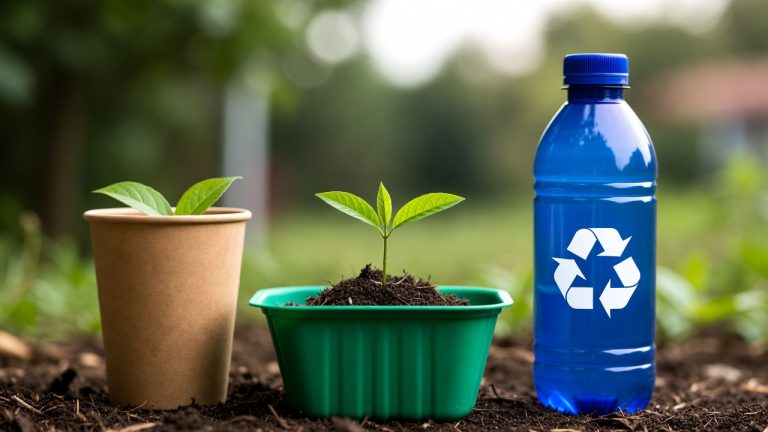
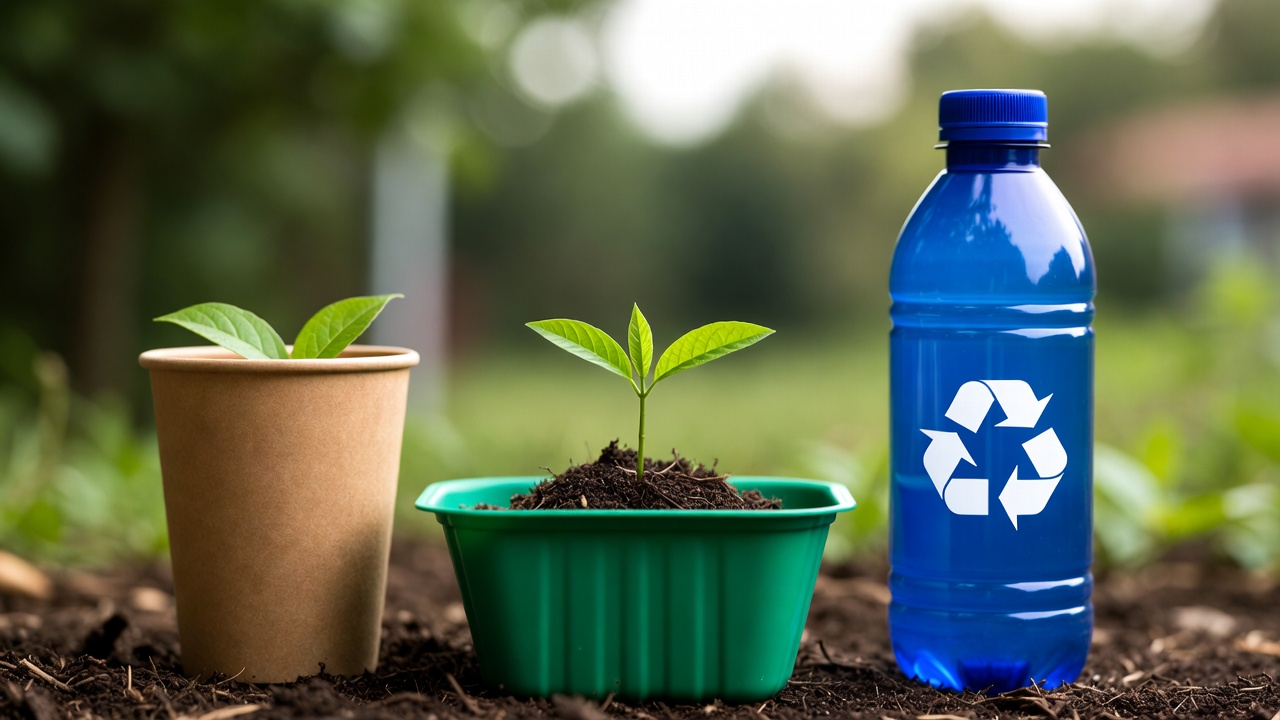
Compostable vs. Biodegradable vs. Recyclable: What’s the Difference?
Table of contents Jump to: The Three Pathways: A Fundamental Distinction Recyclable: Extending Material Life Through Reprocessing Biodegradable: The Most Misunderstood Term in Sustainability Compostable: The Gold Standard, With Conditions International Compostability Standards: A Technical Comparison The Greenwashing Problem: Terms to Watch Out For Side-by-Side Comparison Making the Right Choice: A Decision Framework The Bigger…