
Compostable Packaging Resources & Guides
Welcome to the Pure Compostables resource library — a working set of in-depth guides written for the people who actually procure, evaluate, and switch to compostable packaging. You’ll find detailed certification breakdowns (BPI, TUV, EN 13432, ASTM D6400 and beyond), step-by-step playbooks for transitioning a business away from conventional plastics, and product selection guides covering bag sizes, materials, and use cases. Every article is written from the perspective of a manufacturer with thirteen years of operating experience — not a marketing team. Use the categories below to navigate by topic, or browse the most recent guides directly. If your question isn’t answered here, our team is happy to help — start with our wholesale page or send us a note via the contact page.
-
The Five-Minute Compost Stir That Doubles Your Pile’s Speed
A weekly five-minute stir is the highest-ROI activity in home composting. Done right, it doubles decomposition speed and prevents most pile problems. Here’s how.
-
Why Is My Compost Pile Wet?
A too-wet compost pile is one of the most common backyard problems. The fix is usually simple — but the diagnosis matters. Here’s how to identify the cause and fix it fast.
-
The 1944 Tetra Pak Development: How Aseptic Packaging Reshaped Beverage Industry
Ruben Rausing and Erik Wallenberg developed Tetra Pak aseptic packaging in 1944 in Sweden, eventually transforming beverage industry packaging globally. Understanding Tetra Pak history provides B2B context for the broader plastic-coated paper packaging industry development.
-
The Basics of Paper-Based Compostable Foodware
Paper-based compostable foodware is the workhorse of the industry — cheaper than PLA, faster to break down than molded fiber, and easier to brand. Here’s how it actually works.
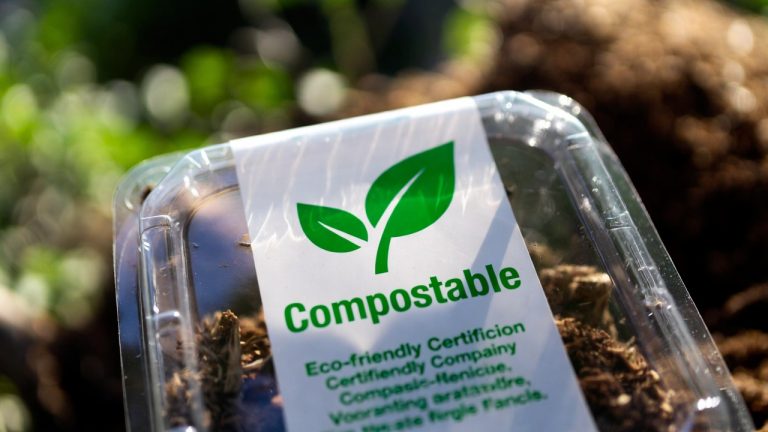
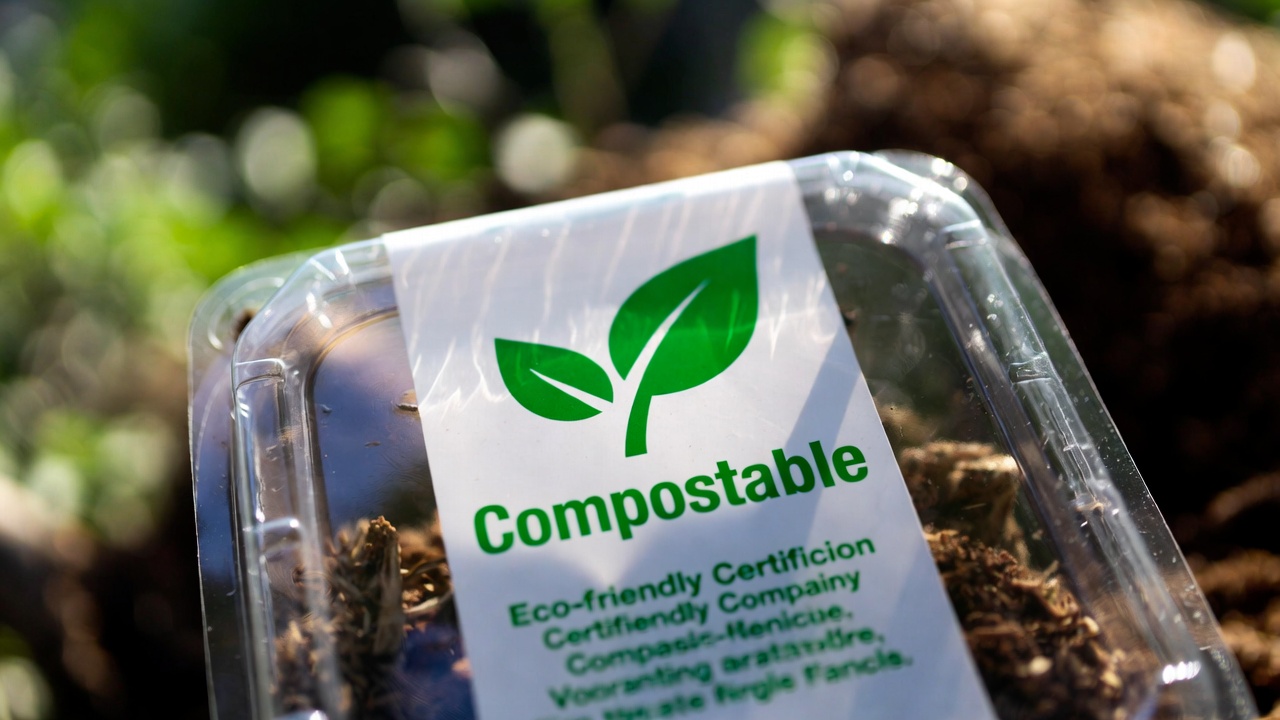
A Guide to Compostability Certifications: BPI, TUV, EN 13432, and Every Standard You Need to Know
Table of contents Jump to: The Critical Distinction: Standards vs. Certifications vs. Logos The Four Pillars of Compostability Testing Standard-by-Standard Breakdown Certification Body Profiles Industrial vs. Home Composting Certification: A Critical Distinction Which Certifications Do You Need? A Market-Based Decision Matrix How to Verify a Compostability Certification The Certification Process: What It Takes Regulatory Consequences…
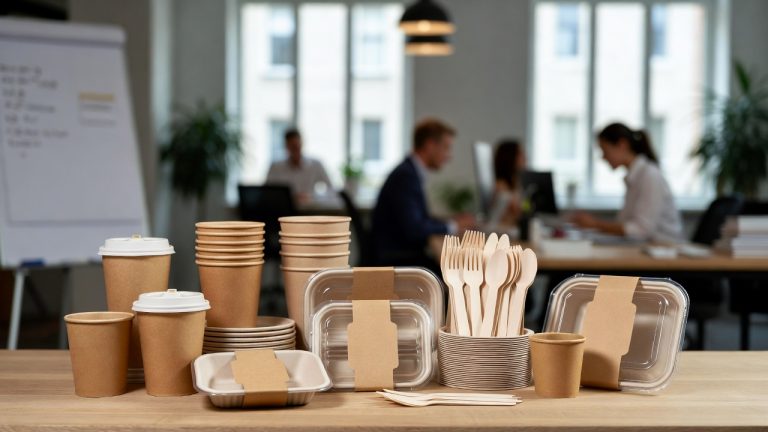

How to Switch Your Business to Compostable Packaging
Table of contents Jump to: Phase 1: Packaging Audit, Know What You Are Replacing Phase 2: Material Selection, Matching Performance to Application Phase 3: Supplier Evaluation, Beyond Price Per Unit Phase 4: Compliance and Certification, Getting the Legal Framework Right Phase 5: Infrastructure Setup, Making Composting Actually Happen Phase 6: Staff Training, The Make-or-Break Factor…
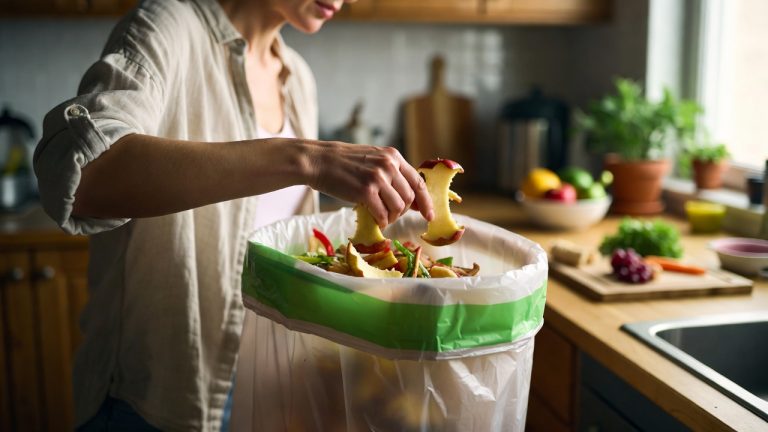
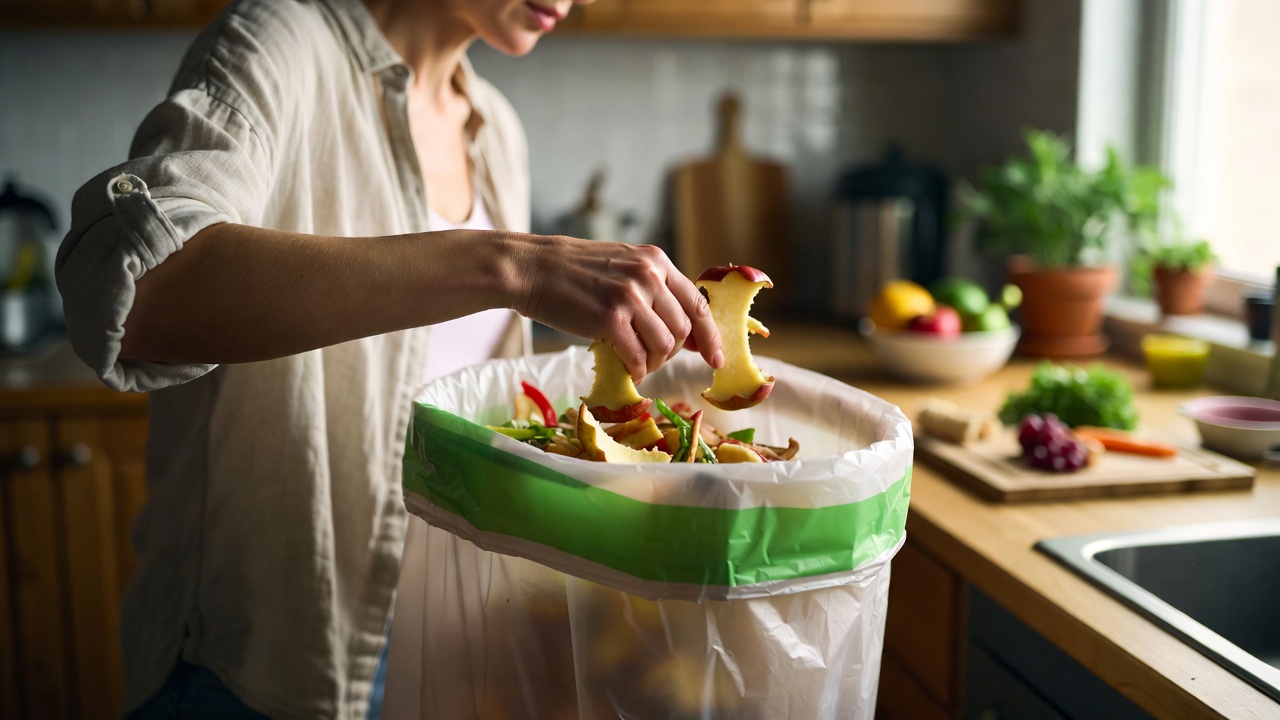
How to Choose the Right Compostable Trash Bag Size
Table of contents Jump to: Why Size Matters More for Compostable Bags Step 1: Measure Your Bin Correctly Step 2: Understand Standard Bag Sizes Step 3: Match Thickness to Waste Type Step 4: Choose the Right Seal Type Step 5: Consider the Closure Method Step 6: Factor in Shelf Life and Storage Sizing by Application:…
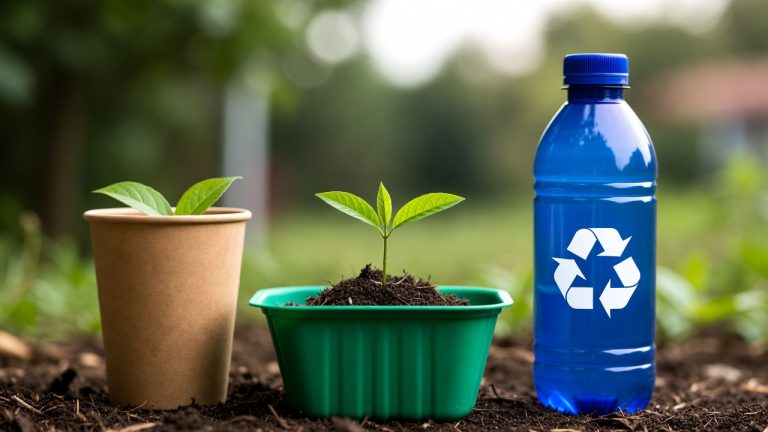
Compostable vs. Biodegradable vs. Recyclable: What’s the Difference?
Table of contents Jump to: The Three Pathways: A Fundamental Distinction Recyclable: Extending Material Life Through Reprocessing Biodegradable: The Most Misunderstood Term in Sustainability Compostable: The Gold Standard, With Conditions International Compostability Standards: A Technical Comparison The Greenwashing Problem: Terms to Watch Out For Side-by-Side Comparison Making the Right Choice: A Decision Framework The Bigger…
-
10 Compostable Materials Compared by Cost Per Unit
Compostable foodware materials vary 4x or more in unit cost. Here’s the honest comparison across the ten most common substrates and what drives the price.
-
Massachusetts Foodservice Sustainability: A B2B Operator’s Compliance Reference
Massachusetts has enacted progressive sustainability legislation including various foodware restrictions and broader environmental commitments. Understanding Massachusetts-specific regulatory landscape supports informed B2B compliance for Massachusetts-located operations.
-
Compostable Third-Party Delivery Procurement: A B2B Reference for Restaurants Using DoorDash, Uber Eats, Grubhub
Restaurants using third-party delivery (DoorDash, Uber Eats, Grubhub) face specific compostable procurement considerations supporting delivery customer experience while operating through delivery platform model. Understanding third-party delivery procurement supports B2B strategy.
-
Compostable Packaging for Specialty Smoothie Brands: A B2B Operator’s Guide
Specialty smoothie brands — operations focused on premium smoothie service with brand-forward presentation — face specific compostable packaging challenges. Building compostable programs requires understanding the operational profile.