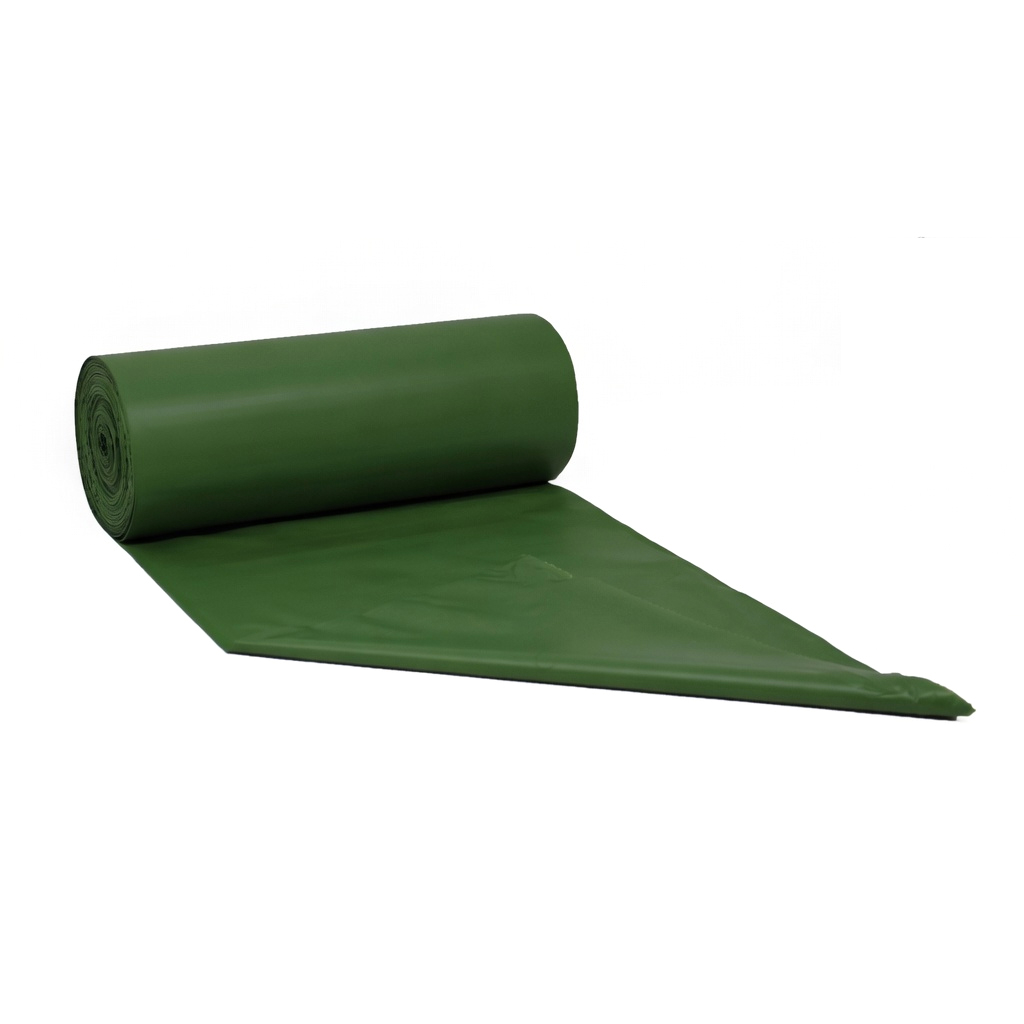
Large-Format Compostable Bags at Commercial Volume for the Operations That Need Them Most
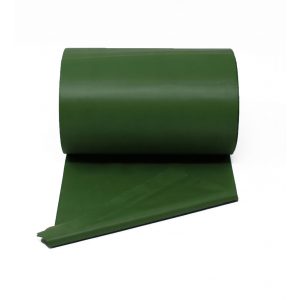
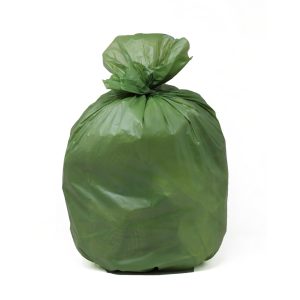
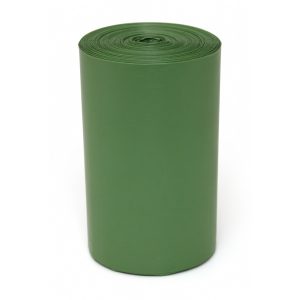
This 160-count commercial case of 33 gallon compostable trash bags puts an entire season’s worth of large-format waste bags into a single procurement event — serving landscaping companies, municipal yard waste programs, event production teams, and commercial facilities that consume large bags at scale. Every bag in the case measures 34″ × 48″ (86 cm × 122 cm) with a heavy-duty 0.90 mil (23 micron) wall manufactured from plant-derived PLA (Polylactic Acid) and PBAT (Polybutylene Adipate Terephthalate). Each bag is dual-certified under OK Compost HOME for backyard composting and EN 13432 for industrial composting facilities — ensuring the bag enters the composting process alongside its contents rather than contaminating the organic waste stream.
SAYRU® bulk 33 gallon compostable trash bags in the 160-count commercial case deliver 0.90 mil PLA/PBAT construction with dual OK Compost HOME and EN 13432 certification in a full-size 34″ × 48″ lawn, leaf, and large-bin format at the per-unit economics that make commercial-scale organic waste collection financially sustainable. For landscaping contractors filling 20+ bags per job site, municipalities distributing bags to thousands of residents, and event operators deploying dozens of large waste stations per venue, the 160-count case is the procurement vehicle that transforms compostable bags from a premium expense into standard operating supply.
Why 160-Count Cases Change the Economics of Large-Format Composting
160-Count Commercial Case — Season-Scale Supply
A landscaping crew filling 10–15 bags per job site burns through a 20-count retail pack in a single workday. Over a 30-week growing season, that is 300–450 bags per crew — requiring 15–23 individual pack purchases, constant inventory monitoring, and retail-level pricing that erodes profit margins on every contract. The 160-count commercial case consolidates 8 retail packs into a single case, providing 10–16 workdays of supply per crew. For a company running 3–5 crews simultaneously, a quarterly order of 4–6 cases covers the entire operation through peak season. Fewer purchase orders, fewer deliveries, dramatically lower per-bag cost, and the logistical simplicity that lets crews focus on landscaping instead of supply runs.
Heavy-Duty 0.90 Mil (23 Micron) Wall Construction
Large-format bags face the most extreme mechanical demands in waste management. Wet autumn leaves, heavy grass clippings, dense hedge trimmings, sharp branches, saturated food waste, and mixed yard debris all concentrate significant weight — often 30 to 40+ pounds — into a single bag. These bags are dragged across lawns, lifted into truck beds, dropped onto pavement, compressed under additional weight, and handled with work gloves rather than gentle care. At 0.90 mils (23 microns), every bag in this 160-count case carries walls engineered for this professional-grade abuse profile. The PLA/PBAT material blend resists punctures from branches and sharp debris, sustains heavy loads without bottom blowouts, and survives the rough handling that commercial landscaping, event cleanup, and municipal collection demand.
PLA and PBAT — Plant-Based Performance at Commercial Scale
The engineering challenge of a large-format compostable bag is fundamentally different from a kitchen bag: larger surface area means more stress per unit of material, heavier loads create greater sustained tension, and unstructured use cases — standalone lawn bags set on ground, dragged across pavement, tossed into truck beds — introduce abrasion forces that smaller bags never encounter. PLA (Polylactic Acid) from renewable plant feedstock provides the puncture resistance and stiffness that prevents slow stretching under heavy sustained loads. PBAT (Polybutylene Adipate Terephthalate) delivers the flexibility and elongation that absorbs sharp impacts from branches, rocks, and dense debris without catastrophic tearing. Together, they produce a compostable bag that handles like a conventional polyethylene contractor bag — minus the centuries of landfill persistence.
Dual Certification — One Case Serves Every Composting Pathway
Yard waste and large-bin organic waste are processed through diverse composting pathways depending on jurisdiction and customer type. Some municipalities operate industrial composting facilities, some promote residential backyard composting, many support both. These bags carry both OK Compost HOME certification (verified by TÜV Austria for biodegradation in home composting systems) and EN 13432 certification (the European harmonized standard requiring 90%+ biodegradation within 6 months in industrial facilities with strict ecotoxicity and heavy metal limits). For distributors serving mixed customer bases — residential consumers who compost at home and commercial operations that use municipal composting services — dual certification eliminates the need for parallel product lines. One case, one SKU, every composting pathway covered.
34″ × 48″ — Bin Liner and Standalone Collection Bag
The 33 gallon format serves two distinct functions that no smaller bag can fill. As a bin liner, it fits standard 33 gallon outdoor bins, yard waste containers, and large indoor commercial receptacles. As a standalone collection bag, it can be filled directly with leaves, clippings, and yard waste, tied, and placed curbside without a rigid container. This dual-purpose capability — the only bag format that works both ways — makes the 33 gallon the most versatile large-format bag in any product line. The 160-count case provides enough bags to support both applications across an entire operation or distribution program.
Completely Unscented — Zero Contamination in the Compost Stream
Yard waste and organic material entering the composting process should be free of synthetic chemicals. These bags contain zero fragrances, perfumes, or masking agents — contributing nothing except compostable plant-based polymers to the organic waste stream. For commercial composting facilities that monitor incoming contaminant levels, and for home composters who use finished compost on vegetable gardens and fruit trees, unscented bags eliminate the risk of chemical residue in the final product.
Product Specifications
| Parameter | Detail |
|---|---|
| Pack Count | 160 Bags per Commercial Case |
| Capacity | 33 Gallon |
| Bag Dimensions | 34″ × 48″ (86 cm × 122 cm) |
| Wall Thickness | 0.90 Mils (23 Microns) |
| Material | PLA (Polylactic Acid) + PBAT (Polybutylene Adipate Terephthalate) |
| Material Source | Plant-derived / renewable resources |
| Scent | Unscented |
| Certifications | OK Compost HOME; EN 13432 (Industrial Composting) |
| Bin Compatibility | Fits standard 33 gallon bins; also usable as standalone lawn & leaf bags |
| Format | Bulk / Commercial Case |
| Recommended Storage | Cool, dry place; use within 12 months of purchase |
Certifications & Compliance: Procurement-Grade Documentation for Large-Scale Programs
OK Compost HOME — Administered by TÜV Austria, this certification verifies that each bag fully biodegrades under the lower-temperature conditions of residential backyard composting. For municipalities distributing bags to residents, property managers supplying homeowners’ associations, and retailers serving the residential market, OK Compost HOME validates that the bag can be composted at home with yard waste — no separating, no microplastic fragments in the finished compost. In a 160-count commercial case, every bag carries this credential uniformly, providing batch-level consistency that commercial distribution programs require.
EN 13432 — The European harmonized standard for packaging recoverable through composting and biodegradation. EN 13432 mandates disintegration within 12 weeks, biodegradation of at least 90% within 6 months, strict limits on heavy metals, and verified absence of negative ecotoxicity effects on finished compost. For commercial composting facilities processing municipal yard waste, EN 13432 certification is the credential that keeps these bags in the composting process rather than the contaminant rejection pile. Government procurement RFPs for yard waste bag programs typically specify EN 13432 or equivalent certification as a mandatory supplier qualification. This 160-count case delivers documented, auditable compliance in a single palletizable shipment.
Dual certification across both standards positions this product as the defensible procurement choice for every yard waste and large-bin organic waste composting program — from backyard piles to industrial windrow facilities to municipal curbside collection.
Where 160-Count Cases of 33 Gallon Bags Solve the Biggest Problems
A 160-count commercial case of certified compostable 33 gallon bags is designed for organizations that consume large-format waste bags at professional or institutional scale. Below is a comprehensive breakdown of the industries and scenarios where this bulk format directly addresses documented operational and procurement challenges.
Commercial Landscaping & Grounds Maintenance Contractors
Professional landscaping crews are the highest-volume consumers of 33 gallon bags. A crew maintaining residential properties, commercial campuses, and public spaces can fill 10–20 bags per job site — grass clippings, hedge trimmings, leaf litter, pulled weeds, and small branches. Over a 30-week season, a single crew consumes 300–600 bags. The 160-count case provides 8–16 days of supply per crew, and a quarterly order of 3–4 cases sustains a crew through an entire season. For landscaping companies serving clients with sustainability requirements — corporate campuses, LEED-certified buildings, municipal parks departments — certified compostable bags demonstrate environmental compliance at the operational level. The 0.90 mil wall handles the rough treatment that professional landscaping demands: bags dragged across lawns, loaded with work gloves, compressed under additional weight in truck beds, and dropped at curbside collection points.
Municipal Curbside Yard Waste Programs
Cities and counties operating curbside yard waste collection increasingly require or recommend certified compostable bags. Conventional plastic bags contaminate the composting process, forcing facilities to screen, remove, and landfill them — adding cost and reducing compost yield. A mid-size municipality distributing bags to 10,000+ households needs commercial case quantities with full certification documentation. The 160-count case is the procurement-friendly format that municipal purchasing systems are designed to process — standardized, palletizable, and accompanied by dual certification credentials. A single pallet of cases can supply a community distribution event, stock a city-operated retail point, or fulfill a seasonal residential allocation program. EN 13432 satisfies industrial composting facility requirements; OK Compost HOME serves residents who compost at home.
Large-Scale Outdoor Events & Festivals
Multi-day festivals, concerts, sporting events, trade shows, and community celebrations deploy dozens of 33 gallon waste stations across vendor areas, food courts, audience zones, backstage areas, and VIP hospitality sections. A major music festival can consume 100+ large bags per day across all waste zones. The 160-count case provides 1–2 days of full-site coverage — a manageable logistics unit that event production teams can pre-position at each zone. Many event venues and municipalities now mandate composting compliance for event permits. Dual-certified compostable bags allow event waste — food scraps, compostable serviceware, napkins, and organic refuse — to be routed directly into the composting stream without bag-removal labor at the composting facility.
Golf Courses & Country Clubs
Grounds maintenance at golf courses generates enormous volumes of organic waste across 18+ holes, practice areas, clubhouse landscaping, and seasonal plantings. A course maintenance crew can fill 15–30 bags per day during peak season mowing and cleanup. The 160-count case provides roughly one week of supply — aligning with the weekly delivery cadence that most course maintenance operations already use. For clubs pursuing environmental certifications or marketing sustainability to members, switching grounds-maintenance bags to certified compostable alternatives provides documented environmental improvements in an area that directly touches the club’s most visible asset — its course.
Property Management & HOA Grounds Programs
Property management companies maintaining apartment complex grounds, condominium common areas, and HOA-managed landscapes need large-format bags for grounds crews and resident distribution. A 200-unit apartment community with maintained grounds and seasonal yard waste pickup can consume 30–50 large bags per week between professional grounds crews and resident use. The 160-count case provides 3–5 weeks of supply. For communities distributing bags to residents as part of a building-wide composting initiative, the 160-count case provides enough bags to serve a mid-size community for an entire distribution cycle. Dual certification covers both residents composting at home and those placing bags curbside for municipal pickup.
University & School District Campus Maintenance
Campus grounds crews at universities and K-12 school districts maintain acres of lawns, athletic fields, tree-lined walkways, and garden areas that produce ongoing yard waste throughout the academic year and peak volumes during fall and spring. A university campus can consume 50–100 large bags per week during leaf season. The 160-count case provides 1.5–3 weeks of supply at that rate. District-level and university purchasing departments need commercial case quantities that institutional procurement systems can process, with dual certification documentation that satisfies sustainability mandates and public procurement compliance requirements.
Corporate Campus & Business Park Facilities
Corporate campuses and commercial business parks with maintained landscape areas produce ongoing yard waste. Sustainability-focused corporate tenants expect organic waste from grounds maintenance to be composted, not landfilled. The 160-count case provides enough bags for 2–4 months of typical campus grounds maintenance, creating a quarterly procurement cycle that aligns with standard corporate purchasing schedules. Switching grounds bags to certified compostable alternatives creates a documentable ESG improvement that facility managers can include in annual sustainability reporting.
Restaurant & Commercial Kitchen Large-Bin Waste
Large prep kitchens, commissary operations, and high-volume food-service facilities use 33 gallon bins for bulk food waste that exceeds what kitchen bags can handle. During peak service or high-production prep windows, these bins fill rapidly with dense vegetable trim, meat scraps, bakery waste, and plate waste. A busy commercial kitchen can go through 5–10 large bags per day. The 160-count case provides 16–32 days of supply — roughly a monthly reorder cycle. Certified compostable bags keep the commercial food waste stream clean for composting pickup, maintaining compliance with municipal organics diversion mandates.
Farmers’ Markets & Agricultural Operations
Market organizers, produce vendors, and agricultural operations generate heavy organic waste — unsold produce, crop residue, demo station food scraps, and market-day vendor waste. Market-wide zero-waste mandates increasingly require compostable bags at all vendor waste points. The 160-count case supplies an entire market season for a mid-size farmers’ market operation. For agricultural operations composting crop residue and farm waste, certified compostable bags ensure the collection vessel does not contaminate the composting process.
Stadium, Arena & Convention Center Operations
Concourse waste stations, concession areas, and back-of-house operations at venues deploy 33 gallon bins for high-volume waste collection during events. A single event at a major venue can consume 30–50 large bags across all waste zones. The 160-count case covers 3–5 events — a manageable inventory unit for venue operations teams managing monthly or weekly event calendars. Venues pursuing LEED certification or Green Sports Alliance membership need compostable waste infrastructure throughout the facility. These dual-certified bags allow organic waste to enter the composting stream without the contamination that conventional plastic bags cause.
Construction Sites & Green Building Projects
Construction sites generating organic debris — site clearing vegetation, landscaping waste from finish grading, and crew lunch waste — can use 33 gallon compostable bags to divert organic materials from the general waste stream. For projects pursuing LEED certification or operating under green building standards, documented composting of organic site waste contributes to waste diversion credits. The 160-count case provides enough bags for the landscaping and finish phases of a mid-size commercial project.
Community Gardens & Urban Agriculture
Community garden programs, urban farming co-ops, and shared composting initiatives need large-format bags for crop residue, seasonal cleanup, and plot-turnover waste. The 160-count case supplies an entire community garden for a growing season. Distributing certified compostable bags to individual plot holders eliminates the risk of conventional plastic contaminating the garden’s shared composting system. The OK Compost HOME certification means bags can go directly into the garden’s compost along with crop residue.
Church, Community Hall & Civic Event Waste
Large community meals, holiday celebrations, fundraiser events, and civic gatherings at churches, synagogues, community centers, and civic halls generate food waste and compostable serviceware in 33 gallon bins. The 160-count case provides enough bags for a year’s worth of community events at a typical facility. For faith-based and civic organizations with sustainability missions, certified compostable bags enable composting of event waste without the contamination issues that conventional plastic creates.
Eliminating the Biggest Source of Plastic Contamination in the Biggest Organic Waste Stream
Yard waste is the largest organic waste stream by weight in most municipalities, and conventional polyethylene bags are the single largest source of plastic contamination in yard waste composting operations. Every plastic bag that enters a composting facility must be identified, removed, and landfilled — adding labor cost, reducing throughput, and leaving behind microplastic fragments that degrade finished compost quality and marketability. At commercial scale, this contamination problem is enormous: a single municipality processing 50,000 tons of yard waste annually may remove thousands of plastic bags per week.
These certified compostable bags eliminate that contamination loop entirely. Manufactured from plant-derived PLA and PBAT, they break down completely into carbon dioxide, water, and organic biomass when composted under the conditions specified by their OK Compost HOME and EN 13432 certifications. For composting facilities, the switch to certified compostable bags at the collection point means cleaner incoming material, less labor for contaminant removal, higher compost yields, and better compost quality. The 160-count commercial case makes this switch economically viable at institutional scale — per-bag costs drop dramatically compared to retail packs, and the consolidated case format reduces packaging waste from the procurement process itself.
The 0.90 mil wall thickness ensures this environmental upgrade carries zero performance compromise. These bags match the tensile strength, puncture resistance, and load capacity of conventional polyethylene yard waste bags — the only operational difference is what happens at the composting facility.
Storage & Handling for Bulk Seasonal Inventory
Proper storage is critical for maintaining full performance across the 12-month shelf life. Store cases in a cool, dry environment away from direct sunlight, heating sources, and humidity. Use pallets or shelving — avoid stacking directly on concrete floors in unclimate-controlled warehouses. For seasonal operations like landscaping and yard waste programs, plan case purchases to align with demand cycles rather than stockpiling through summer heat or extended storage periods. First-in, first-out (FIFO) rotation is essential for operations maintaining standing inventory. Use bags within 12 months of purchase for optimal tear strength and flexibility.
Frequently Asked Questions
How many bags come in each commercial case?
Each commercial case contains 160 compostable bags in the 33 gallon size. This bulk format is designed for landscaping companies, municipal yard waste programs, event operators, property managers, and any organization that consumes large-format waste bags at commercial volume.
Are these the same bags as the 20-count retail packs?
Yes. Every bag in the 160-count commercial case is identical in specification to the smaller retail packs: 33 gallon capacity, 34″ × 48″ dimensions, 0.90 mil (23 micron) wall thickness, PLA/PBAT plant-based material, unscented, and dual-certified under OK Compost HOME and EN 13432. The only difference is the case quantity and per-unit economics.
Can these bags be used for lawn and leaf collection?
Yes. The 33 gallon capacity and 34″ × 48″ dimensions are ideal for collecting leaves, grass clippings, garden trimmings, and small branches. They work both as standalone bags — filled, tied, and set curbside — and as liners for 33 gallon yard waste bins. The OK Compost HOME certification means the entire filled bag can go directly into a home compost pile.
What certifications do these bags carry?
Each bag holds two independent certifications. OK Compost HOME, administered by TÜV Austria, verifies biodegradation under home composting conditions. EN 13432, the European harmonized standard for industrial composting, requires at least 90% biodegradation within 6 months with strict limits on ecotoxicity and heavy metals. Dual certification qualifies the bags for both residential and industrial composting pathways.
How much weight can these bags handle?
The 0.90 mil (23 micron) wall thickness is engineered for the heavy loads that large-format bags encounter — wet leaves, dense grass clippings, heavy food waste, sharp branches, and mixed yard debris. The PLA/PBAT dual-polymer blend provides the puncture resistance and sustained-load capacity needed for professional landscaping, event cleanup, and municipal yard waste collection.
What material are these bags made from?
The bags are manufactured from a blend of PLA (Polylactic Acid), derived from renewable plant sources, and PBAT (Polybutylene Adipate Terephthalate). PLA provides structural rigidity and puncture resistance. PBAT provides flexibility and tear resistance. Both materials are fully compostable under the conditions specified by the product’s certifications.
Are these bags accepted in municipal yard waste collection programs?
These bags meet the EN 13432 standard, widely recognized by industrial composting facilities. They also carry OK Compost HOME certification for residential composting. However, individual municipal programs set their own policies. Verify with your local yard waste program that certified compostable bags are accepted before including them in curbside collection.
How should bulk cases be stored?
Store in a cool, dry location away from sunlight, heat, and humidity. Use pallets or shelving — avoid concrete floors in unclimate-controlled warehouses. For seasonal operations, align purchases with demand cycles rather than stockpiling through hot months. First-in, first-out (FIFO) rotation recommended. Use within 12 months of purchase.
Will these bags fit standard 33 gallon outdoor bins?
Yes. At 34″ × 48″ (86 cm × 122 cm), these bags fit standard 33 gallon outdoor bins, yard waste containers, and large indoor commercial waste receptacles. They also work as standalone collection bags without a rigid container.
Is the 160-count case suitable for distributors and municipal purchasing?
Yes. The 160-count commercial case is designed for the wholesale, distribution, and institutional procurement channels. It supports competitive margin structures, provides dual certification documentation for government RFPs, and ships in a standardized palletizable format. Contact SAYRU® for factory-direct distributor pricing, private-label options, and custom case configurations.