The Large-Format Compostable Bag That Handles Yard Waste, Event Cleanup, and Heavy Commercial Loads
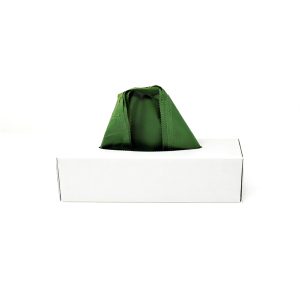
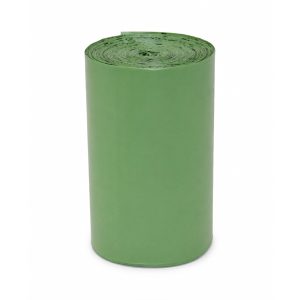
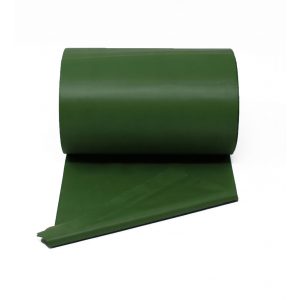
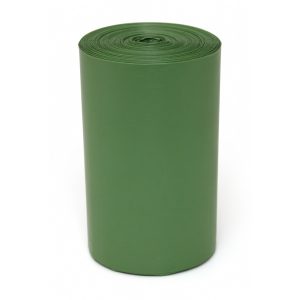
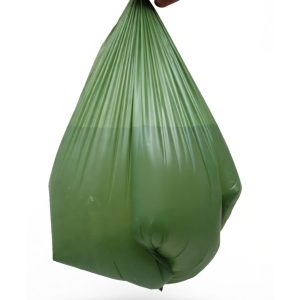
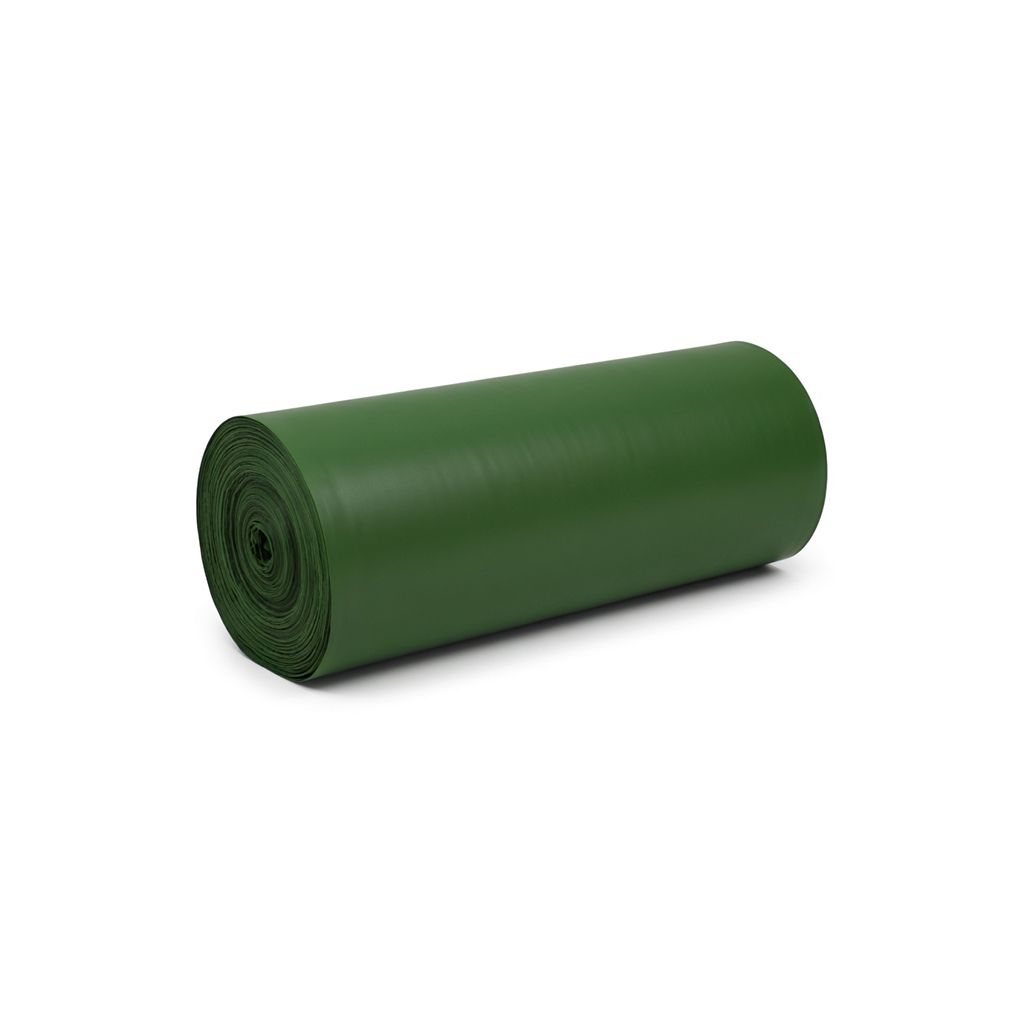
These 33 gallon compostable trash bags are built for the jobs that smaller bags can’t handle — yard waste collection, lawn and leaf cleanup, high-volume commercial waste stations, and large-capacity indoor bins. Each bag measures 34″ × 48″ (86 cm × 122 cm) with a heavy-duty 0.90 mil (23 micron) wall manufactured from plant-derived PLA (Polylactic Acid) and PBAT (Polybutylene Adipate Terephthalate). Dual-certified under OK Compost HOME for backyard composting and EN 13432 for industrial composting facilities, these bags break down completely in the appropriate composting environment — turning yard debris, food waste, and organic refuse into compost instead of centuries-long landfill burden.
SAYRU® 33 gallon compostable trash bags combine 0.90 mil PLA/PBAT construction with dual OK Compost HOME and EN 13432 certification in a full-size 34″ × 48″ format, making them one of the few large-capacity compostable bags on the market that deliver both the structural integrity for heavy yard waste and the certification credentials that commercial composting programs demand. Whether you are bagging leaves curbside for municipal pickup, lining 33 gallon bins at an outdoor festival, or collecting organic waste at a commercial landscaping operation, this is the bag that makes large-scale composting operationally viable.
Engineered for Heavy Loads: Features Built for Large-Format Demands
Heavy-Duty 0.90 Mil (23 Micron) Wall Thickness
Large-format bags face the most extreme mechanical demands of any waste liner. Wet leaves, heavy branches, dense yard clippings, saturated food waste, and sharp debris all concentrate significant weight into a single bag — often 20, 30, or 40+ pounds. Thin compostable bags in this size class fail spectacularly: seam ruptures, bottom blowouts, and sidewall tears that dump the entire contents onto driveways, sidewalks, or facility floors. At 0.90 mils (23 microns), these bags carry the same wall thickness as the smaller kitchen-format bags in a dramatically larger surface area, providing the puncture resistance and sustained-load capacity that heavy yard waste and high-volume commercial waste demand. The result is a compostable bag you can actually fill to capacity, lift, carry, and set curbside without bracing for failure.
34″ × 48″ — The Standard Large-Bin and Lawn & Leaf Format
The 33 gallon size is the most common large-format waste bag specification in North America. It fits standard 33 gallon outdoor bins, yard waste cans, and large indoor commercial waste receptacles. At 34″ × 48″ (86 cm × 122 cm), these bags are dimensioned to fit the full range of 33 gallon bins and to serve as standalone lawn and leaf collection bags that can be filled, tied, and placed curbside without a rigid container. That dual-purpose capability — bin liner and standalone collection bag — makes this the most versatile large-format compostable bag available, serving both structured waste management systems and unstructured seasonal yard cleanup.
Plant-Based PLA and PBAT Material System
The engineering challenge of a large-format compostable bag is fundamentally different from a kitchen bag: the larger surface area means more stress per unit of material, the heavier loads create greater sustained tension, and the unstructured use cases (standalone lawn bags set on ground or dragged across pavement) introduce abrasion that smaller bags never encounter. The PLA/PBAT dual-polymer system addresses all three challenges. PLA (Polylactic Acid) from renewable plant feedstock provides puncture resistance and structural stiffness that prevents the slow stretching and creep under heavy loads. PBAT (Polybutylene Adipate Terephthalate) delivers the flexibility and elongation that allows the bag to absorb sharp impacts from sticks, branches, and dense debris without sudden tearing. Together, they produce a compostable bag that handles like a conventional polyethylene contractor bag — without the centuries of landfill persistence.
Dual Compostability Certification — Home and Industrial
The 33 gallon bag occupies a unique position in composting programs: it is the primary collection vessel for yard waste, which is the single largest organic waste stream by weight in most municipalities. These bags carry both OK Compost HOME certification (verified by TÜV Austria for biodegradation in backyard composting systems) and EN 13432 certification (the European harmonized standard for industrial composting, requiring 90%+ biodegradation within 6 months with strict ecotoxicity and heavy metal limits). For municipalities that require certified compostable bags for curbside yard waste collection, this dual certification ensures compliance regardless of whether the material is processed at an industrial facility or composted locally. For homeowners, the bag can go directly into the backyard compost pile with its yard waste contents — no separating needed.
Completely Unscented — Clean Organic Waste Stream
Yard waste and food waste destined for composting should enter the process as clean organic material — free from synthetic fragrances, chemical masking agents, and volatile organic compounds. These bags are completely unscented, contributing nothing except compostable plant-based polymers to the organic waste stream. For commercial composting facilities that monitor contaminant levels in incoming material, unscented bags reduce the risk of chemical contamination that can compromise compost quality and marketability.
Product Specifications
| Parameter | Detail |
|---|---|
| Pack Count | 20 Bags |
| Capacity | 33 Gallon |
| Bag Dimensions | 34″ × 48″ (86 cm × 122 cm) |
| Wall Thickness | 0.90 Mils (23 Microns) |
| Material | PLA (Polylactic Acid) + PBAT (Polybutylene Adipate Terephthalate) |
| Material Source | Plant-derived / renewable resources |
| Scent | Unscented |
| Certifications | OK Compost HOME; EN 13432 (Industrial Composting) |
| Bin Compatibility | Fits standard 33 gallon bins; also usable as standalone lawn & leaf bags |
| Recommended Storage | Cool, dry place; use within 12 months of purchase |
Certifications & Compliance: Large-Format Bags Need Large-Format Credentials
OK Compost HOME — Issued by TÜV Austria, this certification verifies that the bag fully biodegrades under the lower-temperature, longer-duration conditions of a residential backyard composting system. For homeowners bagging leaves, grass clippings, and garden trimmings for their own compost pile, OK Compost HOME means the entire bag enters the pile and decomposes along with the yard waste — no separating, no fishing out plastic, no microplastic contamination in the finished compost. This is particularly important for gardeners who use their finished compost on vegetable beds and fruit trees, where soil contamination from conventional plastic bag fragments is a genuine concern.
EN 13432 — The European harmonized standard for packaging recoverable through composting and biodegradation. EN 13432 mandates quantifiable performance: disintegration within 12 weeks, biodegradation of at least 90% within 6 months, strict limits on heavy metals, and verified absence of negative ecotoxicity effects on the resulting compost. For municipalities that mandate certified compostable bags for curbside yard waste collection — and for commercial composting facilities that screen incoming material for non-compostable contaminants — EN 13432 certification is the credential that keeps these bags out of the rejection pile and in the composting process.
Dual certification across both standards makes this 33 gallon bag the defensible choice for every yard waste and organic waste composting pathway — from backyard piles to industrial windrow facilities.
Where 33 Gallon Compostable Bags Work: From Backyards to Commercial Operations
The 33 gallon format bridges the gap between household kitchen bags and industrial-scale waste collection. It is the primary bag for yard waste, the standard liner for large indoor commercial bins, and the go-to format for high-volume event waste management. Below are the specific applications where this certified compostable 33 gallon bag solves documented operational challenges.
Residential Lawn & Leaf Collection
Seasonal yard cleanup — fall leaf raking, spring garden cleanup, weekly grass clipping collection — generates the largest volume of organic waste most households produce. Conventional plastic lawn bags are one of the most visible sources of plastic waste in residential curbside programs: they cannot be composted, they contaminate yard waste loads at composting facilities, and they persist in landfills indefinitely. These certified compostable bags allow homeowners to bag leaves, grass clippings, garden trimmings, and small branches directly and set them curbside for composting pickup — or add the entire filled bag to their home compost pile. The 0.90 mil wall handles the weight of wet leaves and dense grass clippings without tearing during the carry from yard to curb.
Municipal Curbside Yard Waste Programs
Cities and counties across North America operate curbside yard waste collection programs that increasingly require or strongly recommend certified compostable bags. Conventional plastic bags contaminate the composting process, forcing facilities to screen, remove, and landfill them — adding cost and reducing compost yield. These dual-certified bags eliminate that contamination pathway entirely. The EN 13432 certification satisfies the compliance requirements of industrial composting facilities, while OK Compost HOME certification serves municipalities that also support home composting. For public works departments distributing bags to residents or recommending approved products, dual certification simplifies the recommendation: one bag works for every composting method available in the community.
Commercial Landscaping & Grounds Maintenance
Professional landscaping crews, grounds maintenance contractors, and golf course maintenance teams generate enormous volumes of organic waste — grass clippings, hedge trimmings, leaf litter, pulled weeds, and small branches. These operations can fill dozens of 33 gallon bags in a single workday. The 0.90 mil wall thickness is engineered for the rough handling that professional landscaping demands: bags dragged across lawns, loaded into truck beds, compressed under additional weight, and handled with work gloves rather than careful kitchen manners. For landscaping companies serving clients with sustainability requirements — corporate campuses, LEED-certified properties, municipal parks — certified compostable bags demonstrate environmental compliance at the operational level.
Outdoor Events, Festivals & Concert Venues
Large waste stations at outdoor festivals, concerts, sporting events, and community gatherings use 33 gallon bins as the primary public-facing receptacle. These bins collect mixed food waste, compostable serviceware, napkins, and organic refuse from hundreds or thousands of attendees. Many event venues now mandate composting compliance for event permits. The 33 gallon compostable bag allows the entire bin contents — bag included — to be routed into the composting stream without separation. The 0.90 mil construction handles the extreme weight and moisture of event waste: half-consumed drinks, food scraps, and liquid-soaked compostable plates and cups piled to capacity.
Farmers’ Markets & Outdoor Retail
Produce waste, unsold organic goods, demo station food scraps, and customer-facing waste bins at farmers’ markets generate heavy organic waste in 33 gallon bins. Market organizers increasingly mandate compostable bags for vendor waste as part of zero-waste event policies. These dual-certified bags satisfy those mandates and allow market waste to enter composting programs directly. For produce vendors, the bag also serves as a collection vessel for damaged or unsold produce destined for composting rather than landfill.
Restaurant & Commercial Kitchen Back-of-House
Large prep kitchens, commissary operations, and high-volume restaurant back-of-house areas use 33 gallon bins for bulk food waste — the sheer volume of vegetable trim, meat scraps, and plate waste during a busy service exceeds what 13 gallon kitchen bags can handle. These bins are typically stationed near prep tables, walk-in coolers, and dish-return areas where waste accumulates fastest. The 0.90 mil wall handles heavy, wet food waste loads that include liquid runoff and sharp bone fragments. Certified compostable bags keep the commercial food waste stream clean for composting pickup, maintaining compliance with municipal organics diversion mandates.
Hotel & Resort Grounds Maintenance
Resort properties, hotel campuses, and hospitality complexes with landscaped grounds produce significant yard waste from lawn maintenance, seasonal plantings, hedge trimming, and storm debris cleanup. Grounds crews need a bag that handles heavy wet loads and can be composted with its contents. For properties pursuing LEED, Green Key, or EarthCheck certification, switching grounds-maintenance waste bags to certified compostable alternatives creates documented sustainability improvements in an area (landscaping operations) that is often overlooked in hospitality environmental programs.
Schools & University Campus Maintenance
Campus grounds crews at K-12 schools and universities generate yard waste across acres of maintained lawns, athletic fields, gardens, and tree-lined walkways. District and university sustainability programs that mandate composting of organic waste need certified compostable bags for grounds operations. The 33 gallon format is the standard for campus grounds crews, and the 0.90 mil construction handles the heavy loads of wet grass, fall leaves, and storm debris that seasonal maintenance produces. Plant-based PLA/PBAT composition aligns with institutional procurement mandates favoring bio-based products.
Corporate Campus & Business Park Grounds
Corporate campuses and commercial business parks with maintained landscape areas produce ongoing yard waste that sustainability-focused tenants expect to be composted, not landfilled. Switching grounds-maintenance bags to certified compostable alternatives is a visible, documentable improvement that facility managers can report in ESG disclosures and sustainability audits. The dual certification provides the compliance credentials that corporate sustainability reporting frameworks demand.
Community Gardens & Urban Farming
Community garden plots, urban farming operations, and shared composting programs generate seasonal yard waste and crop residue that needs to be collected and composted. These compostable bags serve as both collection vessels and composting feedstock — the entire filled bag enters the compost process. For community garden coordinators, distributing certified compostable bags to plot holders eliminates the contamination risk from conventional plastic bags entering the garden’s composting system.
Stadium & Arena Operations
Concourse waste stations, vendor areas, and back-of-house operations at stadiums, arenas, and performing arts venues deploy 33 gallon bins for high-volume waste collection during events. Venues pursuing LEED certification or Green Sports Alliance membership need compostable waste infrastructure throughout the facility. These bags allow organic waste from concession areas and public bins to enter the composting stream without contaminating it with conventional plastic. A single event at a major venue can consume dozens of 33 gallon bags across all waste stations.
Construction & Job Site Organic Waste
Construction sites generating organic debris — site clearing vegetation, landscaping waste from finish grading, and food waste from crew lunch areas — can use 33 gallon compostable bags to divert these materials from the general construction waste stream to composting. For projects operating under green building standards or pursuing LEED certification, documented composting of organic site waste contributes to waste diversion credits.
Church, Synagogue & Community Hall Events
Community meals, holiday celebrations, funeral receptions, and fellowship events at religious and community gathering halls generate large volumes of food waste and compostable serviceware in 33 gallon bins. Many faith-based communities have adopted sustainability missions that include composting. These certified compostable bags allow event organizers to collect and compost waste from community meals without the contamination issues that conventional plastic bags create.
Replacing Conventional Plastic in the Largest Organic Waste Stream
Yard waste is the single largest organic waste stream by weight in most municipalities — and conventional polyethylene bags are the primary contaminant that compromises yard waste composting operations. Every plastic bag that enters a composting facility must be identified, removed, and landfilled — adding labor cost, reducing composting efficiency, and leaving behind microplastic fragments that degrade finished compost quality. These certified compostable bags eliminate that contamination loop entirely.
Manufactured from plant-derived PLA and PBAT, these bags break down completely into carbon dioxide, water, and organic biomass when composted under the conditions specified by their OK Compost HOME and EN 13432 certifications. For municipalities, landscaping companies, and homeowners, the switch from plastic to compostable yard waste bags is one of the most impactful environmental improvements available — it removes the single largest source of plastic contamination from the single largest organic waste stream. The 0.90 mil wall thickness ensures this environmental upgrade introduces zero performance compromise: these bags carry the same heavy loads, resist the same sharp debris, and survive the same rough handling as their conventional plastic counterparts.
Storage & Handling Recommendations
These bags are manufactured from plant-based polymers designed to biodegrade, making proper storage essential for maintaining full performance. Store in a cool, dry location away from direct sunlight, heating sources, and moisture. For seasonal products like yard waste bags, plan purchases to align with seasonal demand — avoid stockpiling large quantities through summer heat or humid conditions. Use within 12 months of purchase for optimal tear strength and flexibility. First-in, first-out (FIFO) rotation is recommended for commercial inventory.
Frequently Asked Questions
Can these bags be used for lawn and leaf collection?
Yes. The 33 gallon capacity and 34″ × 48″ dimensions make these bags ideal for collecting leaves, grass clippings, garden trimmings, and small branches. They can be used as standalone collection bags — filled, tied, and set curbside — or as liners for 33 gallon yard waste bins. The OK Compost HOME certification means the entire filled bag can also go directly into a home compost pile.
How much weight can these bags handle?
The 0.90 mil (23 micron) wall thickness is engineered for the heavy loads that large-format bags encounter — wet leaves, dense grass clippings, heavy food waste, and mixed yard debris. The PLA/PBAT material blend provides the puncture resistance and sustained-load capacity needed for large-format waste collection, eliminating the need for double-bagging under typical use conditions.
What certifications do these 33 gallon bags carry?
Each bag carries two independent certifications. OK Compost HOME, administered by TÜV Austria, verifies biodegradation under home composting conditions. EN 13432, the European harmonized standard for industrial composting, requires at least 90% biodegradation within 6 months with strict limits on ecotoxicity and heavy metals. Dual certification means the bags are accepted in both backyard composting and industrial/municipal composting programs.
Will these bags fit standard 33 gallon outdoor waste bins?
Yes. At 34″ × 48″ (86 cm × 122 cm), these bags are sized to fit standard 33 gallon outdoor bins, yard waste containers, and large indoor commercial waste receptacles. The dimensions provide sufficient overhang to fold securely over the bin rim.
What are these bags made from?
The bags are manufactured from a blend of PLA (Polylactic Acid), derived from renewable plant sources, and PBAT (Polybutylene Adipate Terephthalate). PLA provides structural rigidity and puncture resistance. PBAT provides flexibility and tear resistance. Both materials are fully compostable under the conditions specified by the product’s certifications.
Are these bags accepted in municipal yard waste collection programs?
These bags meet the EN 13432 standard, which is widely recognized by industrial composting facilities that process municipal yard waste. They also carry OK Compost HOME certification for residential composting. However, individual municipal programs set their own acceptance policies. Check with your local yard waste collection program to confirm that certified compostable bags are accepted.
Can I put the entire bag into my home compost pile?
Yes. The OK Compost HOME certification verifies that these bags biodegrade fully under residential composting conditions. Place the filled bag directly into your backyard compost pile or bin — the bag will break down along with the yard waste or food scraps it contains.
Do these bags have any scent?
No. These bags are completely unscented — no added fragrances, perfumes, or chemical masking agents. This ensures the bags contribute only clean, compostable plant-based material to the organic waste stream, with no chemical contaminants that could compromise compost quality.
How should I store these bags?
Store in a cool, dry place away from direct sunlight, heat, and humidity. Because the bags are made from biodegradable plant-based materials, exposure to high temperatures or moisture can initiate premature decomposition. Use within 12 months of purchase. For seasonal yard waste use, purchase bags to align with your seasonal cleanup schedule rather than stockpiling through hot or humid months.
Is this product available in larger bulk quantities?
Yes. In addition to the standard 20-count pack, the 33 gallon format is available in a 160-count commercial case for landscaping companies, municipalities, event operators, and institutional buyers. Contact SAYRU® for factory-direct bulk pricing, custom case quantities, and private-label packaging options.