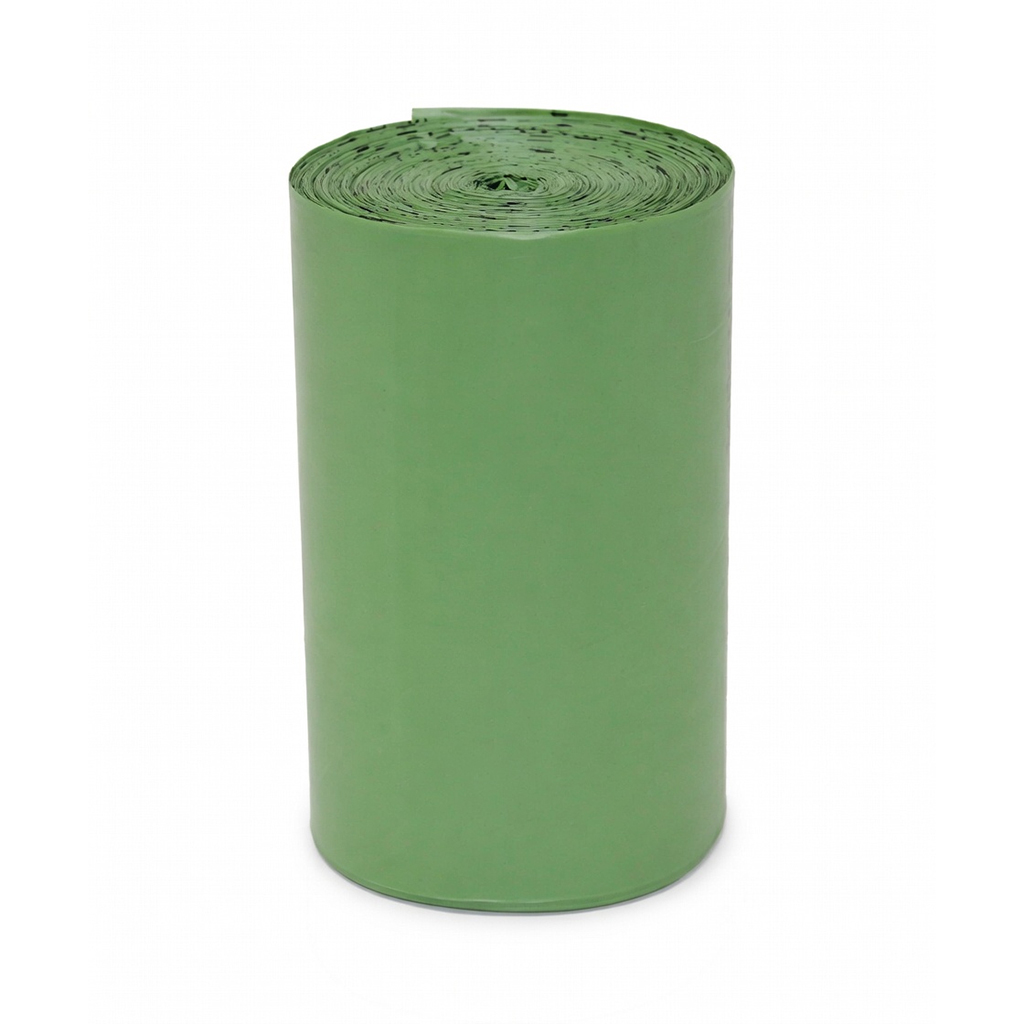
The Tall Kitchen Bag for Commercial Buyers Who Refuse to Compromise on Strength or Sustainability
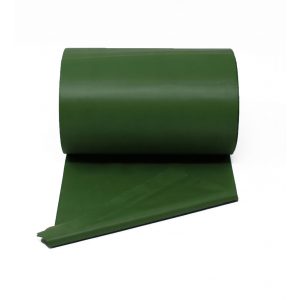
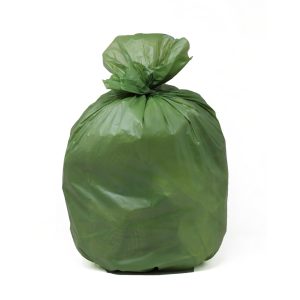
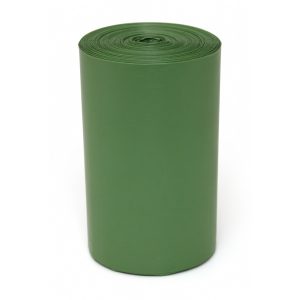
This 200-count commercial case of 13 gallon compostable trash bags delivers the most consumed bag format in the world — the tall kitchen liner — at the volume and per-unit economics that commercial operations, institutional buyers, and distributors require. Every bag in the case measures 24″ × 35.5″ (61 cm × 90 cm) with a 49.21-liter capacity, features heavy-duty 0.90 mil (23 micron) walls manufactured from plant-derived PLA (Polylactic Acid) and PBAT (Polybutylene Adipate Terephthalate), and carries dual certification under OK Compost HOME for backyard composting and EN 13432 for industrial composting facilities. The 200-count commercial case format transforms the most impactful sustainability switch — replacing the primary kitchen bag — from a retail expense into a scalable procurement decision.
SAYRU® bulk 13 gallon compostable trash bags in the 200-count commercial case combine 0.90 mil PLA/PBAT construction with dual OK Compost HOME and EN 13432 certification in the industry-standard 24″ × 35.5″ tall kitchen format, making this the procurement vehicle that enables organization-wide transitions from conventional plastic at commercially viable per-unit pricing. The 13 gallon bin is the highest-volume, most visible waste point in every kitchen — residential, commercial, and institutional. Getting this bag right at scale is the single highest-impact decision a facilities manager, distributor, or purchasing team can make.
Why the 200-Count Case Is the Right Commercial Format
200-Count Commercial Case — Scaled for Real Operations
A 50-count retail pack disappears in a week at a busy restaurant or in a few days at a mid-size hotel. That means constant reordering, inconsistent supply, and retail-level per-bag pricing that erodes margins. The 200-count commercial case consolidates four retail packs into a single procurement event — fewer purchase orders, fewer receiving touches, lower per-unit cost, and a predictable supply cadence. For a restaurant changing 10 kitchen bags per day, one case provides a 20-day supply. For a 100-unit apartment complex distributing bags to residents, one case covers nearly a month. For distributors, the 200-count case is the right granularity for B2B accounts that need more than retail but less than full-pallet quantities — the mid-volume sweet spot that drives repeat orders.
Heavy-Duty 0.90 Mil (23 Micron) Wall Construction
The 13 gallon kitchen bin handles the heaviest, wettest, most unpredictable waste stream in any facility. Raw food scraps, cooked leftovers, coffee grounds, liquid-soaked napkins, sharp bones, heavy cans, grease-saturated paper — this is the bag that takes all of it, gets filled to capacity, gets lifted by one hand, and has to make it from the kitchen to the curb without incident. Thin compostable bags fail visibly and memorably under these conditions: bottom blowouts, seam splits, slow leaks that leave a trail across the kitchen floor. At 0.90 mils (23 microns), every bag in this 200-count case carries walls engineered for this exact abuse profile — substantially heavier than the standard range for compostable liners in this size class. That thickness is the difference between a successful sustainability program and one that gets abandoned after the first week of bag failures.
PLA and PBAT — Plant-Based Performance That Matches Conventional Plastic
The material system is a deliberate dual-polymer engineering approach. PLA (Polylactic Acid) from renewable plant feedstock provides the structural backbone — puncture resistance, stiffness, and the sustained-load capacity that prevents the slow stretching and eventual tearing that plagues single-polymer compostable bags when loaded with heavy kitchen waste. PBAT (Polybutylene Adipate Terephthalate) delivers the flexibility, elongation, and impact resistance that prevents sudden catastrophic failure when the bag catches on a bin edge, is overfilled, or absorbs an impact from inside. Together, they replicate the handling characteristics of conventional HDPE tall kitchen bags — the familiar stretch, the reassuring thickness, the confidence to carry a full load — using fully compostable polymers that return to organic matter when composted.
Dual Certification — Maximum Market Coverage, Zero Compliance Gaps
The 13 gallon tall kitchen bag is the most heavily regulated bag format in composting programs because it is the primary household food waste collection vessel. Every municipality, every composting ordinance, and every government procurement RFP specifies certification requirements for this bag. These bags carry both OK Compost HOME (verified by TÜV Austria for complete biodegradation in backyard composting) and EN 13432 (the European harmonized standard requiring 90%+ biodegradation within 6 months in industrial composting, with strict heavy metal and ecotoxicity limits). Dual certification means a single SKU qualifies for every composting program and regulatory framework worldwide — home composting, curbside collection, commercial composting mandates, and EU export markets. For distributors, that translates to one product that serves every customer segment without inventory bifurcation.
24″ × 35.5″ — The Universal Tall Kitchen Fit
The 13 gallon tall kitchen can is the most standardized waste receptacle in the world. Step-cans, swing-tops, touch-free sensor bins, pedal bins, and pull-out cabinet units from every manufacturer are engineered around this exact specification. At 24″ × 35.5″ (61 cm × 90 cm), these bags fit every mainstream 13 gallon bin on the market — with the right overhang to fold securely over the rim. No compatibility confusion, no returns, no customer service calls about bags that don’t fit. For distributors and retailers, that universal fit means zero SKU complexity and zero fit-related complaints.
Fully Unscented — Clean Ingredients, Clean Compost
Many conventional tall kitchen bags rely on heavy chemical fragrances to mask kitchen odors — introducing volatile organic compounds into indoor air, triggering allergic reactions, violating fragrance-free policies, and depositing synthetic residue into the compost stream. These bags contain zero added scents or masking agents. They are safe for commercial kitchens where food contamination from fragrance is a concern, healthcare break areas governed by scent policies, childcare facilities protecting young respiratory systems, and any composting program that restricts chemical contaminants in the organic waste stream. The bag contributes nothing except organic matter when composted.
Product Specifications
| Parameter | Detail |
|---|---|
| Pack Count | 200 Bags per Commercial Case |
| Capacity | 13 Gallon (49.21 Liters) |
| Bag Dimensions | 24″ × 35.5″ (61 cm × 90 cm) |
| Wall Thickness | 0.90 Mils (23 Microns) |
| Material | PLA (Polylactic Acid) + PBAT (Polybutylene Adipate Terephthalate) |
| Material Source | Plant-derived / renewable resources |
| Scent | Unscented |
| Certifications | OK Compost HOME; EN 13432 (Industrial Composting) |
| Bin Compatibility | Fits standard 13 gallon tall kitchen bins (step-can, swing-top, sensor, pedal, pull-out) |
| Format | Bulk / Commercial Case |
| Recommended Storage | Cool, dry place; use within 12 months of purchase |
Certifications & Compliance: Procurement-Ready Documentation
OK Compost HOME — Administered by TÜV Austria, this certification verifies that each bag fully biodegrades under the lower-temperature, longer-duration conditions of a residential backyard composting system. For the 13 gallon tall kitchen bag — the bag most commonly specified in residential composting programs — OK Compost HOME is the certification that validates at-home compostability claims. In a 200-count commercial case, every bag carries this credential uniformly — no mixed-quality batches, no certification uncertainty. For distributors, retailers, and property managers sourcing bags for residential end users, this certification is the shelf-level differentiator that justifies a premium over bags with industrial-only compostability claims.
EN 13432 — The European harmonized standard for packaging recoverable through composting and biodegradation. EN 13432 imposes quantifiable, auditable performance thresholds: disintegration within 12 weeks, biodegradation of at least 90% within 6 months, strict limits on heavy metals, and verified absence of negative ecotoxicity effects on the resulting compost. For commercial buyers operating under municipal composting mandates, responding to government procurement RFPs, or exporting into EU markets, EN 13432 is the hard-line compliance credential that gates supplier qualification. This 200-count case delivers a documented, certified supply of compliant bags in a single procurement event.
Together, dual certification positions this product as defensible in every composting regulatory framework worldwide — from voluntary residential programs to mandatory commercial ordinances and EU packaging regulations — giving distributors maximum market reach and institutional buyers zero compliance risk.
Where 200-Count Cases of 13 Gallon Bags Make the Biggest Impact
The 13 gallon tall kitchen bag is the most universally consumed waste liner format in the world. A 200-count commercial case of dual-certified, 0.90 mil compostable tall kitchen bags serves every organization that operates kitchens, breakrooms, or food-service areas at scale. Below is a comprehensive breakdown by industry.
Restaurant Groups & Multi-Unit Food Service
Back-of-house kitchen waste stations in full-service restaurants, fast-casual chains, and quick-service operations use 13 gallon bins at every prep station, dish pit, line cook position, and server area. A busy kitchen can fill 8–12 tall kitchen bags per shift. At that rate, a 200-count case lasts 2–3 weeks per location — a manageable reorder cycle that central purchasing can schedule and automate. The 0.90 mil wall resists punctures from sharp bones, handles the weight of wet food waste, and prevents the mid-shift bottom blowouts that destroy staff confidence in compostable bags. Certified compostable bags enter the organic waste stream directly, keeping operations compliant with municipal composting mandates. A single certified SKU across 10, 20, or 50 restaurant locations eliminates compliance documentation chaos.
Hotels, Resorts & Hospitality Chains
Hotel kitchens, banquet prep areas, room service staging, staff cafeterias, and housekeeping operations all rely on 13 gallon bins as their primary kitchen-scale waste receptacle. A mid-size hotel can consume 30–50 tall kitchen bags daily across kitchen and housekeeping operations alone. The 200-count case provides 4–7 days of supply — a weekly delivery schedule keeps the operation stocked without overloading storage. Properties pursuing LEED, Green Key, or EarthCheck certification need certified compostable products at their highest-volume waste touchpoint — and the 13 gallon kitchen bin is exactly that. The unscented formulation avoids introducing artificial fragrance into food-prep areas, banquet halls, and guest-room corridors.
Corporate Campuses & Commercial Breakrooms
Employee kitchens, breakrooms, pantry areas, and executive dining facilities on corporate campuses use 13 gallon bins as their primary food waste receptacle. A 500-employee campus with 4 breakroom kitchens can consume 8–12 tall kitchen bags per day during the work week. The 200-count case provides a comfortable 3–4 week supply. Companies with ESG reporting commitments, zero-waste pledges, or B Corp certification need a verifiable, certified compostable liner at these high-visibility bins — the places where employees actually see and interact with the waste system daily. The 13 gallon format is instantly recognizable from home kitchens, requiring zero behavior change or training.
Schools, Universities & Institutional Dining
Cafeteria kitchens, dining hall waste stations, faculty lounges, and food-prep facilities across K-12 school districts and university systems use 13 gallon bins as the primary kitchen waste receptacle. During peak service, these bins fill at extreme rates — a university dining hall serving 2,000 lunches can go through 15–20 tall kitchen bags in a single service window. The 200-count case provides roughly 10–14 days of cafeteria supply, aligning with institutional delivery schedules. The 0.90 mil wall survives the heavy, wet abuse that cafeteria waste produces — tray scraps, liquid runoff, dense food loads — in environments where students, not trained janitorial professionals, are often handling the bags. Plant-based PLA/PBAT composition satisfies institutional procurement policies that mandate bio-based products.
Healthcare Systems — Cafeterias, Staff Areas & Patient Services
Hospital cafeterias, physician lounges, staff breakrooms, patient meal service areas, and administrative kitchens all deploy 13 gallon bins for non-medical food and general waste. A 300-bed hospital campus with multiple food-service touchpoints can consume 40+ tall kitchen bags daily. Healthcare systems purchasing at this volume need commercial case quantities that arrive predictably and store efficiently on hospital loading docks. The unscented formulation is essential — fragrance policies in healthcare environments are strictly enforced. Switching food-service liners to certified compostable bags is one of the highest-visibility sustainability improvements hospital facilities teams can implement without disrupting clinical waste protocols.
Catering Companies & Event Food Service
Commercial catering operations use 13 gallon bins at every prep station, plating line, and serving area. During a large event — a 300-person gala, a multi-day corporate conference, a wedding weekend — a catering company can consume 30–50 tall kitchen bags across prep, service, and breakdown. The 200-count case provides enough bags for 4–6 major events, creating a predictable inventory cycle. The 0.90 mil construction handles the weight and moisture of bulk food waste from high-volume plating operations. For caterers serving venues with composting mandates — increasingly standard for upscale event spaces, corporate conference centers, and outdoor venues — certified compostable bags are a contractual participation requirement.
Property Management & Multi-Family Housing
Apartment complexes, condominiums, and managed residential communities operating building-wide organics programs supply certified compostable kitchen bags to residents. The 13 gallon format matches the standard kitchen trash can in virtually every apartment unit. In a 200-unit building where each unit needs one tall kitchen bag per week, the 200-count case covers exactly one month of distribution — an elegant alignment between case size and distribution cycle. Dual OK Compost HOME / EN 13432 certification serves both residents composting at home and those using municipal curbside pickup, eliminating the need for separate bag types.
Municipal Government & Public Distribution Programs
Cities and counties offering curbside organics collection need certified compostable tall kitchen bags at the volume that 200-count cases provide. Municipal bag distribution programs — free bags at community events, subsidized bags through utility billing, bags sold at city facilities — require commercial case quantities with full certification documentation. The 13 gallon format matches the standard municipal kitchen collection bin. Government procurement RFPs typically mandate EN 13432 or equivalent certification. OK Compost HOME certification expands eligibility for programs serving mixed composting pathways. The 200-count case is the right granularity for municipal distribution: large enough for efficient procurement, manageable enough for community-event distribution.
Grocery Chains & Prepared Foods Operations
Behind-the-counter waste at deli departments, bakery stations, salad bars, sushi counters, and hot food bars produces heavy, rapidly accumulating refuse that 13 gallon bins handle throughout operating hours. A grocery chain with 40+ locations standardizing on one certified compostable tall kitchen SKU can distribute 200-count cases from central distribution to each store and track sustainability compliance across the network with a single product line. The 0.90 mil tear resistance handles meat trimmings, bakery waste, and produce culls. Customer-facing use of compostable bags reinforces the grocer’s sustainability brand where consumer perception is strongest — at the point of purchase.
Ghost Kitchens, Meal Prep & Food Manufacturing
High-volume ghost kitchens, centralized meal-prep facilities, and small-scale food manufacturers use 13 gallon bins at every portioning, trimming, plating, and packaging station. These bins are changed multiple times per shift during peak production. The 200-count case keeps the supply room stocked through weekly production cycles without emergency reorders. For facilities operating under sustainability requirements from delivery platform partnerships, retailer specifications, or third-party food safety certifications, certified compostable waste management is a contractual obligation — and the commercial case format provides the purchasing documentation auditors require.
Food Trucks & Mobile Kitchen Operations
The 13 gallon bin is the largest practical waste receptacle inside a food truck or mobile kitchen trailer. During high-volume service days at festivals, farmers’ markets, and lunch routes, these bins fill rapidly with dense prep waste. A leaking bag inside a food truck is both a slip-and-fall hazard and a health code violation. The 0.90 mil wall prevents the leaks that thinner bags allow. Buying 200 at a time keeps the commissary stocked — truck operators pull bags for each service day rather than making emergency retail purchases at inflated prices. Certified compostable bags are mandatory for vendors at eco-conscious markets and zero-waste events.
Outdoor Events, Festivals & Convention Centers
Vendor food courts, backstage catering areas, VIP hospitality zones, and behind-the-scenes production kitchens at festivals, concerts, trade shows, and conventions use 13 gallon bins as the primary kitchen-scale waste receptacle. Many event permits now require composting compliance. The 200-count case supplies an entire zone’s kitchen-area bins for a multi-day event, eliminating mid-event supply runs that compromise waste diversion rates. Dual certification ensures compliance regardless of the event’s composting partner — industrial facility or community-scale operation.
Fitness Centers, Recreation Facilities & Country Clubs
Kitchen areas at smoothie bars, juice bars, club dining rooms, poolside food service, and staff breakrooms at fitness facilities, recreation centers, and country clubs all use 13 gallon bins. These venues increasingly market sustainability as part of their membership value proposition. Switching to certified compostable kitchen bags is a visible proof point that members notice and appreciate — especially in food-service areas where the bag is in direct view. The 200-count case provides a multi-month supply for facilities with moderate kitchen throughput, fitting cleanly into quarterly procurement cycles.
Replacing Conventional Plastic at the Point of Greatest Impact
The 13 gallon tall kitchen bag is the single most consumed trash bag format globally. Hundreds of millions of conventional polyethylene tall kitchen bags enter landfills annually, where they persist for centuries and fragment into microplastics that contaminate soil and waterways. Replacing this one bag — at scale, with a certified compostable alternative — delivers an outsized environmental return precisely because of the sheer volume involved.
These compostable bags are manufactured from plant-derived PLA and PBAT, not petroleum, and break down completely into carbon dioxide, water, and organic biomass when composted under the conditions specified by their OK Compost HOME and EN 13432 certifications. For commercial operations navigating single-use plastic bans, extended producer responsibility (EPR) legislation, or voluntary sustainability commitments, switching the highest-volume bag format to compostable is the most impactful and operationally simple sustainability action available. No new bins, no new infrastructure, no staff retraining — swap the bag and document the impact.
The 200-count commercial case format makes this transition economically viable at scale. Per-bag costs drop significantly compared to retail 50-count packs, and the consolidated case format reduces packaging waste from the procurement process itself. The 0.90 mil (23 micron) wall thickness ensures this environmental upgrade carries zero performance compromise — these bags match the tensile strength, puncture resistance, and load capacity of the conventional polyethylene tall kitchen bags they replace.
Storage & Handling for Commercial Inventory
Proper storage is essential to maintain full performance across the 12-month shelf life of these plant-based bags. Store cases in a cool, dry environment away from direct sunlight, heating vents, steam lines, and areas with high ambient humidity. Use pallets or shelving — avoid stacking cases directly on concrete floors in unclimate-controlled warehouses. A first-in, first-out (FIFO) stock rotation ensures each bag performs at full specification when deployed. For operations maintaining standing inventory across multiple sites, coordinate delivery schedules with consumption rates to ensure no cases exceed the 12-month recommended use window.
Frequently Asked Questions
How many bags come in each commercial case?
Each commercial case contains 200 compostable tall kitchen bags in the 13 gallon size. This bulk format is designed for commercial kitchens, institutional buyers, property managers, distributors, and any operation that consumes tall kitchen liners at volume and needs to reduce reorder frequency and per-unit cost.
Are these bags identical to the 50-count retail packs?
Yes. Every bag in the 200-count commercial case is identical in specification to the smaller retail packs: 13 gallon capacity, 24″ × 35.5″ dimensions, 0.90 mil (23 micron) wall thickness, PLA/PBAT plant-based material, unscented, and dual-certified under OK Compost HOME and EN 13432. The only difference is the case quantity and the per-unit economics that bulk purchasing enables.
What certifications do these 13 gallon bags carry?
Each bag holds two independent compostability certifications. OK Compost HOME, administered by TÜV Austria, verifies biodegradation under home composting conditions at lower temperatures. EN 13432, the European harmonized standard for industrial composting, requires at least 90% biodegradation within 6 months with strict limits on ecotoxicity and heavy metals. Dual certification qualifies the bags for both residential and industrial composting pathways.
Will these bags fit standard 13 gallon kitchen trash cans?
Yes. At 24″ × 35.5″ (61 cm × 90 cm) with a 49.21-liter capacity, these bags are sized to fit every mainstream 13 gallon tall kitchen bin — step-cans, swing-tops, sensor-activated lids, pedal bins, and pull-out cabinet-mounted units. This is the universal tall kitchen bag format.
How thick are these bags compared to conventional plastic kitchen bags?
Each bag features 0.90 mil (23 micron) wall thickness, which is in line with standard-thickness conventional polyethylene kitchen bags and significantly heavier than the 0.50–0.70 mil range common in competing compostable tall kitchen bags. The extra thickness handles heavy, wet kitchen waste without tearing, leaking, or requiring double-bagging.
What are these bags made from?
The bags are manufactured from a blend of PLA (Polylactic Acid), derived from renewable plant sources, and PBAT (Polybutylene Adipate Terephthalate). PLA provides rigidity and puncture resistance. PBAT provides flexibility and tear resistance. Together they deliver performance comparable to conventional HDPE kitchen bags while remaining fully compostable under the conditions specified by the product’s certifications.
How long can we store a case before the bags degrade?
For optimal tear strength and flexibility, use bags within 12 months of purchase. Store cases in a cool, dry location away from direct sunlight, heat sources, and humidity. First-in, first-out (FIFO) inventory rotation is recommended for operations maintaining ongoing stock.
Are these accepted in municipal curbside composting programs?
These bags meet the EN 13432 standard, which is widely recognized by industrial composting facilities that process curbside organics. They also carry OK Compost HOME certification for residential composting. However, individual municipal programs set their own acceptance policies. Verify with your local program that certified compostable bags are accepted before including them in curbside organics collection.
Can these bags handle heavy kitchen waste without tearing?
Yes. The 0.90 mil wall thickness is specifically engineered for the heaviest residential and commercial kitchen waste loads — food scraps, coffee grounds, bones, wet paper towels, liquid runoff, and mixed refuse. The PLA/PBAT material blend provides comparable stretch, puncture resistance, and load capacity to conventional polyethylene kitchen bags, eliminating double-bagging.
Is the 200-count format suitable for distributors and wholesale buyers?
Yes. The 200-count commercial case is designed for the B2B channel — distributors, wholesalers, institutional purchasing departments, and property management companies. The case size supports competitive wholesale margin structures, the dual certification provides broad market appeal across residential and commercial customers, and the standardized case format is warehouse-friendly and palletizable. Contact SAYRU® for factory-direct distributor pricing, private-label options, and custom case configurations.