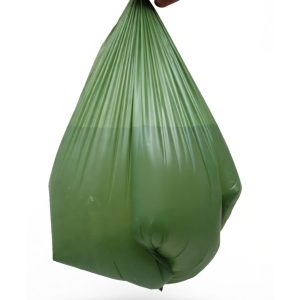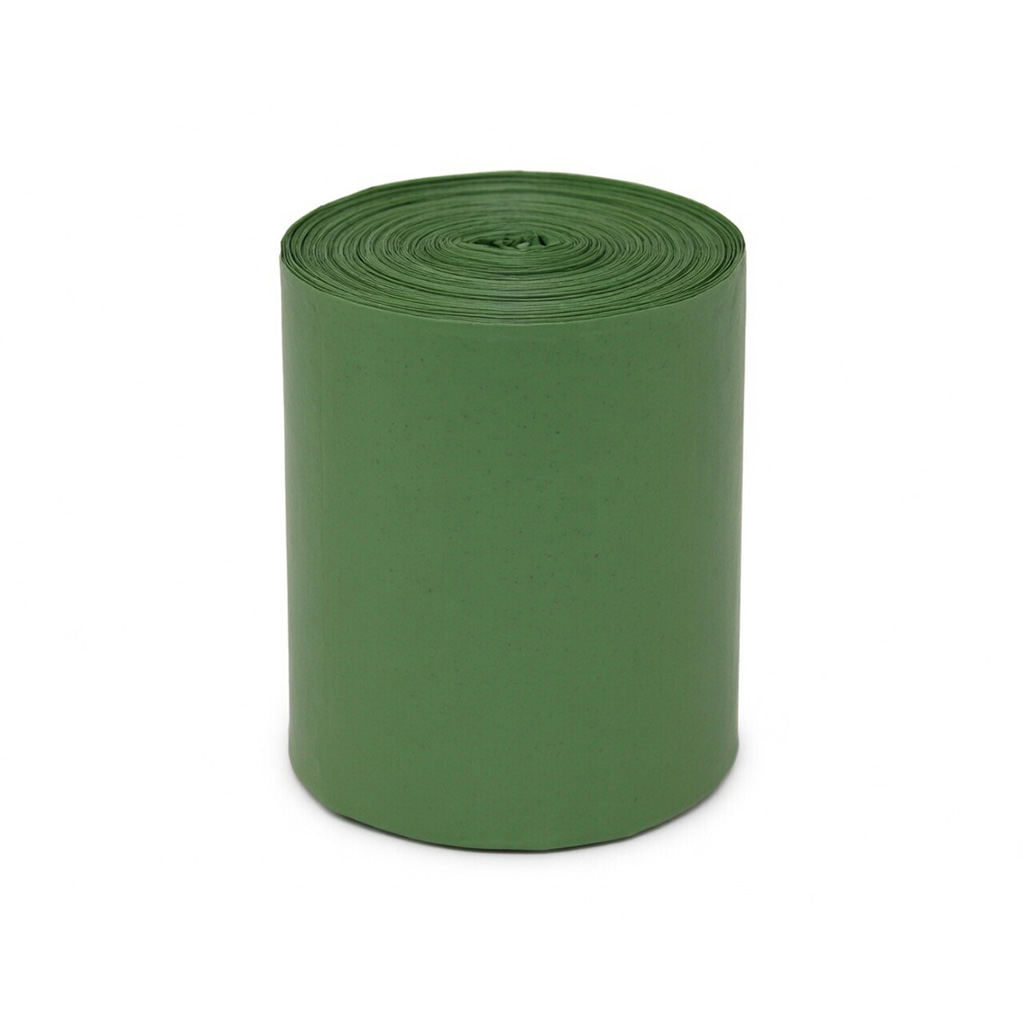
High-Volume Compostable Waste Bags Engineered for Commercial Operations
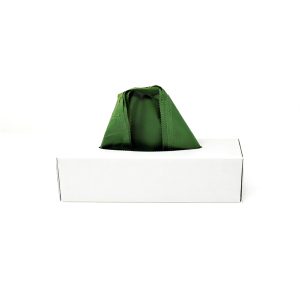
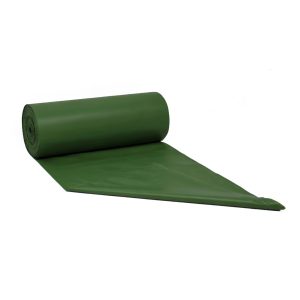
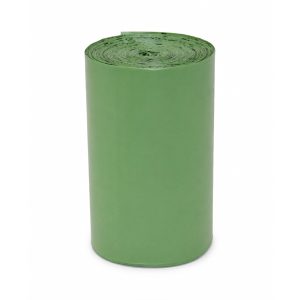
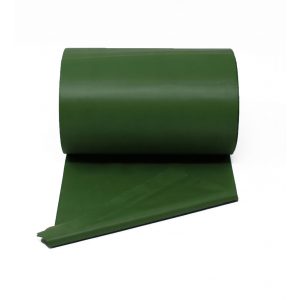
This 800-count commercial case of 2.6 gallon compostable trash bags gives facilities managers, distributors, and procurement teams a single bulk SKU that covers months of small-bin waste collection across an entire operation — without reordering every few weeks. Each bag in the case is manufactured from plant-derived PLA (Polylactic Acid) and PBAT (Polybutylene Adipate Terephthalate), measures 16.2″ × 16.9″ (41 cm × 43 cm), and features extra-thick 0.70 mil (18 micron) walls that resist tearing and leaking under heavy, wet loads. Every bag carries dual certification: OK Compost HOME for backyard composting systems and EN 13432 for industrial composting facilities.
SAYRU® bulk compostable trash bags in the 800-count commercial case format deliver 0.70 mil PLA/PBAT construction with OK Compost HOME and EN 13432 dual certification at a per-unit cost that makes large-scale sustainability transitions financially viable. For organizations replacing conventional plastic liners across dozens or hundreds of small bins — office wastebaskets, hotel bathroom bins, cafeteria composting stations, healthcare patient rooms — the 800-count case format eliminates the logistics headache of constant restocking and dramatically reduces per-bag procurement costs compared to retail-sized packs.
Why Bulk Matters: Features That Scale With Your Operation
800-Count Commercial Case Format
Retail packs of 50 or 100 bags burn through fast when you are servicing an entire building or multi-location operation. Ordering in 800-count commercial cases fundamentally changes the math: fewer purchase orders, fewer deliveries, lower per-unit costs, and less warehouse churn. A single case can supply 20 desk-side bins changed twice weekly for an entire 5-month cycle — or keep a busy restaurant’s countertop compost stations stocked for months. For distributors building private-label compostable product lines, this bulk format is the foundation for competitive wholesale pricing.
Extra-Thick 0.70 Mil (18 Micron) Wall Construction
Compostable bags have earned a reputation for being fragile — and that reputation was built on thin, poorly engineered products. At 0.70 mils (18 microns), every bag in this case delivers measurably thicker walls than many competing compostable alternatives in this size class. That thickness translates directly into fewer mid-carry blowouts, no double-bagging workarounds, and far less cleanup time for janitorial staff. Whether the waste stream is soggy coffee grounds, fruit peel, or general desk refuse, these bags perform under the kind of real-world abuse that matters in a commercial environment — not just controlled lab conditions.
Plant-Based PLA and PBAT Polymer Blend
The material composition is a deliberate dual-polymer system: PLA (Polylactic Acid) sourced from renewable plant feedstock provides structural rigidity, while PBAT (Polybutylene Adipate Terephthalate) delivers the flexibility and elongation that prevent premature tearing. This is the same engineering logic behind high-performance conventional plastic films — applied to a fully compostable material. For procurement teams that have heard pushback from janitorial staff about flimsy “green” bags, the PLA/PBAT blend is the answer: it handles, stretches, and holds like a traditional plastic liner, but breaks down completely when composted.
Dual Compostability Certification — Maximum Market Coverage
Navigating composting certification requirements across different municipalities and customer types is a genuine procurement challenge. These bags eliminate that complexity by carrying two certifications simultaneously. OK Compost HOME certifies performance in lower-temperature backyard composting systems. EN 13432 certifies compliance with the European harmonized standard for industrial composting. Whether your end customer drops the bag in a backyard tumbler or a municipal curbside organics bin headed to an industrial facility, the certification is already in place. One SKU, both pathways, full compliance.
Versatile Fit for Any Small-Bin Format
Commercial environments rarely standardize on a single bin design. Office floors have round wastebaskets, restrooms have rectangular step-cans, kitchen stations have square countertop bins. At 16.2″ × 16.9″ and a 2.6 gallon capacity, these bags are proportioned to drape cleanly over the rims of virtually all 2- to 3-gallon bin shapes without excessive overhang or the frustrating inward-sliding that wastes bags and creates a mess. That universal compatibility means your facilities team stocks one liner SKU instead of three — simplifying purchasing, training, and inventory.
Completely Unscented — Zero Chemical Fragrance
Fragranced waste bags are a liability in commercial settings: they can trigger allergic reactions, violate workplace fragrance-free policies, and contaminate food-preparation environments. These bags contain no added scents, perfumes, or chemical masking agents whatsoever. They are safe for healthcare environments with scent-sensitive patients, food-service operations where odor transfer is a concern, and corporate offices governed by indoor air quality standards. Unscented also means no chemical residue enters the compost stream.
Product Specifications
| Parameter | Detail |
|---|---|
| Pack Count | 800 Bags per Commercial Case |
| Capacity | 2.6 Gallon (9.84 Liters) |
| Bag Dimensions | 16.2″ × 16.9″ (41 cm × 43 cm) |
| Wall Thickness | 0.70 Mils (18 Microns) |
| Material | PLA (Polylactic Acid) + PBAT (Polybutylene Adipate Terephthalate) |
| Material Source | Plant-derived / renewable resources |
| Scent | Unscented |
| Certifications | OK Compost HOME; EN 13432 (Industrial Composting) |
| Bin Compatibility | Fits various 2–3 gallon bin shapes |
| Format | Bulk / Commercial Case |
| Recommended Storage | Cool, dry place; use within 12 months of purchase |
Certifications & Compliance: What They Mean for Bulk Buyers
OK Compost HOME — Administered by TÜV Austria, this certification verifies that each bag fully biodegrades under the lower-temperature, longer-duration conditions of a home composting system. For distributors serving residential customers, property management companies supplying tenant composting programs, or retailers marketing to eco-conscious homeowners, OK Compost HOME certification is the credential that validates at-home compostability claims. In an 800-count case, every single bag carries this certification — no mixed-quality batches.
EN 13432 — The European harmonized standard for packaging recoverable through composting and biodegradation. EN 13432 mandates verifiable thresholds: disintegration within 12 weeks, biodegradation of at least 90% within 6 months, strict limits on heavy metals, and no negative ecotoxicity effects on the resulting compost. For commercial buyers operating in jurisdictions with mandatory composting legislation — or exporting into the EU market — EN 13432 compliance is frequently a hard-line procurement requirement. This bulk case gives you 800 units of verified compliance in a single shipment.
Dual certification across both standards ensures your product is defensible in any composting regulatory environment worldwide, maximizing market reach for distributors and minimizing compliance risk for end users.
Where 800-Count Cases Make the Biggest Impact: Applications by Industry
An 800-count commercial case of certified compostable 2.6 gallon bags is purpose-built for organizations that consume small waste liners at scale. Below is a comprehensive breakdown of the industries and scenarios where this bulk format solves documented operational challenges.
Multi-Unit Hospitality — Hotels, Resorts & Vacation Rentals
A 200-room hotel changes guest-room wastebasket liners daily — that is 200 bags per day, or 1,400 per week. Retail packs run out in days. An 800-count case covers nearly four full days of hotel-wide liner changes in a single box, reducing stockroom clutter and purchase order frequency. For properties pursuing green hospitality certifications (LEED, Green Key, EarthCheck), switching every guest-room and bathroom bin to certified compostable liners provides auditable documentation for sustainability reporting. The unscented formulation is essential — perfumed bags in guest rooms generate complaints, not compliments.
Restaurant Groups & Multi-Location Food Service
Quick-service chains, fast-casual groups, and multi-unit restaurant operators need a standardized small-bag SKU that works across all locations. Countertop compost bins in prep stations, behind espresso bars, and at bussing stations generate constant small-volume food waste — vegetable trimmings, coffee grounds, tea bags, napkins. Conventional plastic liners contaminate the organic waste stream, forcing composting facilities to reject entire loads. These certified compostable bags enter the compost directly with their contents. At 800 bags per case, a central purchasing team can allocate cases across locations with one order instead of managing dozens of small-pack reorders.
Corporate Offices, Business Parks & Co-Working Spaces
A typical corporate floor has 40–60 desk-side wastebaskets plus breakroom and restroom bins — each requiring a liner change at least once or twice weekly. For a multi-floor headquarters or multi-tenant business park, monthly consumption easily reaches into the hundreds. The 800-count case matches that consumption cycle, providing 2–4 months of supply per order. Companies with ESG reporting requirements, zero-waste goals, or B Corp certification need verifiable, certified compostable products at every waste point — and the bulk case format produces a single line item on the sustainability audit, not a patchwork of retail receipts.
Schools, Universities & Institutional Dining
K-12 school districts and university dining halls operating composting programs rely on small countertop collection bins where students deposit food scraps. Bags need to be strong enough to hold wet cafeteria waste without tearing when student workers carry them to collection points, and certified compostable so they do not contaminate the school’s organic diversion program. At the district or university system level, procurement is centralized — and an 800-count case provides the volume efficiency that institutional purchasing departments require. The plant-based PLA/PBAT material aligns with institutional procurement policies that increasingly mandate bio-based products over petroleum-derived alternatives.
Healthcare Systems & Senior Living Networks
Hospital patient rooms, nursing stations, waiting areas, and examination rooms each have small waste bins for non-medical general waste — food trays, packaging, tissue, beverage containers. In a 300-bed facility, that is hundreds of liner changes per day. Healthcare systems purchasing at this scale need bulk-format supply that arrives on a pallet, not a shelf. Fragrance-free is not optional — it is typically mandated by patient care policy. These unscented compostable bags satisfy both sustainability initiatives and infection-control environmental standards without introducing chemical fragrance into clinical spaces.
Property Management & Multi-Family Housing
Property management companies overseeing apartment complexes, condominiums, and HOA-managed communities increasingly supply compostable liners to residents as part of building-wide organics collection programs. An 800-count case provides enough bags to serve dozens of units for weeks, and the dual OK Compost HOME / EN 13432 certification covers both residents who compost at home and those who participate in municipal curbside pickup. For property managers, distributing a single certified product eliminates confusion and ensures compliance across the entire property.
Municipal & Government Composting Programs
Cities and counties that offer curbside organics collection need enormous volumes of certified compostable bags to distribute to residents or sell through municipal channels. The 800-count commercial case is the procurement-friendly format these programs require — standardized, palletizable, and accompanied by dual certification documentation for both home and industrial composting pathways. Public procurement processes demand verifiable compliance credentials, and EN 13432 plus OK Compost HOME certification satisfies the documentation requirements of government RFPs and purchasing contracts.
Airline & Transportation Catering Operations
In-flight catering operations generate massive volumes of small-bag waste from galley service, seat-back collection, and meal prep. Airlines under pressure to eliminate single-use cabin plastics are sourcing compostable alternatives at commercial scale. The 2.6 gallon format is ideal for galley prep bins and seat-row collection, and the 0.70 mil construction prevents in-flight leaks from beverage-soaked napkins and food remnants — a critical requirement in pressurized cabin environments. At 800 bags per case, a single airline catering hub can stock efficiently without micro-managing reorders across dozens of flight routes.
Large-Scale Events, Festivals & Convention Centers
Multi-day festivals, trade shows, concerts, and convention center events deploy hundreds of small waste stations across vendor areas, concourse floors, and backstage zones. Many event venues and municipalities now mandate zero-waste or composting compliance for event permits. The 800-count case provides enough bags to supply an entire event’s small-bin infrastructure from a single case allocation — eliminating mid-event supply runs. Dual certification ensures compliance regardless of whether the event’s composting partner operates an industrial facility or a smaller community composting operation.
Food Trucks, Pop-Ups & Mobile Food Operations
High-volume food truck operators working multiple events per week go through small waste bags rapidly in their tight onboard workspace. Buying 800 at a time means the supply lives in the commissary and gets pulled by the roll for each service day — no emergency retail purchases at inflated prices. The 0.70 mil wall prevents leaks that can damage truck interiors or create slip hazards. For vendors at eco-conscious farmers’ markets and sustainability-themed events, certified compostable bags are frequently a mandatory vendor participation requirement.
Ghost Kitchens & High-Volume Meal Prep Facilities
Ghost kitchens and centralized meal-prep operations produce dense food waste from portioning, trimming, and plating across multiple brand concepts in a single facility. Countertop bins are changed constantly during peak prep windows. At 800 bags per case, the supply keeps pace with the production schedule rather than interrupting it. For facilities operating under sustainability-linked delivery platform partnerships or third-party brand standards, certified compostable waste management is increasingly contractually required — and the bulk case format simplifies compliance documentation.
Grocery Chains & Prepared Foods Operations
Behind-the-counter waste at deli slicers, salad bars, bakery counters, and hot food stations generates heavy, wet refuse that fills small bags quickly. A grocery chain with 50+ locations can standardize on a single 800-count SKU, distribute cases to each store from a central warehouse, and track compliance across the entire network. The tear-resistant 0.70 mil construction handles the heavier wet waste these stations generate, and visible use of compostable bags in customer-facing areas reinforces the grocer’s sustainability brand.
Stadium, Arena & Venue Concessions
Concession stands at professional sports venues, concert halls, and performing arts centers produce rapid-turnover small waste during events. Stadiums pursuing LEED certification or Green Sports Alliance membership need compostable waste infrastructure at every concession point. A single 800-count case can supply all behind-counter bins at multiple concession stands for an entire game day, simplifying pre-event logistics and ensuring that every point of sale maintains composting compliance throughout the event.
The Sustainability Advantage Over Conventional Plastic Liners
Traditional polyethylene trash bags are manufactured from fossil-fuel-derived polymers and persist in landfills for hundreds of years, contributing to microplastic pollution in soil and waterways long after disposal. These compostable bags represent a fundamentally different end-of-life pathway: made from plant-derived PLA and PBAT, they are designed to break down completely into carbon dioxide, water, and organic biomass when composted under the conditions specified by their OK Compost HOME and EN 13432 certifications.
For commercial operations navigating single-use plastic bans, extended producer responsibility (EPR) regulations, or voluntary sustainability commitments, switching to certified compostable liners across all small-bin waste points is one of the highest-visibility, lowest-friction sustainability improvements available. Unlike energy system overhauls or building retrofits, the switch is immediate — swap the bag, maintain the documentation, report the impact. The 800-count commercial case format makes that transition economically practical at scale: the per-bag cost drops significantly compared to retail packs, and the bulk format reduces packaging waste from the procurement process itself.
Unlike conventional bags, these compostable alternatives leave no persistent microplastics or toxic residues when properly composted. The 0.70 mil wall thickness ensures this environmental advantage does not come at the expense of daily performance — these bags resist the same punctures, carry the same loads, and fit the same bins as their petroleum-based counterparts.
Storage & Handling for Bulk Inventory
Because these bags are engineered from plant-based materials designed to biodegrade, proper warehouse and stockroom storage is essential to maintain full performance throughout the shelf life. Store cases in a cool, dry environment away from direct sunlight, heating vents, and moisture sources. Avoid stacking cases directly on concrete floors in unclimate-controlled warehouses — use pallets or shelving. Use within 12 months of purchase for optimal tear strength and flexibility. Rotating stock on a first-in, first-out (FIFO) basis is recommended for operations maintaining ongoing bulk inventory.
Frequently Asked Questions
How many bags come in each commercial case?
Each commercial case contains 800 compostable trash bags. This bulk format is designed for commercial operations, institutional buyers, property managers, and distributors who consume small waste liners at high volume and need to minimize reorder frequency and per-unit cost.
Are these bulk bags the same quality as retail-count packs?
Yes. Every bag in the 800-count commercial case is identical in specification to smaller retail packs: 2.6 gallon capacity, 16.2″ × 16.9″ dimensions, 0.70 mil (18 micron) wall thickness, PLA/PBAT plant-based material, unscented, and dual-certified under OK Compost HOME and EN 13432. The only difference is the case quantity.
What certifications do these compostable bags carry?
Each bag carries two independent certifications. OK Compost HOME verifies that the bag biodegrades under home composting conditions — lower temperatures and longer timeframes. EN 13432 verifies performance in industrial composting facilities, requiring at least 90% biodegradation within 6 months and strict limits on ecotoxicity and heavy metals. Together, these certifications qualify the bags for virtually every composting pathway.
What materials are these bags made from?
The bags are manufactured from a blend of PLA (Polylactic Acid), which is derived from renewable plant sources, and PBAT (Polybutylene Adipate Terephthalate). PLA provides structural rigidity while PBAT contributes the flexibility and elongation needed to resist tearing under load. Both polymers are compostable under the conditions specified by the product’s certifications.
What size bins do these bags fit?
At 16.2″ × 16.9″ with a 2.6 gallon (9.84 liter) capacity, these bags fit a wide range of small bin shapes — round, square, and rectangular. They are suitable for desk-side wastebaskets, bathroom bins, countertop compost collectors, hotel guest-room bins, and other compact waste receptacles in the 2–3 gallon range.
How long can we store a bulk case before the bags degrade?
For optimal performance, use bags within 12 months of purchase. Store cases in a cool, dry location away from direct sunlight, heat sources, and humidity. Because the bags are made from biodegradable plant-based materials, prolonged exposure to heat or moisture can initiate premature decomposition, reducing tear strength and flexibility. A first-in, first-out (FIFO) inventory approach is recommended for organizations maintaining ongoing stock.
Are these bags accepted in municipal composting programs?
These bags meet the EN 13432 standard, which is widely recognized by industrial composting facilities. They also carry the OK Compost HOME certification for at-home composting. However, individual municipal programs and composting operators set their own acceptance policies. Always verify with your local program that certified compostable bags are accepted before including them in curbside organics collection.
Can these bags replace conventional plastic liners without performance trade-offs?
Yes. With 0.70 mil wall thickness, 2.6 gallon capacity, and universal bin compatibility, these bags function as a direct drop-in replacement for conventional polyethylene liners in the same size range. The PLA/PBAT material blend provides comparable stretch, puncture resistance, and load-bearing performance. The difference is environmental: when properly composted, these bags decompose into organic matter instead of persisting as plastic waste for centuries.
Do these bags have any fragrance or scent?
No. These bags are completely unscented — no added perfumes, fragrances, or chemical masking agents. This makes them appropriate for fragrance-sensitive environments including healthcare facilities, corporate offices with scent-free policies, food-service areas, and any setting where artificial odors are undesirable or policy-prohibited.
Is this bulk format suitable for distributor or reseller purchasing?
Absolutely. The 800-count commercial case is specifically designed for the distribution channel. Its high unit count supports competitive wholesale margin structures, the dual certification provides broad market appeal across residential and commercial end users, and the standardized case format is easy to warehouse, palletize, and ship. Contact SAYRU® directly for factory-direct distributor pricing and custom private-label options.