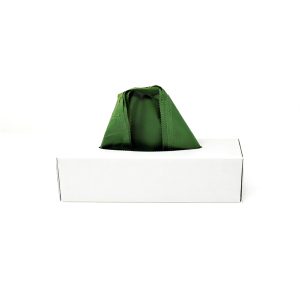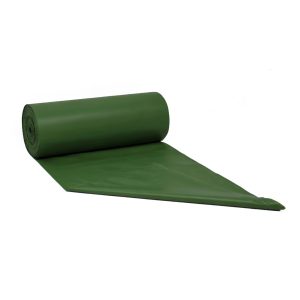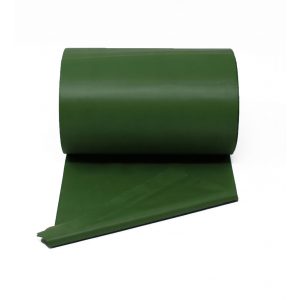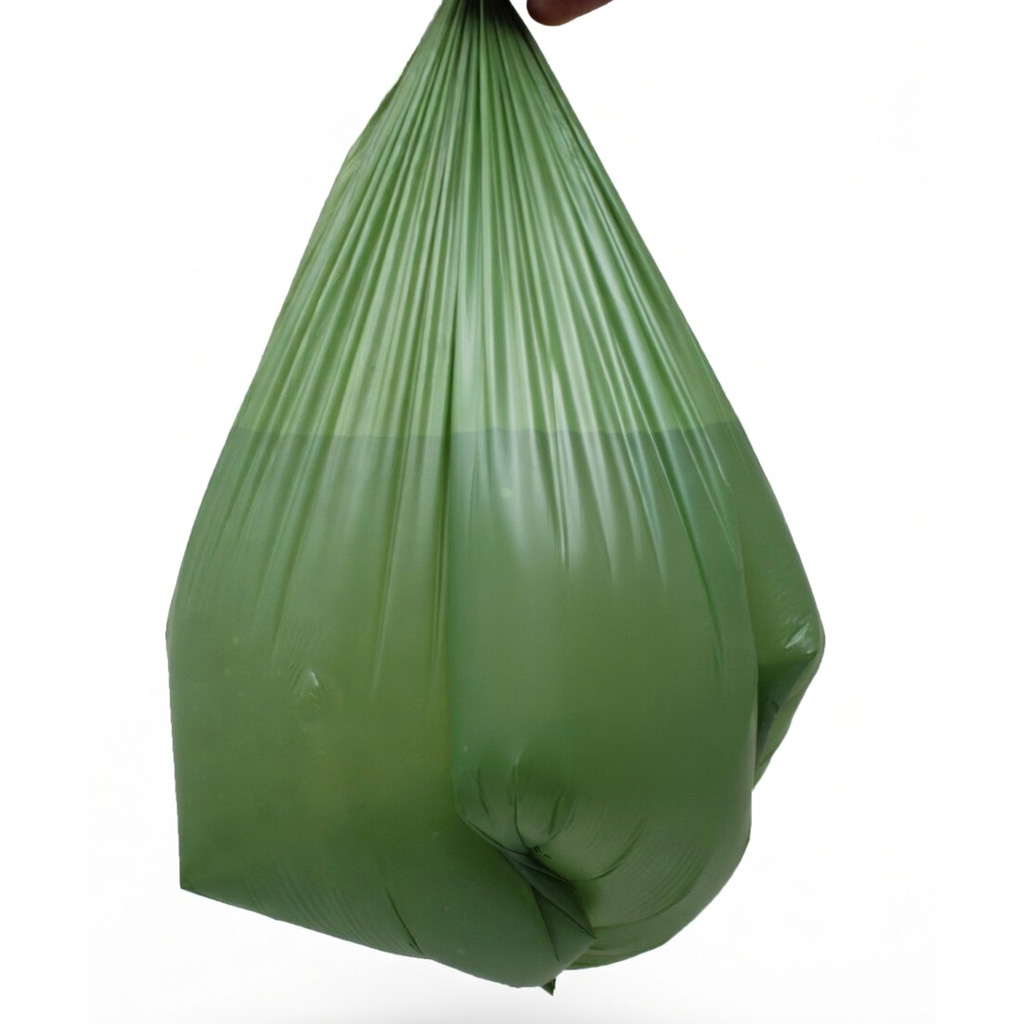
The Smarter Small-Capacity Waste Bag for Sustainability-Focused Businesses
These 2.6 gallon compostable trash bags deliver the tear resistance and leak protection your operation demands — without the environmental footprint of conventional plastic. Built from a proprietary blend of PLA (Polylactic Acid) sourced from renewable plants and PBAT (Polybutylene Adipate Terephthalate), each bag measures 16.2″ × 16.9″ (41 cm × 43 cm) with an extra-thick 0.70 mil (18 micron) wall that outperforms standard compostable alternatives. Dual-certified under the OK Compost HOME standard for backyard composting and the EN 13432 standard for industrial composting facilities, these bags are engineered to break down fully in the appropriate composting environment — so your waste stream stays compliant and your brand stays credible.
SAYRU® compostable trash bags at 2.6 gallon capacity combine 0.70 mil PLA/PBAT construction with dual OK Compost HOME and EN 13432 certification, making them one of the most robust small-format compostable waste bags available for commercial and residential use. Whether you are outfitting countertop bins in a restaurant kitchen, lining wastebaskets in hotel guest rooms, or supplying municipal composting programs with certified collection bags, this product checks every box — from tensile strength to regulatory compliance.
Built to Perform: Features That Solve Real Operational Problems
Extra-Thick 0.70 Mil (18 Micron) Construction
Thin bags that tear mid-carry or leak onto floors are one of the most common complaints in commercial waste management. At 0.70 mils (18 microns), these bags are engineered with meaningfully thicker walls than many competing compostable options. That extra thickness translates directly into fewer blowouts, fewer double-bag workarounds, and less staff time spent cleaning up messes. Whether handling damp food scraps, coffee grounds, or general desk waste, the reinforced construction holds up under real-world conditions — not just in a controlled test environment.
Plant-Derived PLA and PBAT Material Blend
Every bag is manufactured from PLA (Polylactic Acid) derived from renewable plant sources combined with PBAT (Polybutylene Adipate Terephthalate). PLA provides stiffness and structural integrity while PBAT contributes the flexibility and tear resistance that plant-based bags have historically lacked. The result is a compostable bag that actually feels and performs like a conventional plastic bag — without being one. For procurement teams fielding complaints about flimsy “eco” bags, this material blend directly addresses the durability gap that has slowed adoption of compostable alternatives in commercial settings.
Dual Compostability Certification — Home and Industrial
Certification confusion is a real barrier for businesses trying to comply with local composting regulations. These bags carry two distinct certifications: OK Compost HOME, confirming they break down effectively in backyard and small-scale composting systems, and EN 13432, the European standard verifying performance in industrial composting facilities. This dual certification gives distributors and end users maximum flexibility — the same SKU works whether your customers compost at home or participate in a municipal curbside organics program.
Universal Bin Fit Across Shapes and Sizes
Small bins come in round, square, rectangular, and novelty shapes — and a bag that fits one poorly often slides down, bunches at the bottom, or exposes the rim. At 16.2″ × 16.9″, these bags are proportioned to drape securely over a wide range of 2- to 3-gallon bin designs without excessive overhang or wasted material. That universal fit means fewer SKUs in your inventory and less guesswork for end users trying to match bags to bins.
Completely Unscented — No Chemical Fragrance Masking
Artificial fragrances in waste bags are a dealbreaker for many commercial environments — healthcare facilities with scent-sensitive patients, offices with fragrance-free policies, and food-service operations where chemical odors can contaminate the dining experience. These bags are entirely unscented, making them safe for any setting without triggering allergies, headaches, or customer complaints about perfumed garbage liners.
Product Specifications
| Parameter | Detail |
|---|---|
| Capacity | 2.6 Gallon (9.84 Liters) |
| Bag Dimensions | 16.2″ × 16.9″ (41 cm × 43 cm) |
| Wall Thickness | 0.70 Mils (18 Microns) |
| Material | PLA (Polylactic Acid) + PBAT (Polybutylene Adipate Terephthalate) |
| Material Source | Plant-derived / renewable resources |
| Scent | Unscented |
| Certifications | OK Compost HOME; EN 13432 (Industrial Composting) |
| Bin Compatibility | Fits various 2–3 gallon bin shapes |
| Recommended Storage | Cool, dry place; use within 12 months of purchase |
Certifications & Compliance: What They Mean for Your Business
OK Compost HOME — Issued by TÜV Austria, this certification confirms that the bag will fully biodegrade in a home composting environment at lower temperatures and longer timeframes than industrial systems require. For distributors and retailers selling into the residential market, this certification is a powerful selling point: customers can toss these bags directly into their backyard compost pile without separating the bag from the contents.
EN 13432 — This is the European harmonized standard for packaging recoverable through composting and biodegradation. It sets strict thresholds for disintegration (within 12 weeks), biodegradation (at least 90% within 6 months), and limits on heavy metals and ecotoxicity. For businesses operating in jurisdictions that mandate industrially compostable packaging — or for exporters selling into the EU market — EN 13432 certification is frequently a non-negotiable procurement requirement.
Together, these two certifications cover virtually every composting pathway available, giving your product maximum market reach and regulatory defensibility.
Where These Bags Work: Applications Across Every Industry
A certified compostable 2.6 gallon waste bag with 0.70 mil thickness and dual home/industrial compostability is one of the most versatile small-format waste solutions on the market. Below are the specific use cases where this product solves documented operational pain points.
Restaurants, Cafés & Quick-Service Chains
Countertop compost bins in prep stations, bussing areas, and behind espresso bars generate constant small-volume food waste — vegetable trimmings, coffee grounds, tea bags, napkins. Standard plastic bags contaminate the organic waste stream, forcing composting facilities to reject entire loads. These certified compostable bags keep the waste stream clean and allow the entire bag to be composted with its contents, eliminating the need for staff to empty and re-sort. The 0.70 mil wall stands up to wet coffee grounds and acidic fruit scraps without leaking through onto countertops.
Hotels & Hospitality
Guest room wastebaskets, bathroom bins, and minibar areas all use small-capacity liners. Hotels pursuing green certifications (LEED, Green Key, EarthCheck) need documented proof that their waste management practices meet sustainability standards. Switching to a dual-certified compostable bag provides that documentation trail. The unscented formulation is essential in guest-facing environments where artificial perfume can trigger negative reviews from scent-sensitive travelers.
Corporate Offices & Co-Working Spaces
Desk-side bins and breakroom waste stations generate a high volume of small bags daily. Companies with ESG commitments or zero-waste-to-landfill goals need every touchpoint — including the humble trash bag — to align with their sustainability reporting. These bags give facilities managers a verifiable, certified product they can include in sustainability audits. The universal bin fit reduces procurement complexity across mixed-furniture office environments where bin sizes and shapes vary by floor and department.
Schools, Universities & Institutional Cafeterias
Cafeteria composting programs in K-12 schools and university dining halls rely on small countertop collection bins where students deposit food scraps. The bag needs to be strong enough to hold wet leftovers without tearing when student workers carry it to the collection point, and certified compostable so it doesn’t contaminate the school’s organics diversion program. The plant-based PLA/PBAT material also aligns with institutional procurement policies that increasingly prioritize bio-based products over petroleum-derived alternatives.
Healthcare & Senior Living Facilities
Patient rooms, nursing stations, and examination rooms require small waste bags that meet strict hygiene expectations. Fragrance-free is not optional in these environments — it’s typically policy. These unscented, compostable bags offer a compliant option for non-medical general waste streams (food trays, packaging, tissue) in facilities that are simultaneously managing sustainability targets and patient comfort.
Food Trucks & Outdoor Vendors
Space-constrained mobile food operations need compact waste solutions that fit small onboard bins. These bags deliver the right capacity without excess bulk, and the heavy-duty construction prevents leaks that can damage truck interiors or create slip hazards in tight workspaces. When vendors operate at eco-conscious farmers’ markets or sustainability-themed events, certified compostable bags are often a vendor requirement for participation.
Municipal & Residential Composting Programs
Many cities now offer curbside organics collection that requires residents to bag food waste in certified compostable liners. The OK Compost HOME certification means these bags are accepted by home composting systems, while the EN 13432 certification qualifies them for industrial municipal composting programs. Municipalities and waste haulers sourcing bags for distribution to residents need a product that carries both certifications to serve their entire customer base — homeowners who compost in their backyard and apartment dwellers who use curbside pickup.
Airline & Transportation Catering
Galley waste on commercial flights generates enormous volumes of small-bag refuse. Airlines under pressure to reduce single-use plastic in cabin service are actively sourcing compostable alternatives. The 2.6 gallon size is ideal for seat-back waste collection and galley prep bins. The extra-thick construction prevents in-flight leaks from beverage-soaked napkins and food remnants — a critical concern in a pressurized cabin environment.
Wedding, Event & Festival Catering
Outdoor events, weddings, and multi-day festivals often operate under zero-waste or composting mandates from venues and local authorities. Catering teams need small bags for bussing stations, bar areas, and food prep tents that can go directly into the event’s composting stream. Dual certification ensures compliance regardless of whether the event’s composting partner operates an industrial facility or a smaller community composting site.
Grocery Store Delis & Prepared Foods Counters
Behind-the-counter waste bins at deli slicers, salad bars, and hot food stations fill quickly with food trim and packaging scraps. Grocers with publicized sustainability commitments benefit from visible use of compostable bags in customer-facing areas — it reinforces the brand story. The tear resistance of 0.70 mil construction handles the heavier wet waste these stations generate compared to dry retail waste.
Ghost Kitchens & Meal Prep Operations
High-volume meal prep facilities generate dense food waste from portioning, trimming, and plating. Small countertop bins lined with compostable bags keep prep stations clean between changeovers. For ghost kitchens operating under third-party brand standards or sustainability-linked delivery platform partnerships, certified compostable waste management is increasingly a contractual requirement.
Stadium & Arena Concessions
Point-of-sale concession stands produce rapid-turnover small waste from condiment packets, wrappers, and food prep trim. Stadiums pursuing LEED or Green Sports Alliance certification need compostable waste infrastructure at every concession point. These bags fit small behind-counter bins and can be consolidated into the venue’s composting system without contaminating the organic waste stream.
A Genuine Alternative to Conventional Plastic Bags
Traditional polyethylene trash bags persist in landfills for hundreds of years and contribute to microplastic contamination in soil and waterways. These compostable bags offer a meaningful shift: made from plant-derived PLA and PBAT rather than fossil-fuel-based polymers, they are designed to break down fully when composted in the appropriate environment — either a home compost setup (OK Compost HOME certified) or an industrial composting facility (EN 13432 certified). For businesses navigating single-use plastic bans, extended producer responsibility (EPR) legislation, or voluntary sustainability commitments, switching to a certified compostable bag at every waste point is one of the most visible and cost-effective steps available.
Unlike conventional plastic bags, these compostable alternatives do not leave behind persistent microplastics or toxic residues when properly composted. They return to organic matter — carbon dioxide, water, and biomass — within the timeframes specified by their certifications. The 0.70 mil wall thickness ensures this environmental benefit does not come at the cost of performance: these bags handle the same loads, resist the same punctures, and fit the same bins as their plastic counterparts.
Storage & Handling Guidelines
Because these bags are made from plant-based materials that are designed to biodegrade, proper storage is important to maintain optimal performance. Keep bags in a cool, dry location away from direct sunlight and heat sources. Use within 12 months of purchase for best results. Exposure to heat, humidity, or UV light can accelerate the biodegradation process prematurely, potentially reducing tear strength and flexibility before the bags reach the end user.
Frequently Asked Questions
Are these 2.6 gallon compostable bags certified for home composting?
Yes. These bags carry the OK Compost HOME certification, which means they are verified to break down completely in a home composting environment. This certification is issued by TÜV Austria and requires the product to biodegrade at the lower temperatures typical of backyard compost piles. They are also EN 13432 certified for industrial composting facilities.
What are these compostable trash bags made from?
The bags are manufactured from a blend of two plant-based and biodegradable polymers: PLA (Polylactic Acid), which is derived from renewable plant sources, and PBAT (Polybutylene Adipate Terephthalate). PLA provides rigidity and structure, while PBAT adds flexibility and tear resistance — together, they deliver performance comparable to conventional plastic.
How thick are these bags compared to standard compostable bags?
Each bag is 0.70 mils (18 microns) thick, which is classified as extra-thick construction for this size category. This heavier wall thickness is specifically designed to handle wet, heavy waste without tearing or leaking — a common failure point in thinner compostable bags.
What size bins do these bags fit?
With dimensions of 16.2″ × 16.9″ (41 cm × 43 cm) and a 2.6 gallon (9.84 liter) capacity, these bags are designed to fit a wide variety of small bin shapes — round, square, and rectangular. They are ideal for countertop compost bins, desk-side wastebaskets, bathroom bins, and other compact waste receptacles.
Do these bags have a scent or fragrance?
No. These bags are completely unscented, with no added fragrances or chemical masking agents. This makes them suitable for fragrance-sensitive environments including healthcare facilities, offices with scent-free policies, and food-service settings where artificial odors could affect food quality or customer experience.
How should I store these compostable bags?
Store in a cool, dry place away from direct sunlight, heat, and moisture. Because the bags are made from biodegradable plant-based materials, exposure to heat or humidity can initiate the decomposition process prematurely. For best performance, use within 12 months of purchase.
Can I use these bags for food waste collection?
Absolutely. These bags are specifically well-suited for food scrap collection in kitchen countertop bins, restaurant prep stations, cafeteria composting programs, and municipal curbside organics pickup. The OK Compost HOME and EN 13432 certifications confirm that the bag can be composted together with its food waste contents — no need to separate.
Are these bags accepted in municipal composting programs?
These bags meet the EN 13432 standard, which is widely recognized by industrial composting facilities. However, acceptance policies vary by municipality and composting operator. Always check your local composting program’s guidelines to confirm that certified compostable bags are accepted in your area’s organics collection stream.
What is the difference between OK Compost HOME and EN 13432?
OK Compost HOME certifies that the product biodegrades in home composting conditions — lower temperatures, longer timeframes, smaller-scale systems. EN 13432 certifies performance in industrial composting facilities, which operate at higher temperatures and achieve faster breakdown. These bags carry both certifications, meaning they are verified for either composting pathway.
Can these bags be used as a direct replacement for conventional plastic trash bags?
Yes. With 0.70 mil wall thickness, a 2.6 gallon capacity, and universal bin fit, these bags are designed as a drop-in replacement for conventional polyethylene bags in the same size range. The key difference is environmental: when properly composted, these bags break down into organic matter instead of persisting in landfills for centuries.