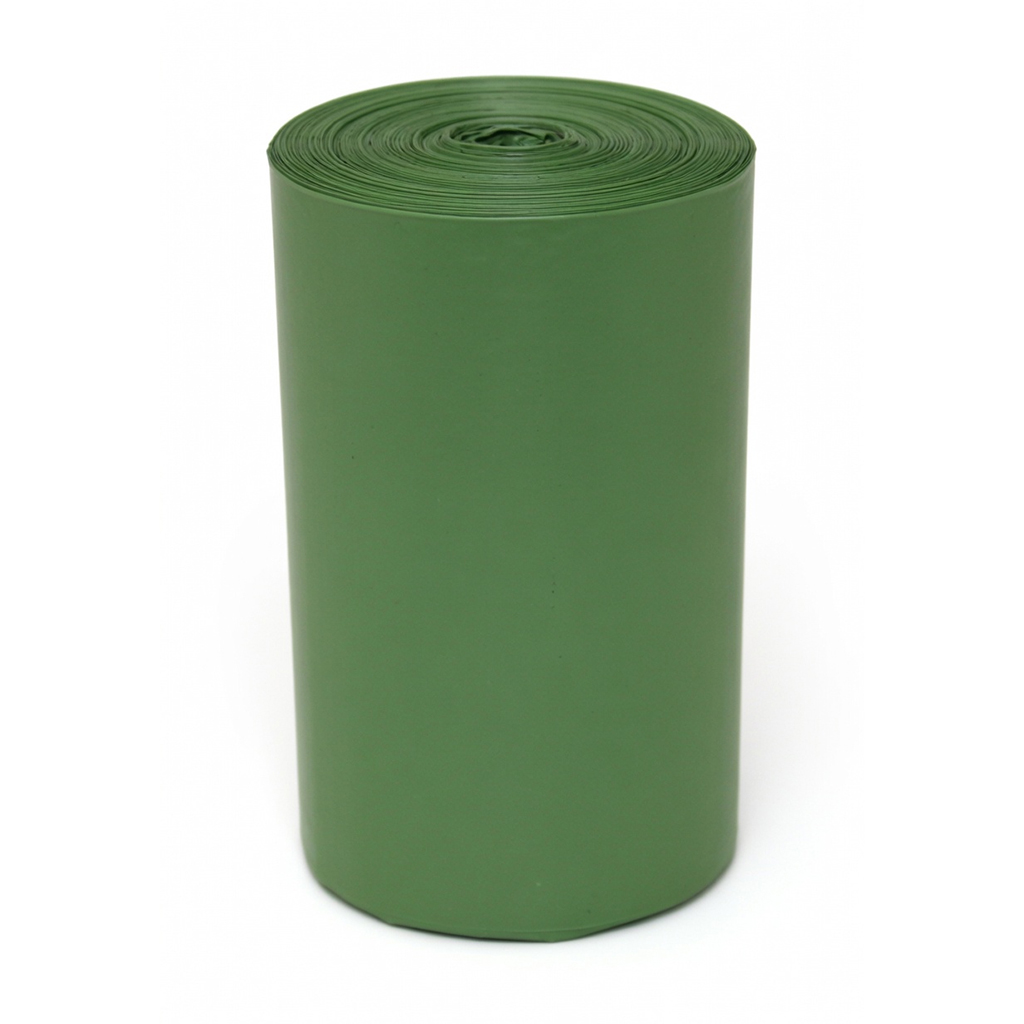
The Mid-Size Compostable Liner That Handles What Kitchen Bins Throw at It
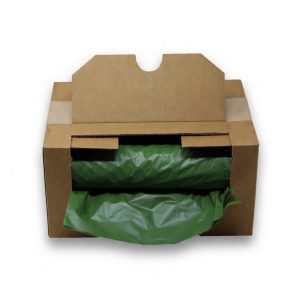
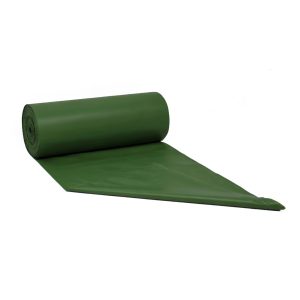
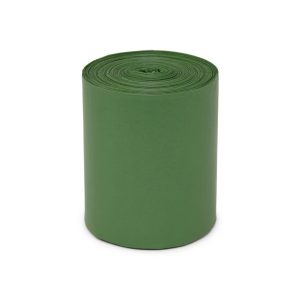
These 8 gallon compostable trash bags sit in the sweet spot between small countertop liners and full-size kitchen bags — the exact format that medium-capacity kitchen bins, office wastebaskets, and bathroom trash cans demand. Each bag is built from plant-derived PLA (Polylactic Acid) and PBAT (Polybutylene Adipate Terephthalate), measures 18.5″ × 26.8″ (47 cm × 68 cm), and features a heavy-duty 0.90 mil (23 micron) wall thickness that outperforms most competing compostable bags in this size class. Dual-certified under OK Compost HOME for backyard composting and EN 13432 for industrial composting facilities, these bags break down fully in the appropriate composting environment while delivering the tear resistance and leak protection that commercial and residential users expect from a premium liner.
SAYRU® 8 gallon compostable trash bags combine 0.90 mil PLA/PBAT construction with dual OK Compost HOME and EN 13432 certification, delivering industrial-grade puncture resistance in a medium-format bag designed to fit 5–8 gallon bins across kitchens, offices, bathrooms, and commercial food-prep environments. Whether you are sourcing liners for a restaurant chain’s kitchen waste program, outfitting a hotel’s housekeeping carts, or supplying a municipal composting initiative with certified collection bags, this product delivers the durability and compliance credentials the job requires.
Engineered to Outperform: Features That Address Real-World Failures
Heavy-Duty 0.90 Mil (23 Micron) Wall Thickness
Mid-size trash bags handle some of the most challenging waste streams in both commercial and residential settings — heavy food scraps, wet paper towels, coffee grounds mixed with liquid, sharp bone fragments, and dense kitchen refuse. Thin compostable bags fail catastrophically under these loads, splitting at the bottom or tearing along the seam when lifted from the bin. At 0.90 mils (23 microns), these bags carry meaningfully thicker walls than the industry baseline for compostable liners in this size range. That extra thickness directly eliminates the double-bagging workaround, reduces leakage incidents that send janitors back with a mop, and gives end users confidence that “compostable” does not mean “fragile.” For procurement teams that have fielded complaints from staff or tenants about flimsy eco-friendly bags, the 0.90 mil wall is the specification that changes the conversation.
Sized for 5–8 Gallon Bins — The Workhorse Format
The 5–8 gallon bin is the most common mid-size waste receptacle across commercial and residential environments. Kitchen step-cans, bathroom wastebaskets, laundry room bins, office waste stations, and breakroom trash cans overwhelmingly fall into this capacity range. At 18.5″ × 26.8″ (47 cm × 68 cm) with a volume of approximately 30 liters, these bags are proportioned to fit securely over the rim of virtually every bin in the 5–8 gallon range — round, square, rectangular, and step-can formats — without bunching at the bottom or sliding inward under load. That universal fit eliminates the procurement headache of matching multiple bag SKUs to different bin styles and streamlines inventory for facilities teams managing diverse environments.
Plant-Based PLA and PBAT Material System
Every bag is manufactured from a dual-polymer blend engineered for complementary performance. PLA (Polylactic Acid), sourced from renewable plant feedstock, provides the structural backbone — stiffness, shape retention, and resistance to slow creep under sustained load. PBAT (Polybutylene Adipate Terephthalate) contributes the elongation, flexibility, and impact resistance that prevent sudden tearing when the bag catches on a sharp edge or is overfilled. This is not a single-material compromise; it is a deliberate two-component system that replicates the mechanical behavior of conventional HDPE and LDPE trash bags using entirely compostable polymers. For end users accustomed to traditional plastic, these bags handle, stretch, and hold with a familiar feel — without the centuries-long environmental persistence.
Dual Compostability Certification — Every Pathway Covered
Composting infrastructure varies dramatically by region: some municipalities operate industrial composting facilities, others promote residential backyard composting, and many offer both. These bags carry two distinct certifications to ensure compatibility with every composting pathway your customers or end users may have access to. OK Compost HOME, administered by TÜV Austria, verifies complete biodegradation under the lower temperatures and longer timeframes of home composting environments. EN 13432, the European harmonized standard, certifies performance in high-temperature industrial composting facilities with strict thresholds for disintegration, biodegradation, heavy metals, and ecotoxicity. One bag, two certifications, zero compliance gaps.
Completely Unscented — No Artificial Fragrance
Chemical fragrances in trash bags create more problems than they solve: they trigger allergic reactions, violate fragrance-free workplace policies, introduce unwanted odors into food-prep areas, and leave chemical residue in the compost stream. These bags contain no added scents, perfumes, or masking agents whatsoever. They are safe for scent-sensitive healthcare environments, food-service kitchens where odor contamination is a concern, corporate offices with indoor air quality standards, and residential kitchens where artificial perfume can clash with cooking aromas.
Also Available in Multi-Pack Bundles
For higher-volume operations, this product is also available in 8-pack bundles, providing additional per-unit savings for businesses, distributors, and institutional buyers who consume medium-format liners at scale. Contact SAYRU® for factory-direct bulk pricing and custom packaging configurations.
Product Specifications
| Parameter | Detail |
|---|---|
| Pack Count | 50 Bags |
| Capacity Range | 5–8 Gallon (approx. 30.28 Liters) |
| Bag Dimensions | 18.5″ × 26.8″ (47 cm × 68 cm) |
| Wall Thickness | 0.90 Mils (23 Microns) |
| Material | PLA (Polylactic Acid) + PBAT (Polybutylene Adipate Terephthalate) |
| Material Source | Plant-derived / renewable resources |
| Scent | Unscented |
| Certifications | OK Compost HOME; EN 13432 (Industrial Composting) |
| Bin Compatibility | Fits various 5–8 gallon bin shapes (round, square, rectangular, step-can) |
| Availability | Also available in 8-pack bundles |
| Recommended Storage | Cool, dry place; use within 12 months of purchase |
Certifications & Compliance: What Buyers Need to Know
OK Compost HOME — Issued by TÜV Austria, this certification confirms that each bag fully biodegrades under the lower-temperature, less-controlled conditions of a residential backyard composting system. Unlike industrial-only certifications, OK Compost HOME validates performance in the environment where most consumers actually compost — their garden. For distributors selling into the residential market and property managers operating tenant composting programs, this certification is a critical differentiator that justifies a premium over bags that only carry industrial compostability claims.
EN 13432 — The European harmonized standard for packaging recoverable through composting and biodegradation. EN 13432 sets quantifiable, auditable thresholds: disintegration within 12 weeks, biodegradation of at least 90% within 6 months, strict limits on heavy metals, and verified absence of negative ecotoxicity effects on the resulting compost. For commercial buyers operating under municipal composting mandates, servicing EU export markets, or responding to government procurement RFPs that specify EN 13432 compliance, this certification is frequently a non-negotiable requirement.
Carrying both certifications simultaneously makes this product defensible across every composting regulatory framework — from voluntary home composting programs to mandatory commercial composting ordinances — maximizing market reach for distributors and minimizing compliance risk for end users.
Where These Bags Work: Applications Across Industries and Settings
An 8 gallon compostable trash bag with 0.90 mil walls and dual home/industrial certification is the most versatile mid-format waste liner available. The 5–8 gallon capacity covers the widest range of bin sizes found in commercial and residential environments. Below are the specific applications where this product directly solves documented operational challenges.
Commercial Kitchens & Restaurant Back-of-House
Kitchen prep stations, dishwashing areas, and line cook waste points generate dense, heavy, wet refuse — vegetable trim, meat scraps, eggshells, coffee grounds, and soaked paper towels. Standard compostable bags in this environment are notorious for splitting at the bottom, forcing kitchen staff to double-bag or resort to conventional plastic. The 0.90 mil wall thickness is specifically engineered for this abuse profile. These certified compostable bags can enter the organic waste stream directly with their contents, eliminating the contamination that forces composting facilities to reject loads containing conventional plastic liners. For multi-unit restaurant groups, standardizing on a single certified SKU across all locations simplifies compliance reporting under municipal composting ordinances.
Hotels & Hospitality Housekeeping
Housekeeping carts in hotels, resorts, and extended-stay properties carry medium-format liners for guest-room bathroom bins, in-room wastebaskets, and minibar areas. A 200-room property can go through dozens of 8 gallon bags per housekeeping shift. Properties pursuing green hospitality certifications (LEED, Green Key, EarthCheck) need documented proof of compostable waste management at every guest touchpoint. The unscented formulation is essential — fragranced trash bags in guest rooms generate negative reviews from scent-sensitive travelers and clash with the premium in-room experience that upscale properties are selling. The 18.5″ × 26.8″ dimensions fit the tall, narrow bathroom bins and in-room wastebaskets that hotel design specifications typically require.
Corporate Offices & Facility Management
Office breakrooms, copy rooms, conference rooms, and restrooms use medium-size bins that the 5–8 gallon range perfectly covers. Facilities managers overseeing multi-floor corporate headquarters or business parks need a liner that works across the full variety of bin shapes deployed by different departments and furniture vendors. These bags fit round, square, rectangular, and step-can formats — eliminating the need for multiple liner SKUs. Companies with published ESG targets, zero-waste-to-landfill commitments, or B Corp certification benefit from a certified compostable product that creates a documentable audit trail at every waste point in the building.
Residential Kitchen Bins
The kitchen trash can is the single highest-volume waste point in most households, and the 5–8 gallon step-can or pedal bin is the most popular format for under-counter kitchen waste. These bags are the right size for daily kitchen refuse — food prep scraps, packaging, napkins, coffee filters, and general household waste. The 0.90 mil construction handles the mixed heavy/wet loads that kitchen bins accumulate, including liquid-soaked items that cause thinner bags to leak. For households that compost at home, the OK Compost HOME certification means the entire bag goes into the backyard compost pile with its food contents — no need to separate. For those using municipal curbside organics collection, EN 13432 certification satisfies the industrial composting requirements of most programs.
Schools, Universities & Institutional Dining
Cafeteria bussing stations, faculty breakrooms, teacher lounges, and dormitory common areas all use medium-format bins that these 8 gallon bags are designed for. School composting programs depend on bags that are strong enough to handle wet cafeteria leftovers when students — not trained janitorial staff — are doing the carrying. The 0.90 mil wall provides the margin of safety that prevents hallway disasters. At the district or university system level, the PLA/PBAT plant-based material composition aligns with institutional procurement mandates that increasingly require bio-based products over petroleum-derived alternatives.
Healthcare & Senior Living Facilities
Patient rooms, examination rooms, waiting areas, nursing stations, and staff break areas in hospitals and senior living communities all have medium-size waste bins for non-medical general waste — food trays, beverage containers, packaging, tissue. The unscented formulation is not optional in these environments — it is typically mandated by patient care policy and infection-control environmental standards. For healthcare systems with sustainability targets, switching general-waste liners to certified compostable bags is a high-visibility, low-disruption improvement that facilities managers can implement immediately without changing waste handling procedures.
Food Trucks, Catering Operations & Mobile Food Prep
Mobile food operations use medium bins for behind-the-counter waste during high-volume service windows. Space is tight, and a leaking bag inside a food truck creates both a safety hazard (slip risk) and a health code violation. The 0.90 mil wall thickness prevents the leaks that thinner bags allow when handling heavy, wet prep waste. For catering companies serving outdoor events, weddings, and festivals with composting mandates, certified compostable bags are often a contractual participation requirement. The dual certification covers events served by both industrial composting partners and smaller community composting operations.
Grocery Stores & Prepared Foods Departments
Behind-the-counter waste bins at deli counters, bakery prep areas, salad bars, and hot food stations produce heavy, wet refuse that fills medium bags rapidly throughout the day. The 0.90 mil construction handles the weight of meat trimmings, bakery waste, and produce culls without tearing. For grocery chains with publicized sustainability commitments, visible use of compostable liners in customer-facing areas reinforces the environmental brand story. Standardizing on one certified SKU across all departments and locations simplifies centralized purchasing and sustainability compliance tracking.
Childcare Centers & Early Education Facilities
Diaper-changing stations, craft activity areas, snack-time cleanup, and classroom waste bins in childcare centers use medium-format bags. The unscented formulation eliminates fragrance exposure for young children with developing respiratory systems and sensitivities. The tear-resistant 0.90 mil wall prevents the kind of mid-carry blowouts that create unsanitary messes in environments where small children are present. For facilities operating under sustainability-focused parent expectations, certified compostable bags demonstrate an operational commitment that resonates with enrollment decisions.
Co-Working Spaces & Shared Office Environments
Community kitchens, shared breakrooms, and individual desk clusters in co-working spaces generate a high turnover of medium-format waste. Co-working operators managing sustainability branding for their spaces — especially those targeting climate-conscious startup tenants — benefit from visible use of certified compostable liners as part of their facility’s environmental narrative. The universal bin fit handles the mix of different bin models that accumulate in shared spaces over time without requiring liner inventory segmentation.
Municipal & Residential Composting Programs
Cities offering curbside organics collection frequently require or recommend certified compostable liners for kitchen collection bins. The 8 gallon format is the most common municipal kitchen bin size. These bags meet both the OK Compost HOME standard (for residents who compost at home) and the EN 13432 standard (for materials processed at industrial composting facilities), making them a universal choice for municipalities that serve both composting pathways. Government procurement teams can source these bags with full certification documentation for public distribution programs.
Outdoor Events, Festivals & Farmers’ Markets
Medium-format waste stations at vendor booths, food courts, backstage areas, and audience zones at outdoor events collect mixed food and packaging waste. Many event venues and municipalities now mandate composting compliance for event permits. These dual-certified bags allow event operators to route waste from medium bins directly into the composting stream. The 0.90 mil construction survives the rough handling that event waste undergoes — piled into collection carts, compressed during transport, and processed alongside heavy food waste from multiple vendors.
Airline & Train Catering Galleys
In-transit catering operations on aircraft and trains use medium bins in galley prep areas and service carts. Airlines and rail operators under pressure to reduce single-use plastic are sourcing compostable alternatives at scale. The 8 gallon format fits standard galley bins, and the 0.90 mil wall prevents in-transit leaks from beverage-soaked napkins, meal remnants, and mixed liquid/solid waste — a critical requirement in moving vehicles where spills create both safety and hygiene problems.
Gym, Fitness & Recreation Facilities
Locker rooms, smoothie bars, front desk areas, and group class studios all use medium wastebaskets. Fitness facilities aiming for a green brand image benefit from switching to certified compostable liners as a visible sustainability touchpoint that members notice. The unscented bags avoid introducing artificial fragrance into spaces where elevated breathing rates make scent sensitivity more pronounced.
A Direct Replacement for Conventional Plastic — Without the Environmental Cost
Conventional polyethylene trash bags are manufactured from petroleum-derived polymers and persist in landfills for hundreds of years, fragmenting into microplastics that contaminate soil and waterways. These compostable bags offer a fundamentally different end-of-life pathway: made from plant-derived PLA and PBAT, they are engineered to break down completely — into carbon dioxide, water, and organic biomass — when composted under the conditions specified by their OK Compost HOME and EN 13432 certifications.
For businesses navigating single-use plastic bans, extended producer responsibility (EPR) legislation, or voluntary sustainability commitments, switching to a certified compostable liner at every waste point is one of the most visible and operationally straightforward sustainability improvements available. Unlike capital-intensive building retrofits or energy system overhauls, the swap is immediate: replace the bag, document the switch, report the impact. The 0.90 mil wall thickness ensures this environmental benefit comes with zero performance compromise — these bags match the tensile strength, puncture resistance, and load-bearing capacity of the petroleum-based liners they replace.
Storage & Handling Recommendations
Because these bags are manufactured from plant-based materials designed to biodegrade, proper storage is critical to preserving full performance across the shelf life. Store bags in a cool, dry location away from direct sunlight, heating vents, and moisture sources. Avoid storing cases directly on concrete floors in unclimate-controlled warehouses — use pallets or shelving. Use within 12 months of purchase for optimal tear strength and flexibility. For operations maintaining ongoing inventory, a first-in, first-out (FIFO) stock rotation is recommended to ensure each bag performs at full specification when deployed.
Frequently Asked Questions
What size bins do these 8 gallon compostable bags fit?
These bags measure 18.5″ × 26.8″ (47 cm × 68 cm) with a capacity of approximately 30 liters, designed to fit the full range of 5–8 gallon bins — round, square, rectangular, and step-can formats. They are the right liner for kitchen trash cans, bathroom wastebaskets, office breakroom bins, and medium-format commercial waste receptacles.
How thick are these bags compared to other compostable options?
Each bag features 0.90 mil (23 micron) wall thickness, which is significantly heavier than the typical 0.50–0.70 mil range found in many competing compostable bags of this size. The extra thickness is specifically engineered to handle the heavy, wet waste streams — food scraps, liquid-soaked paper, mixed kitchen refuse — that mid-size bags encounter in daily use.
What certifications do these compostable bags hold?
Each bag carries two independent certifications. OK Compost HOME, administered by TÜV Austria, verifies that the bag biodegrades under home composting conditions — lower temperatures and longer timeframes. EN 13432, the European harmonized standard, certifies performance in industrial composting facilities, requiring at least 90% biodegradation within 6 months and strict limits on ecotoxicity and heavy metals. Dual certification means the bags are accepted in both home and industrial composting pathways.
What material are these bags made from?
The bags are manufactured from a blend of PLA (Polylactic Acid), derived from renewable plant sources, and PBAT (Polybutylene Adipate Terephthalate). PLA provides structural rigidity and shape retention, while PBAT adds flexibility and elongation to prevent tearing. Both materials are fully compostable under the conditions specified by the product’s OK Compost HOME and EN 13432 certifications.
Are these bags strong enough for kitchen waste?
Yes. The 0.90 mil wall thickness is designed to handle the heaviest residential and commercial kitchen waste loads — wet food scraps, coffee grounds, bones, vegetable trim, and liquid-soaked items. At 23 microns, the walls provide substantially more puncture and tear resistance than thinner compostable alternatives, eliminating the need to double-bag or use a separate inner liner.
Do these bags have any scent?
No. These bags are completely unscented — no added perfumes, fragrances, or chemical masking agents. This makes them appropriate for food-prep environments, healthcare facilities, offices with fragrance-free policies, childcare centers, and any setting where artificial scents are undesirable or policy-prohibited.
Can these bags go directly into a home compost bin?
Yes. The OK Compost HOME certification verifies that these bags biodegrade fully under residential composting conditions. You can place the entire bag — with its food waste contents — into a backyard compost pile or tumbler. The bag will break down along with the organic waste according to the certification’s specified timeframes.
Will these bags work for municipal curbside composting programs?
These bags meet the EN 13432 standard, which is widely recognized by industrial composting facilities that process curbside organics collection. However, acceptance policies vary by municipality and composting operator. Check with your local program to confirm that certified compostable bags are accepted in your area’s organics collection stream before using them for curbside pickup.
How should I store these bags to maintain their performance?
Store in a cool, dry location away from direct sunlight, heat, and humidity. Because the bags are made from biodegradable plant-based polymers, exposure to high temperatures or moisture can initiate premature decomposition, reducing tear strength before the bags are used. For best performance, use within 12 months of purchase.
Is this product available in larger bulk quantities?
Yes. In addition to the standard 50-count pack, this product is also available in 8-pack bundles for higher-volume commercial and institutional buyers. Contact SAYRU® directly for factory-direct bulk pricing, custom case quantities, and private-label packaging options.