

A sustainability town hall is a structured public event where a business invites its customers to discuss the company’s environmental practices, hear feedback, and answer questions openly. It’s a less common format than customer surveys or sustainability reports, but for businesses serious about engaging customers on environmental commitments, it can be uniquely valuable.
A well-run town hall builds trust. The customers see the business willing to engage directly, hear concerns, and answer hard questions. The business gets feedback that doesn’t filter through survey instruments or marketing intermediaries. Both sides leave with a clearer picture of where the relationship stands and where it’s going.
A poorly-run town hall feels like marketing theater. The questions are softball. The answers are corporate speak. The customers tune out and the business gets no real feedback. The event happens but nothing comes of it.
This guide walks through how to run a town hall well, the planning, the format, the questions, and the follow-up that converts the event into ongoing change.
What a town hall is, specifically
A customer sustainability town hall has these elements:
- Open invitation. Customers (or specific customer segments) are invited to attend. Not invitation-only to friendly customers.
- Structured agenda. Time for company presentation, time for customer questions, time for discussion.
- Q&A as the focus. Most of the event is customers asking questions and the company answering, not the company presenting.
- In-person or video. Both formats work. In-person is more personal; video reaches more customers.
- Recording with permission. Recording the event and sharing it (with permission) extends the reach.
- Documented commitments. What the company says it will do is written down and tracked.
A town hall isn’t a webinar (one-way information). It isn’t a marketing event (selling). It’s a dialogue.
When to run a town hall
Town halls work best at specific moments:
After a sustainability report is published. The town hall is the place to discuss the report, hear customer reactions, and answer questions about commitments.
When a major sustainability initiative launches. Announcing a switch to compostable packaging, a renewable energy commitment, a supply chain change. The town hall is where customers can ask about specifics.
Annually as a planned cycle. Some companies run annual town halls as part of their sustainability calendar.
In response to customer feedback. If customer feedback has been pointing toward specific concerns, a town hall is a way to address them directly.
Avoid running town halls: As a damage control after a scandal (will feel defensive); as a pure marketing event (will feel hollow); too frequently (loses meaning).
Pre-event planning
The 4-8 weeks before the town hall matter as much as the event itself.
Define the audience. Who is invited? Existing customers? Prospective customers? Both? For a B2B operation, individual customer contacts vs. entire customer organizations? Clarify the scope.
Define the format. In-person, video, or hybrid? In-person is more engaging but limits attendance. Video reaches more people but loses some intimacy.
Set the agenda. A typical 90-minute town hall:
- 5-10 min: Welcome and overview
- 15-20 min: Company presentation on sustainability program
- 50-60 min: Customer Q&A and discussion
- 5-10 min: Wrap-up, commitments, next steps
The presentation portion is shorter than people expect. Most of the time is for customer voice.
Choose the speakers. Who from the company will be present? At minimum, a senior sustainability leader. For larger town halls, the CEO or president if appropriate. For specific topics, the relevant operational lead (head of supply chain, head of operations).
The speakers should be people who can answer hard questions credibly. A marketing person presenting on operations is a problem when operations questions come up.
Prepare for hard questions. Anticipate the toughest 10-15 questions and prepare honest answers. Some will be about specific incidents, supply chain decisions, claims that haven’t materialized. Have specific answers ready.
Send invitations early. 3-4 weeks ahead. Clear about the format and how to attend.
Solicit pre-event questions. Some attendees prefer to submit questions in advance. Invite submissions; address the top 5-10 in the presentation portion.
The event itself
A few practical considerations during the event:
Open with a brief, specific overview. The presentation portion should be 15-20 minutes, no more. Cover:
- What you’ve done in the past year (specific actions)
- What you’ve committed to do in the coming year (specific commitments)
- What you’ve struggled with (frank acknowledgment)
The temptation is to make this longer with extensive slides. Resist it. The shorter the company portion, the more time for the customer portion, and the customer portion is where the value is.
Let customers ask the questions. Don’t pre-filter to friendly questions only. Take the hard questions. The audience can tell when you’re avoiding things.
Answer honestly. Some questions will be ones where the company isn’t doing well. Acknowledge that. “We haven’t achieved that yet” is a better answer than spin.
Use specific numbers. “We reduced our carbon emissions by 12% year over year” is better than “we made significant progress.” Customers can verify specific numbers; they can’t verify vague claims.
Capture follow-ups. Some questions can’t be answered in the moment. Note them, commit to follow up, then actually follow up.
Don’t dodge. If a question reveals something the company isn’t doing well, the right response is to acknowledge it and commit to improvement. Dodging is more damaging than honesty.
Have a moderator. Someone (could be internal or external) who keeps the event on time, calls on different speakers, and manages the flow. The speakers shouldn’t moderate themselves.
Format-specific considerations
For an in-person town hall:
- Venue with seating for expected attendance
- Microphone for both speakers and audience (use floor mics or pass-mics for audience)
- Refreshments (compostable foodware naturally fits the theme, see compostable tableware)
- Sign-in for attendance tracking
- Comfortable lighting and temperature
For a video town hall:
- Video platform that handles 50-200+ attendees (Zoom, Microsoft Teams, WebEx)
- Chat function enabled for typed questions
- “Raise hand” function for audio questions
- Backup contact if technical issues
- Recording enabled with attendee consent
For hybrid (in-person plus video):
- Camera and audio capture for the in-person event
- Display of remote attendees if they’re commenting via video
- Moderator coordinating both audiences
Questions to expect
A few common question categories:
Product/service questions:
- “When will be available in compostable form?”
- “Why does [packaging] still use plastic when alternatives exist?”
- “What’s the lifecycle assessment for your [main product]?”
Supply chain questions:
- “Where are your manufactured?”
-
0.25 oz Compostable Food Containers for Foodservice & Catering
Read more -
1 oz Compostable Coffee Cup Lids | Microwave & Freezer Ready | Hot Food Safe to 220°F
Read more -
1 oz Compostable Food Containers — Hot Food Safe to 220°F
Read more -
1 oz Compostable Food Containers — Microwave & Freezer Ready
Read more -
1 oz Compostable PLA Lids | Hot Food Safe to 220°F | Freezer-Safe Meal Prep
Read more -
1 oz PLA Bioplastic Food Containers for Foodservice & Catering
Read more -
1 Quart Compostable BioBag Resealable Food Storage Bags | 12 Box Case
Read more -
1 Quart Compostable BioBag Resealable Food Storage Bags | 20/Box
Read more -
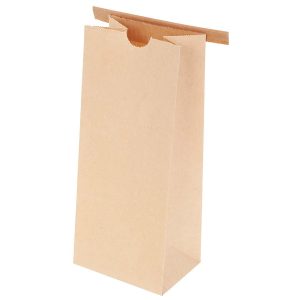
1/2 lb Bagcraft Compostable PLA-Lined Kraft Paper Coffee Bags | 3.3×2.5×7.75
Read more -
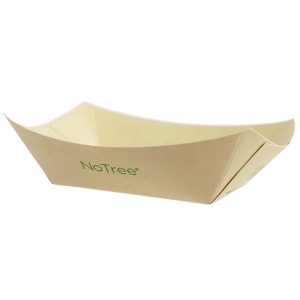
1/2 lb Compostable NoTree Paper Food Trays for Foodservice & Catering
Read more -
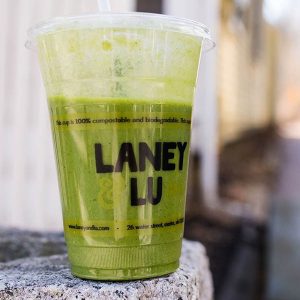
10 oz Compostable Cold Cups | Hot Food Safe to 120°F | Freezer-Safe Meal Prep
Read more -
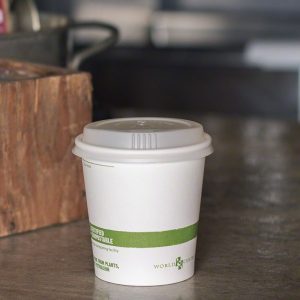
10 oz Compostable Hot Cups — PLA-Lined for Liquids
Read more -
10 oz Compostable Hot Cups for Coffee Shops & Beverage Service
Read more -
10 oz Compostable Hot Cups for Coffee Shops & Beverage Service
Read more -
10 oz Kraft Paper Hot Cups for Coffee Shops & Beverage Service
Read more -
10 oz Kraft Paper Hot Cups for Coffee Shops & Beverage Service
Read more -
10 oz PLA Bioplastic Juice Bottles for Cold-Pressed Juice, Smoothies & Kombucha
Read more -
10 x 10″ Custom Printed Compostable Deli Paper
Read more -
10 x 5 x 13″ Compostable Custom Printed Kraft Recycled Paper Shopping Bags
Read more -
10 x 7 x 12″ Compostable Custom Printed Kraft Recycled Paper Shopping Bags
Read more -
10.25″ Made in USA Compostable Fiber Plates for Catering, Takeout & Foodservice
Read more -
10.75 x 15″ Custom Printed Compostable Deli Paper
Read more -
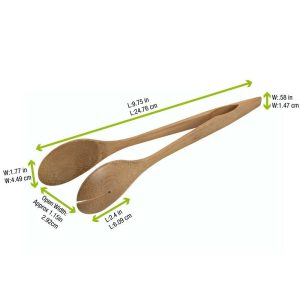
10″ Compostable Bamboo Serving Tongs for Catering, Takeout & Foodservice
Read more -
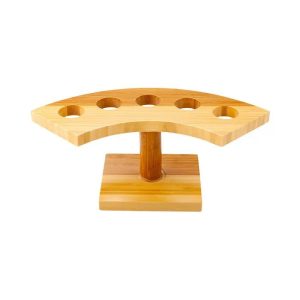
10″ Compostable Crescent Bamboo Food Cone Stand | 5 Slots | 1 Stand
Read more -
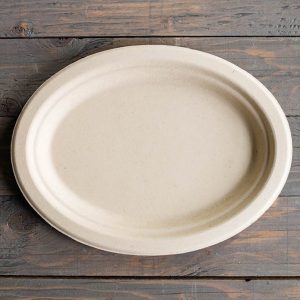
10″ Compostable Fiber Oval Plates for Catering, Takeout & Foodservice
Read more -
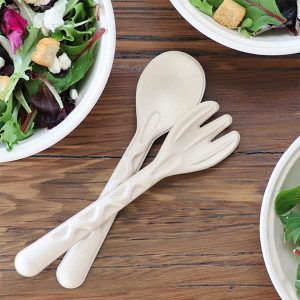
10″ Compostable Fiber Serving Spoons for Catering, Takeout & Foodservice
Read more -
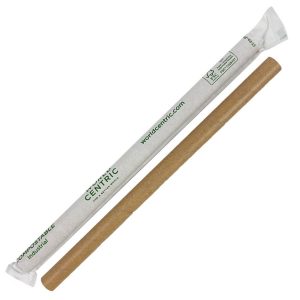
10″ Compostable Fiber Square Plates for Catering, Takeout & Foodservice
Read more -
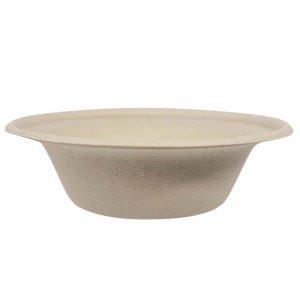
11.5 oz Bagasse Fiber Fiber Bowls for Salads, Burritos & Hot Bowls
Read more -
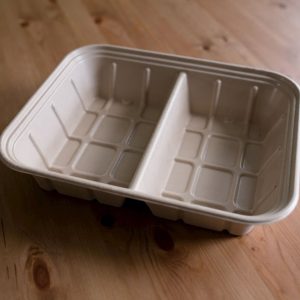
112 oz Compostable Fiber Catering Trays for Foodservice & Catering
Read more -
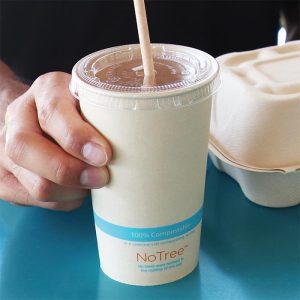
12 oz Compostable Cold Cups — Hot Food Safe to 220°F
Read more -
12 oz Compostable Cold Cups, Hot Food Safe to 120°F
Read more -
12 oz Compostable Deli Containers — Hot Food Safe to 120°F
Read more -
12 oz Compostable Deli Containers | Freezer-Safe Meal Prep | Hot Food Safe to 220°F
Read more -
12 oz Compostable Deli Containers | Hot Food Safe to 120°F | Microwave & Freezer Ready
Read more -
12 oz Compostable Deli Containers, Hot Food Safe to 220°F
Read more -
12 oz Compostable Fiber Bowls | Home Plant Fiber | Microwave & Freezer Ready
Read more -
12 oz Compostable Food Containers — Hot Food Safe to 220°F
Read more -
12 oz Compostable Food Containers — Hot Food Safe to 220°F
Read more -
12 oz Compostable Food Containers | Hot Food Safe to 220°F | Microwave & Freezer Ready
Read more -
12 oz Compostable Food Containers, Hot Food Safe to 220°F
Read more -
12 oz Compostable Hot Cups — PLA-Lined for Liquids
Read more -
12 oz Compostable Hot Cups — PLA-Lined for Liquids
Read more -
12 oz Compostable Juice Bottles — Freezer-Safe Meal Prep
Read more -
12 oz Compostable PLA Lids for Takeout & Delivery
Read more -
12 oz Compostable PLA Lids, Hot Food Safe to 120°F
Read more -
12 oz PLA Bioplastic Cold Cups for Coffee Shops & Beverage Service
Read more -
12 oz PLA Bioplastic Cold Cups for Coffee Shops & Beverage Service
Read more -
12 oz PLA Bioplastic Cold Cups for Coffee Shops & Beverage Service
Read more -
12 oz PLA Bioplastic Juice Bottles for Cold-Pressed Juice, Smoothies & Kombucha
Read more -
12 x 10″ Custom Printed Compostable Deli Paper
Read more -
12 x 12″ Custom Printed Compostable Deli Paper
Read more -
12″ Compostable Fiber PizzaRound Pizza Boxes for Foodservice & Catering
Read more -
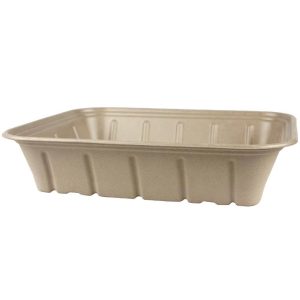
120 oz Compostable Fiber Catering Trays — Microwave & Freezer Ready
Read more -
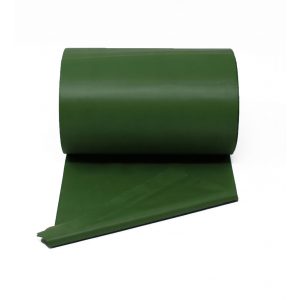
13 Gallon Compostable Trash Bags — 0.90 Mil Plant-Based Tall Kitchen Bags, Dual Certified
Read more -
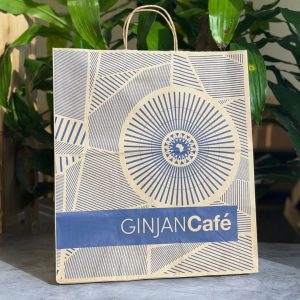
13 x 7 x 13″ Compostable Custom Printed Kraft Recycled Paper Shopping Bags
Read more -
13 x 7 x 17″ Compostable Custom Printed Kraft Recycled Paper Shopping Bags
Read more -
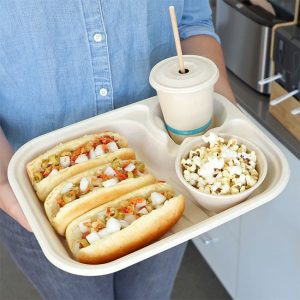
13×10″ Compostable Fiber Serving Trays w/ Cup Holder
Read more -
14 oz Compostable Fiber Lunch Trays, Hot Food Safe to 220°F
Read more -
14 oz PLA Bioplastic Cold Cups for Coffee Shops & Beverage Service
Read more -
14.5 x 9 x 16.25″ Compostable Custom Printed Kraft Recycled Paper Shopping Bags
Read more -
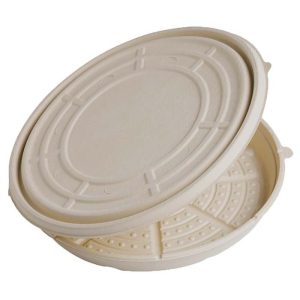
14″ Compostable Fiber PizzaRound Pizza Boxes for Foodservice & Catering
Read more -
15 x 15″ Compostable Custom Deli Paper 20# Standard Grease Resistant
Read more -
15 x 15″ Custom Printed Compostable Deli Paper
Read more -
16 oz Compostable Cold Cups — Hot Food Safe to 120°F
Read more -
16 oz Compostable Cold Cups | Freezer-Safe Meal Prep | Hot Food Safe to 220°F
Read more -
16 oz Compostable Cold Cups | Hot Food Safe to 220°F | PLA-Lined for Liquids
Read more -
16 oz Compostable Cold Cups for Coffee Shops & Beverage Service
Read more -
16 oz Compostable Deli Containers — Freezer-Safe Meal Prep
Read more -
16 oz Compostable Deli Containers, Hot Food Safe to 220°F
Read more -
16 oz Compostable Fiber Bowls | Home Plant Fiber | Hot Food Safe to 200°F
Read more -
16 oz Compostable Fiber Bowls | Home Plant Fiber | Hot Food Safe to 220°F
Read more -
16 oz Compostable Food Containers — Freezer-Safe Meal Prep
Read more -
16 oz Compostable Food Containers | Freezer-Safe Meal Prep | Hot Food Safe to 120°F
Read more -
16 oz Compostable Food Containers | Microwave & Freezer Ready | Hot Food Safe to 220°F
Read more -
16 oz Compostable Hot Cups | Microwave & Freezer Ready | Hot Food Safe to 200°F
Read more -
16 oz Compostable Hot Cups for Coffee Shops & Beverage Service
Read more -

16 oz Compostable Hot Cups for Coffee Shops & Beverage Service
Read more -
16 oz Compostable Juice Bottles — Freezer-Safe Meal Prep
Read more -
16 oz Compostable Juice Bottles | Freezer-Safe Meal Prep
Read more -
16 oz Compostable PLA Lids — Hot Food Safe to 220°F
Read more -
16 oz Compostable PLA Lids | Microwave & Freezer Ready | Hot Food Safe to 120°F
Read more -
16 oz Compostable PLA Lids for Takeout & Delivery
Read more -
16 oz Compostable Salad Bowls — Hot Food Safe to 220°F
Read more -
16 oz Compostable Straws — Hot Food Safe to 220°F
Read more -
16 oz Compostable Straws for Foodservice & Catering
Read more -
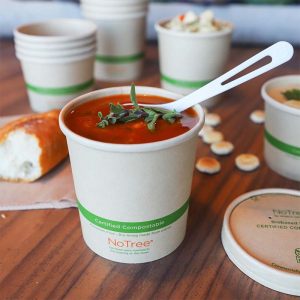
16 oz Kraft Paper Food Containers for Foodservice & Catering
Read more -
16 oz Kraft Paper Food Containers for Foodservice & Catering
Read more -
16 oz PLA Bioplastic Cold Cups for Coffee Shops & Beverage Service
Read more -
16 oz PLA Bioplastic Food Containers for Foodservice & Catering
Read more -
16 oz PLA Bioplastic PLA Lids for Takeout & Delivery
Read more -
16 x 24″ Custom Printed Compostable Deli Paper
Read more -
16 x 6 x 12″ Compostable Custom Printed Kraft Recycled Shopping Bags
Read more -
17 oz Compostable Fiber Lunch Trays for Schools, Cafeterias & Catering
Read more -
18 oz Compostable Fiber Bowls — Microwave & Freezer Ready
Read more -
18 oz Compostable PLA Lids for Takeout & Delivery
Read more -
18 x 7 x 18″ Compostable Custom Printed Kraft Recycled Paper Shopping Bags
Read more -
2 Gallon Compostable BioBag Compost Bin Liner Bags
Read more -
2 oz Compostable Bamboo Food Cones — Single-Material Bagasse Fiber
Read more -
2 oz Compostable Cold Cups — Hot Food Safe to 220°F
Read more -
2 oz Compostable Cold Cups for Coffee Shops & Beverage Service
Read more -
2 oz Compostable Cold Cups, Hot Food Safe to 220°F
Read more -
2 oz Compostable Fiber Lids — Home Plant Fiber
Read more -
2 oz Compostable Juice Bottles for Cold-Pressed Juice, Smoothies & Kombucha
Read more -
2 oz Compostable Plates, Hot Food Safe to 220°F
Read more -
2 oz PLA Bioplastic Juice Bottles for Cold-Pressed Juice, Smoothies & Kombucha
Read more -
2 oz PLA Bioplastic PLA Lids for Takeout & Delivery
Read more -
2 Quart Compostable Reversible Paper Clamshell Produce Box Containers
Read more -
2.4 x 2.4″ Compostable Mini Bamboo Square Dishes
Read more -
2.6 Gallon Plant-Based Compostable Trash Bags — Certified for Home & Industrial Composting
Read more -
2.8″ Compostable Bamboo Looped Skewers for Catering, Takeout & Foodservice
Read more -
20 oz Compostable Cold Cups | Freezer-Safe Meal Prep | Hot Food Safe to 120°F
Read more -
20 oz Compostable Cold Cups for Coffee Shops & Beverage Service
Read more -
20 oz Compostable Fiber Lunch Trays — Hot Food Safe to 220°F
Read more -
20 oz Compostable Fiber Lunch Trays | PLA-Lined for Liquids | Single-Material Bagasse Fiber
Read more -
20 oz Compostable Hot Cups — Microwave & Freezer Ready
Read more -
20 oz Compostable Hot Cups | Hot Food Safe to 200°F | Freezer-Safe Meal Prep
Read more -
20 oz Compostable Hot Cups for Coffee Shops & Beverage Service
Read more -
20 oz Compostable Hot Cups, Hot Food Safe to 180°F
Read more -
20 oz Compostable Hot Cups, Hot Food Safe to 220°F
Read more -
20 oz Kraft Paper Cold Cups for Coffee Shops & Beverage Service
Read more -
20 oz Kraft Paper Hot Cups for Coffee Shops & Beverage Service
Read more -

20 oz PLA Bioplastic Cold Cups for Coffee Shops & Beverage Service
Read more -
22 oz Compostable Cold Cups — Hot Food Safe to 220°F
Read more -
22 oz Compostable Cold Cups, Hot Food Safe to 220°F
Read more -
22.5″ Compostable Oblong Bamboo Food Cone Stand | 20 Slots | 1 Stand
Read more -
24 oz Compostable Cold Cups — Hot Food Safe to 220°F
Read more -
24 oz Compostable Cold Cups | Hot Food Safe to 120°F | Freezer-Safe Meal Prep
Read more -
24 oz Compostable Cold Cups for Coffee Shops & Beverage Service
Read more -
24 oz Compostable Deli Containers | Freezer-Safe Meal Prep | Hot Food Safe to 120°F
Read more -
24 oz Compostable Deli Containers, Hot Food Safe to 120°F
Read more -
24 oz Compostable Deli Containers, Hot Food Safe to 220°F
Read more -
24 oz Compostable Fiber Bowls | Hot Food Safe to 200°F | Microwave & Freezer Ready
Read more -
24 oz Compostable Fiber Bowls | Hot Food Safe to 220°F | Microwave & Freezer Ready
Read more -
24 oz Compostable Fiber Bowls | Hot Food Safe to 220°F | Single-Material Bagasse Fiber
Read more -
24 oz Compostable Fiber Bowls | Microwave & Freezer Ready | Home Plant Fiber
Read more -
24 oz Compostable Fiber Lunch Trays for Schools, Cafeterias & Catering
Read more -
24 oz Compostable Food Containers for Foodservice & Catering
Read more -
24 oz Compostable Food Containers, Hot Food Safe to 220°F
Read more -
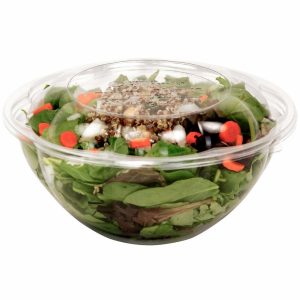
24 oz Compostable PLA Lids for Takeout & Delivery
Read more -
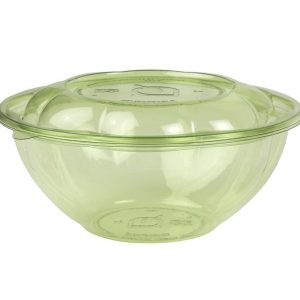
24 oz Compostable Salad Bowls, Hot Food Safe to 220°F
Read more -
24 oz Kraft Paper Food Containers for Foodservice & Catering
Read more -
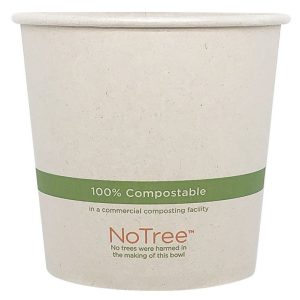
24 oz Kraft Paper Food Containers for Foodservice & Catering
Read more -
24 oz PLA Bioplastic Cold Cups for Coffee Shops & Beverage Service
Read more -
24 oz PLA Bioplastic Deli Containers for Foodservice & Catering
Read more -
26 oz Compostable Food Containers — Hot Food Safe to 220°F
Read more -
3 Gallon Compostable Bags — Plant-Based Food Scrap Liners for Homes, Cafés & Offices
Read more -
3 lb Compostable NoTree Paper Food Trays for Foodservice & Catering
Read more -
3 oz Bagasse Fiber Food Containers for Foodservice & Catering
Read more -
3 oz Compostable Bamboo Food Cones — Hot Food Safe to 220°F
Read more -
3 oz Compostable Cold Cups, Hot Food Safe to 120°F
Read more -
3 oz Compostable Cold Cups, Hot Food Safe to 120°F
Read more -
3 oz Compostable Juice Bottles | Freezer-Safe Meal Prep
Read more -
3 Quart Compostable Kraft Paper Clamshell Produce Box Containers
Read more -
3 Quart Compostable Reversible Paper Clamshell Produce Box Containers
Read more -
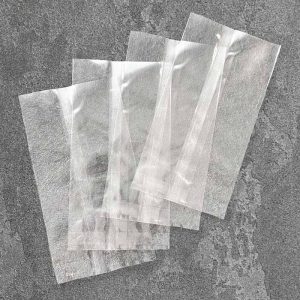
3 x 5″ Compostable Clear Flat NatureFlex Cellophane Bags
Read more -
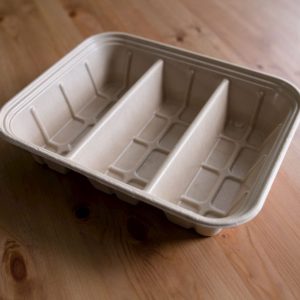
3-Compartment 104 oz Compostable Fiber Catering Trays for Foodservice & Catering
Read more -
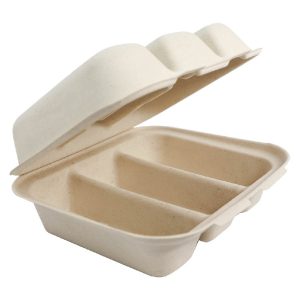
3-Compt Compostable Fiber Taco Clamshells | No PFAS | 8x7x3″
Read more -
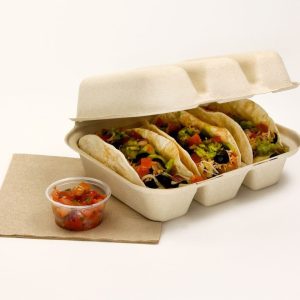
3-Compt Compostable Fiber Taco Clamshells | No PFAS | 9.25x8x3″
Read more -
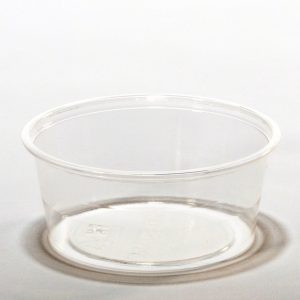
3.25 oz PLA Bioplastic PLA Lids for Takeout & Delivery
Read more -
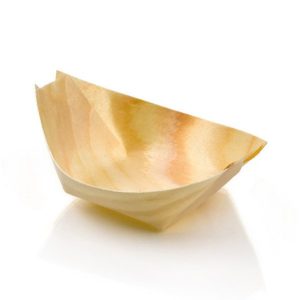
3.25″ Compostable Mini Pinewood Food Boats for Catering, Takeout & Foodservice
Read more -
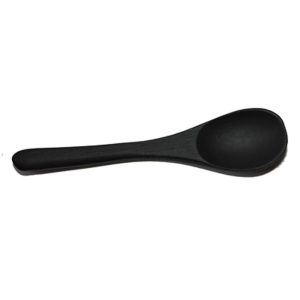
3.5″ Compostable Mini Black Bamboo Spoons for Catering, Takeout & Foodservice
Read more -

3.5″ Compostable Round Custom Drink Coasters for Foodservice & Catering
Read more -

3.5″ Compostable Square Custom Drink Coasters
Read more -
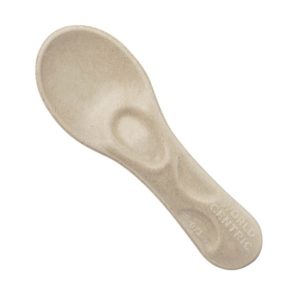
3″ Compostable Fiber Mini Tasting Spoons for Catering, Takeout & Foodservice
Read more -
3″ Compostable tPLA Mini Tasting Spoons for Catering, Takeout & Foodservice
Read more -
30 oz Compostable Fiber To-Go Boxes | PLA-Lined for Liquids | Single-Material Bagasse Fiber
Read more -
30 oz Compostable Fiber To-Go Boxes, Hot Food Safe to 220°F
Read more -
32 oz Compostable Deli Containers | Hot Food Safe to 220°F | Freezer-Safe Meal Prep
Read more -
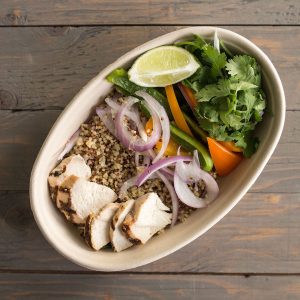
32 oz Compostable Fiber Bowls — Home Plant Fiber
Read more -
32 oz Compostable Fiber Bowls — Single-Material Bagasse Fiber
Read more -
32 oz Compostable Fiber Bowls for Salads, Burritos & Hot Bowls
Read more -
32 oz Compostable Fiber Bowls for Salads, Burritos & Hot Bowls
Read more -
32 oz Compostable Fiber Bowls, Hot Food Safe to 110°F
Read more -
32 oz Compostable Fiber Bowls, Hot Food Safe to 220°F
Read more -
32 oz Compostable Food Containers — Microwave & Freezer Ready
Read more -
32 oz Compostable Food Containers | Freezer-Safe Meal Prep | Hot Food Safe to 220°F
Read more -
32 oz Compostable Food Containers | Freezer-Safe Meal Prep | PLA-Lined for Liquids
Read more -
32 oz Compostable Food Containers | Hot Food Safe to 220°F | PLA-Lined for Liquids
Read more -
32 oz Compostable Food Containers for Foodservice & Catering
Read more -
32 oz Compostable Food Containers, Hot Food Safe to 220°F
Read more -
32 oz Compostable Juice Bottles — Freezer-Safe Meal Prep
Read more -
32 oz Compostable Juice Bottles | Freezer-Safe Meal Prep
Read more -
32 oz Compostable PLA Lids — Hot Food Safe to 220°F
Read more -
32 oz Compostable PLA Lids for Takeout & Delivery
Read more -
32 oz Compostable PLA Lids, Hot Food Safe to 220°F
Read more -
32 oz Kraft Paper Fiber Bowls for Salads, Burritos & Hot Bowls
Read more -
32 oz PLA Bioplastic Fiber Bowls for Salads, Burritos & Hot Bowls
Read more -

33 Gallon Compostable Trash Bags — 0.90 Mil Plant-Based Bags for Lawn, Leaf & Large-Bin Waste
Read more -
36 oz Compostable Fiber Bowls | Home Plant Fiber | Hot Food Safe to 200°F
Read more -
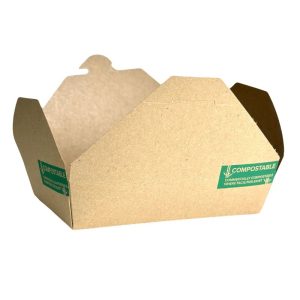
36 oz Compostable Food Containers for Foodservice & Catering
Read more -
4 oz Compostable Coffee Cup Lids for Takeout & Delivery
Read more -
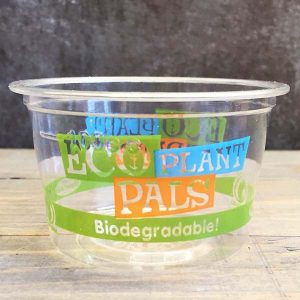
4 oz Compostable Cold Cups — Hot Food Safe to 120°F
Read more -
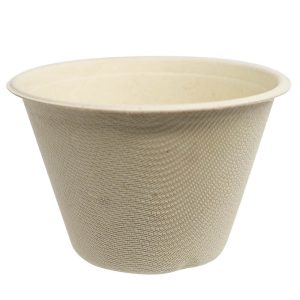
4 oz Compostable Fiber Bowls | Hot Food Safe to 200°F | Home Plant Fiber
Read more -
4 oz Compostable Food Containers | Hot Food Safe to 120°F | Freezer-Safe Meal Prep
Read more -
4 oz Compostable Hot Cups | Hot Food Safe to 220°F
Read more -
4 oz Compostable Hot Cups | Hot Food Safe to 220°F | Microwave & Freezer Ready
Read more -
4 oz Kraft Paper Hot Cups for Coffee Shops & Beverage Service
Read more -
4 oz Kraft Paper Hot Cups for Coffee Shops & Beverage Service
Read more -
4 oz PLA Bioplastic PLA Lids for Takeout & Delivery
Read more -
4-Compt Shallow Greenware Compostable PLA Clear On-The-Go Containers
Read more -
4.0″ Compostable Round Custom Drink Coasters for Foodservice & Catering
Read more -
4.0″ Compostable Square Custom Drink Coasters
Read more -
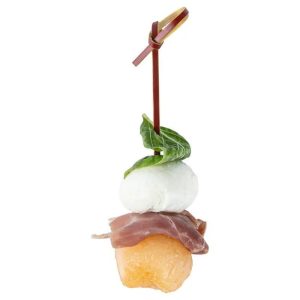
4″ Compostable Brown Bamboo Knotted Skewers for Catering, Takeout & Foodservice
Read more -
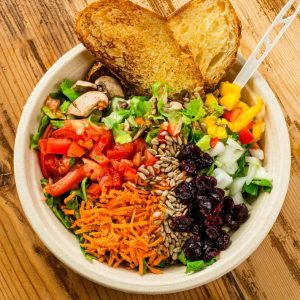
40 oz Compostable Fiber Bowls | Hot Food Safe to 120°F | Single-Material Bagasse Fiber
Read more -
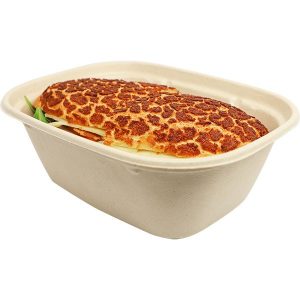
44 oz Compostable Fiber To-Go Boxes | Home Plant Fiber | Hot Food Safe to 200°F
Read more -
44 oz PLA-Lined Plant Fiber Fiber To-Go Boxes for Takeout, Delivery & Catering
Read more -
46 oz Compostable Food Containers for Foodservice & Catering
Read more -
46 oz Kraft Paper Food Containers for Foodservice & Catering
Read more -
48 oz Compostable Deli Containers, Hot Food Safe to 220°F
Read more -
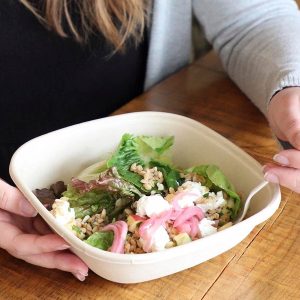
48 oz Compostable Fiber Bowls | Microwave & Freezer Ready | Home Plant Fiber
Read more -
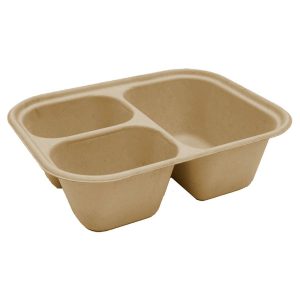
48 oz Compostable Fiber Lunch Trays — Home Plant Fiber
Read more -
48 oz Compostable PLA Lids — Hot Food Safe to 220°F
Read more -
48 oz Compostable PLA Lids for Takeout & Delivery
Read more -
48 oz Compostable Salad Bowls | Freezer-Safe Meal Prep | Hot Food Safe to 120°F
Read more -
48 oz Compostable Salad Bowls for Salads, Burritos & Hot Bowls
Read more -
48 oz PLA Bioplastic Deli Containers for Foodservice & Catering
Read more -
5 lb Compostable NoTree Paper Food Trays for Foodservice & Catering
Read more -
5 oz Compostable Cold Cups for Coffee Shops & Beverage Service
Read more -
5 oz Compostable Cold Cups for Coffee Shops & Beverage Service
Read more -
5 x 8″ Compostable Rectangular Bamboo Plates for Catering, Takeout & Foodservice
Read more -
5-Compt Compostable Fiber Bento Boxes for Foodservice & Catering
Read more -
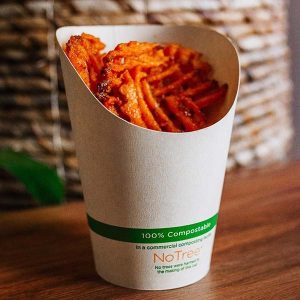
5.5 oz Compostable Food Containers for Foodservice & Catering
Read more -
5.5 x 3.25 x 13″ Compostable Custom Printed Kraft Recycled Paper Shopping Bags
Read more -
5.5 x 3.25 x 8.5″ Compostable Custom Printed Kraft Recycled Paper Shopping Bags
Read more -

5.5″ Compostable Bamboo Spatulas for Catering, Takeout & Foodservice
Read more -

5.5″ Compostable Medium Pinewood Food Boats for Catering, Takeout & Foodservice
Read more -
5.9″ Compostable Bamboo Paddle Picks for Catering, Takeout & Foodservice
Read more -
5″ Compostable Bamboo Leaf Spoons for Catering, Takeout & Foodservice
Read more -
50 oz Compostable Food Containers | Freezer-Safe Meal Prep | PLA-Lined for Liquids
Read more -
6 oz Compostable Bamboo Food Cones, Hot Food Safe to 220°F
Read more -
6 oz Compostable Cold Cups | Hot Food Safe to 110°F | Freezer-Safe Meal Prep
Read more -
6 oz Compostable Cold Cups, Hot Food Safe to 110°F
Read more -
6 oz Compostable Hot Cups | Hot Food Safe to 200°F | PLA-Lined for Liquids
Read more -
6 oz Compostable Hot Cups | Hot Food Safe to 220°F | PLA-Lined for Liquids
Read more -
6 oz Kraft Paper Food Containers for Foodservice & Catering
Read more -
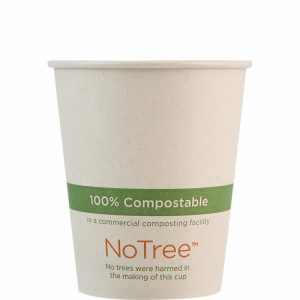
6 oz Kraft Paper Hot Cups for Coffee Shops & Beverage Service
Read more -
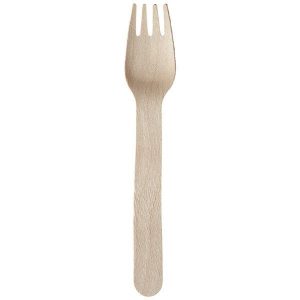
6.2″ Compostable Unwrapped Wooden Forks for Catering, Takeout & Foodservice
Read more -
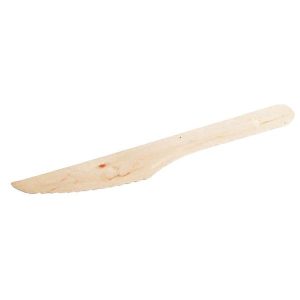
6.5″ Compostable Unwrapped Wooden Knives for Catering, Takeout & Foodservice
Read more -
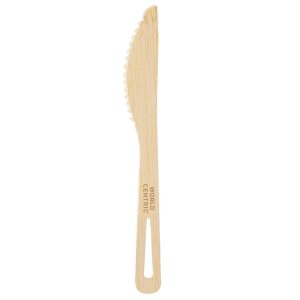
6.7″ Compostable Bamboo Knives for Catering, Takeout & Foodservice
Read more -
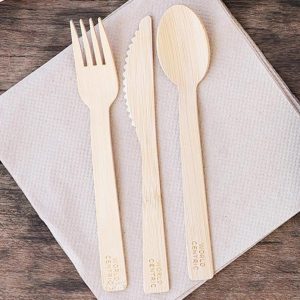
6.7″ Compostable Bamboo Utensil Sets Individually Wrapped w/Napkin
Read more -
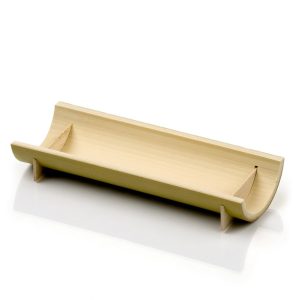
6″ Compostable Bamboo Food Canoes for Catering, Takeout & Foodservice
Read more -
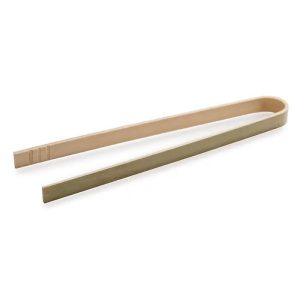
6″ Compostable Bamboo Serving Tongs for Catering, Takeout & Foodservice
Read more -
6″ Compostable Bamboo Twisted Knot Picks for Catering, Takeout & Foodservice
Read more -
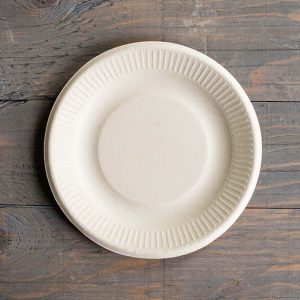
6″ Compostable Fiber Round Plates for Catering, Takeout & Foodservice
Read more -
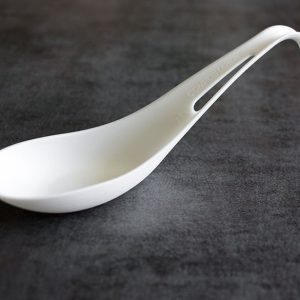
6″ Compostable tPLA Asian Soup Spoons for Catering, Takeout & Foodservice
Read more -
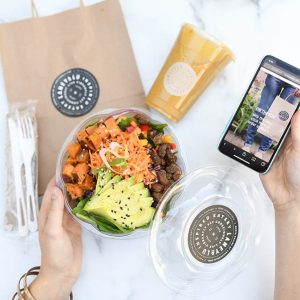
6″ Compostable tPLA Fork, Knife & Napkin Set Individually Wrapped
Read more -
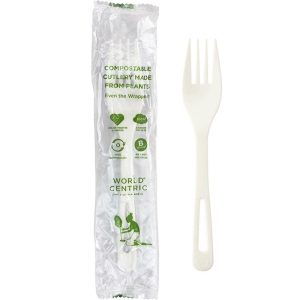
6″ Compostable tPLA Forks Individually Wrapped
Read more -
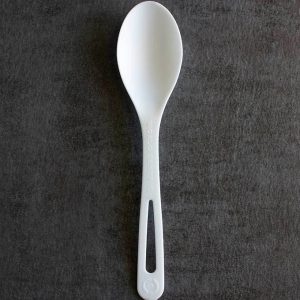
6″ Compostable tPLA Ice Cream Spoons for Catering, Takeout & Foodservice
Read more -
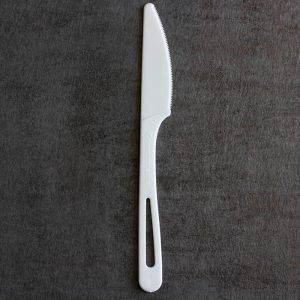
6″ Compostable tPLA Knives for Catering, Takeout & Foodservice
Read more -
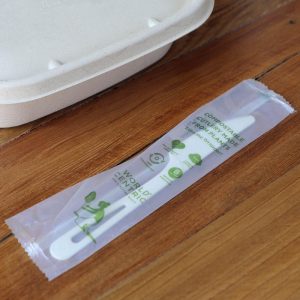
6″ Compostable tPLA Knives Individually Wrapped
Read more -
6″ Compostable tPLA Knives Touchless Dispenser Refills
Read more -
6″ Compostable tPLA Soup Spoons Individually Wrapped
Read more -
6″ Compostable tPLA Spoons for Catering, Takeout & Foodservice
Read more -
6″ Compostable tPLA Sporks for Catering, Takeout & Foodservice
Read more -
6″ Compostable tPLA Sporks Individually Wrapped
Read more -
6″ Compostable tPLA Utensil Set Individually Wrapped
Read more -
6″ Wrapped Compostable cPLA Fork & Knife Set w/ Napkin
Read more -
6″ Wrapped Compostable cPLA Forks for Catering, Takeout & Foodservice
Read more -
6″ Wrapped Compostable cPLA Utensil Set w/ Napkin
Read more -
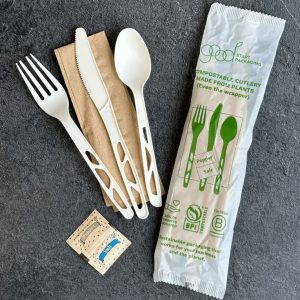
6″ Wrapped Compostable cPLA Utensil Set w/ Napkin, Salt & Pepper
Read more -
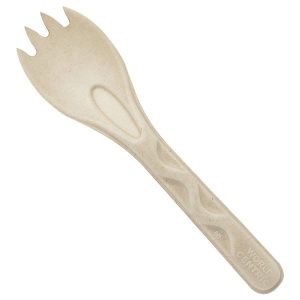
6” Compostable Fiber Sporks for Catering, Takeout & Foodservice
Read more -
60 oz Compostable Fiber Catering Trays, Hot Food Safe to 220°F
Read more -
64 Gallon Compostable Trash Bags — 0.90 Mil Plant-Based Toter Liners, Dual Certified
Read more -
64 oz Compostable Fiber Bowls for Salads, Burritos & Hot Bowls
Read more -
64 oz Compostable Food Containers, Hot Food Safe to 200°F
Read more -
64 oz PLA Bioplastic Juice Bottles for Cold-Pressed Juice, Smoothies & Kombucha
Read more -
7 oz Compostable Cold Cups — Hot Food Safe to 120°F
Read more -
7 oz Compostable Cold Cups | Hot Food Safe to 220°F
Read more -
7 oz Compostable Cold Cups, Hot Food Safe to 120°F
Read more -
7.5 oz Compostable Food Containers | Freezer-Safe Meal Prep | Hot Food Safe to 220°F
Read more -
7.5 oz Compostable Food Containers for Foodservice & Catering
Read more -
7.75″ Compostable PHA Smoothie Straws Individually Wrapped | 8 Inner Boxes
Read more -
7.75″ Compostable PHA Smoothie Straws Individually Wrapped | Single Box | 300/Box
Read more -
7.75″ Compostable PHA Standard Straws Individually Wrapped | Loose Case
Read more -
7″ Compostable Fiber Party Plates w/ Wine Glass Holder
Read more -
7″ Compostable Fiber Round Plates for Catering, Takeout & Foodservice
Read more -
7″ Compostable Square Bamboo Veneer Plates for Catering, Takeout & Foodservice
Read more -
7″ Made in USA Compostable Fiber Plates for Catering, Takeout & Foodservice
Read more -
75 oz Kraft Paper Food Containers for Foodservice & Catering
Read more -
7×5″ Compostable PLA Sushi Tray Containers w/ Clear Lids
Read more -
8 Gallon Compostable Trash Bags — 0.90 Mil Plant-Based, Home & Industrial Certified
Read more -
8 oz Compostable Cold Cups — Hot Food Safe to 200°F
Read more -
8 oz Compostable Deli Containers — Hot Food Safe to 120°F
Read more -
8 oz Compostable Deli Containers | Microwave & Freezer Ready | Hot Food Safe to 120°F
Read more -
8 oz Compostable Deli Containers, Hot Food Safe to 220°F
Read more -
8 oz Compostable Fiber Bowls | Hot Food Safe to 200°F | Microwave & Freezer Ready
Read more -
8 oz Compostable Fiber Bowls for Salads, Burritos & Hot Bowls
Read more -
8 oz Compostable Food Containers | Freezer-Safe Meal Prep | Hot Food Safe to 220°F
Read more -
8 oz Compostable Food Containers | Hot Food Safe to 220°F
Read more -
8 oz Compostable Food Containers | Hot Food Safe to 220°F | Microwave & Freezer Ready
Read more -
8 oz Compostable Food Containers, Hot Food Safe to 220°F
Read more -
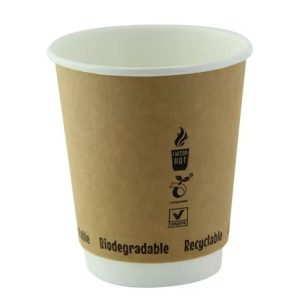
8 oz Compostable Hot Cups — Hot Food Safe to 220°F
Read more -
8 oz Compostable Hot Cups | Hot Food Safe to 180°F
Read more -
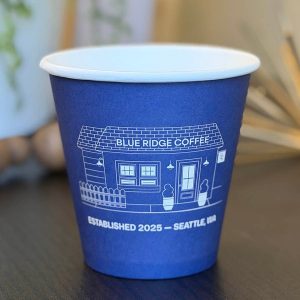
8 oz Compostable Hot Cups | Hot Food Safe to 200°F | Freezer-Safe Meal Prep
Read more -
8 oz Compostable Hot Cups | PLA-Lined for Liquids | Microwave & Freezer Ready
Read more -
8 oz Compostable Juice Bottles — Freezer-Safe Meal Prep
Read more -
8 oz Compostable Juice Bottles for Cold-Pressed Juice, Smoothies & Kombucha
Read more -
8 oz Kraft Paper Food Containers for Foodservice & Catering
Read more -
8 oz Kraft Paper Hot Cups for Coffee Shops & Beverage Service
Read more -
8 oz Kraft Paper Hot Cups for Coffee Shops & Beverage Service
Read more -

8 oz Kraft Paper Hot Cups for Coffee Shops & Beverage Service
Read more -
8 oz PLA Bioplastic PLA Lids for Takeout & Delivery
Read more -
8 x 5 x 10.25″ Compostable Custom Printed Kraft Recycled Paper Shopping Bags
Read more -
8 x 8″ Compostable Custom Printed Waxed Deli Paper
Read more -
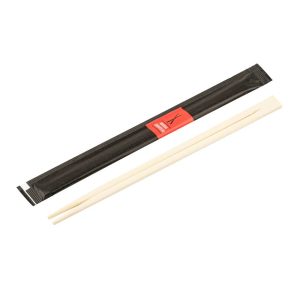
8.25″ Compostable Natural Bamboo Chopsticks w/ Black Paper Wrappers
Read more -
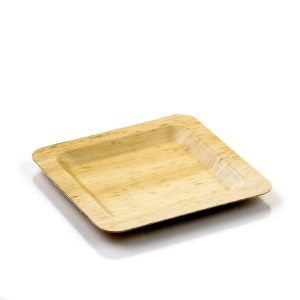
8″ Compostable Square Bamboo Leaf Plates for Catering, Takeout & Foodservice
Read more -
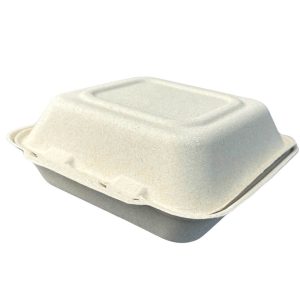
8×8″ Compostable Fiber Clamshell Containers for Foodservice & Catering
Read more -
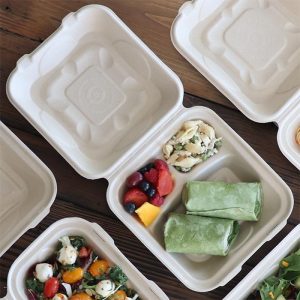
8x8x3″ 3-Compt Compostable Fiber Clamshells for Foodservice & Catering
Read more -

9 oz Compostable Cold Cups for Coffee Shops & Beverage Service
Read more -

9 oz Compostable Cold Cups, Hot Food Safe to 120°F
Read more -
9 oz PLA Bioplastic Cold Cups for Coffee Shops & Beverage Service
Read more -
9 oz PLA Bioplastic Cold Cups for Coffee Shops & Beverage Service
Read more -
9 x 12″ Custom Printed Compostable Deli Paper
Read more -
9.5″ Compostable Natural Bamboo Chopsticks w/ Paper Sleeves
Read more -
9.5″ Compostable Square Natural Bamboo Modern Chopsticks w/ Paper Bands
Read more -
9″ Compostable Fiber Round Plates for Catering, Takeout & Foodservice
Read more -
9″ Compostable Natural Bamboo Chopsticks w/ Black Paper Sleeves
Read more -
96 oz Compostable Food Containers — Hot Food Safe to 220°F
Read more -
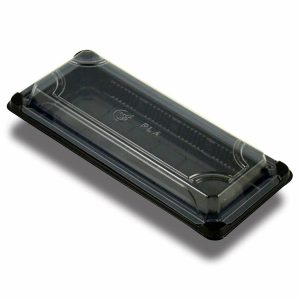
9×4″ Stalk Market Compostable PLA Sushi Tray Containers w/Clear Lids
Read more -
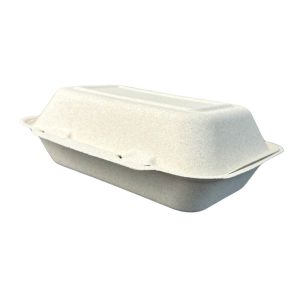
9×6″ Custom Printed Compostable Fiber Clamshell Containers
Read more -
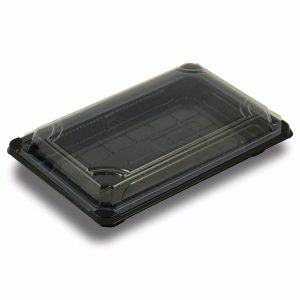
9×6″ Stalk Market Compostable PLA Sushi Tray Containers w/Clear Lids
Read more -
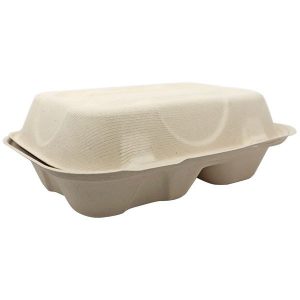
9x6x3″ 2-Compt Compostable Fiber Clamshells for Foodservice & Catering
Read more -
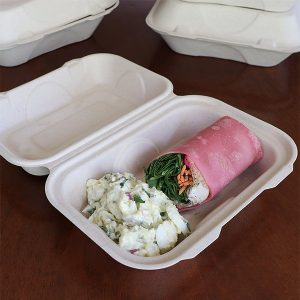
9x6x3″ Compostable PLA-Lined Fiber Hoagie Clamshells
Read more -
9x9x3″ 1-Compt Compostable Fiber Clamshells for Foodservice & Catering
Read more -
Bulk 13 Gallon Compostable Trash Bags — 200-Count Commercial Case, 0.90 Mil Dual Certified
Read more -
Bulk 2.6 Gallon Compostable Trash Bags — 800-Count Commercial Case, Dual Certified
Read more -
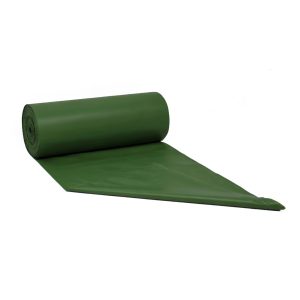
Bulk 33 Gallon Compostable Trash Bags — 160-Count Commercial Case for Landscaping, Events & Yard Waste Programs
Read more -
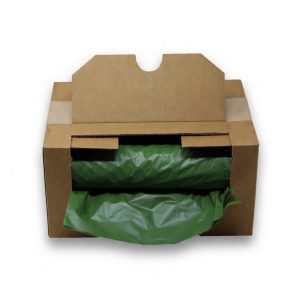
Bulk 64 Gallon Compostable Trash Bags — 60-Count Commercial Case for Municipalities, Events & Waste Haulers
Read more -
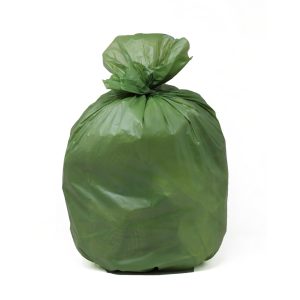
Bulk 8 Gallon Compostable Trash Bags — 400-Count Commercial Case, 0.90 Mil Dual Certified
Read more -
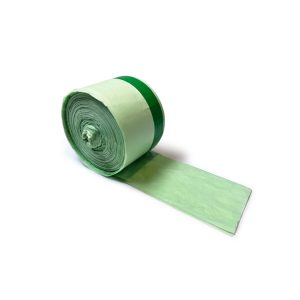
Certified Compostable Produce Bags on a Roll for Grocery & Retail
Read more -
Compostable 1 Gallon BioBag Resealable Food Storage Bags
Read more -
Compostable 1 Gallon BioBag Resealable Food Storage Bags for Foodservice & Catering
Read more -
Compostable 1 lb Bagcraft Kraft Coffee Bags w/PLA Windows for Foodservice & Catering
Read more -
Compostable 1 lb Bagcraft Kraft Coffee Bags w/PLA Windows for Foodservice & Catering
Read more -
Compostable 1 lb Bagcraft PLA-Lined Kraft Paper Coffee Bags
Read more -
Compostable 1 lb Bagcraft PLA-Lined Kraft Paper Coffee Bags for Foodservice & Catering
Read more -
Compostable 1 lb NoTree Paper Food Trays for Foodservice & Catering
Read more -
Compostable 1 Liter Round Clear Recyclable PET Juice Bottles for Cold-Pressed Juice, Smoothies
Read more -
Compostable 10 oz Round Energy Clear Recyclable PET Juice Bottles for Cold-Pressed Juice
Read more -
Compostable 10 oz Square Clear Recyclable PET Juice Bottles
Read more -
Compostable 10 oz Square WH Clear Recyclable PET Juice Bottles
Read more -
Compostable 10 x 8″ Zipper PLA Deli Bags w/ Saddle Pack for Foodservice & Catering
Read more -
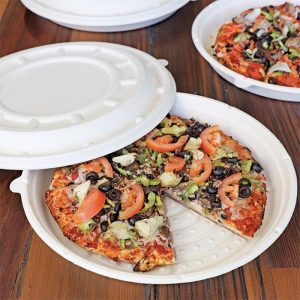
Compostable 10″ Fiber PizzaRound Pizza Lids for Takeout & Quick-Service
Read more -
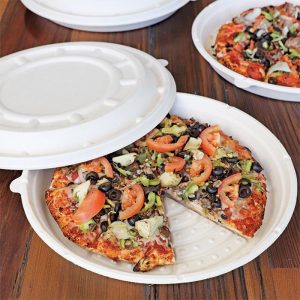
Compostable 10″ Fiber PizzaRound Pizza Tray Bases for Takeout & Quick-Service
Read more -
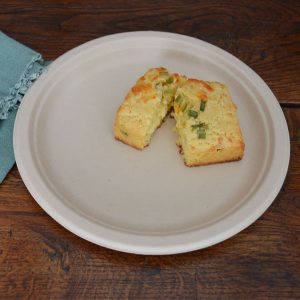
Compostable 10″ Fiber Round Plates for Catering, Events & Banquet Service
Read more -
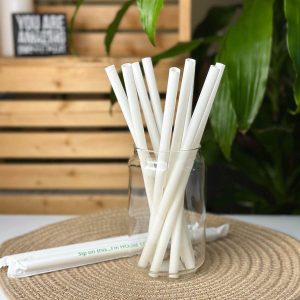
Compostable 10″ PHA Boba Straws 11mm Individually Wrapped — Hot Food Safe to 100°F
Read more -
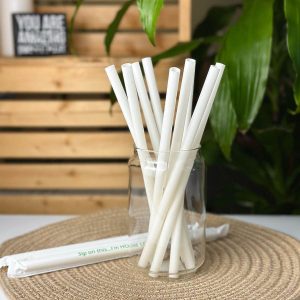
Compostable 10″ PHA Boba Straws 11mm Individually Wrapped, Hot Food Safe to 100°F
Read more -
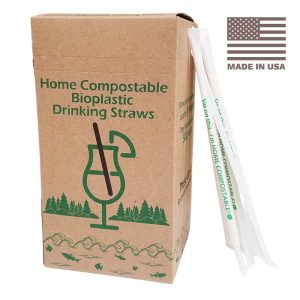
Compostable 10″ PHA Long Straws Individually Wrapped — Hot Food Safe to 100°F
Read more -
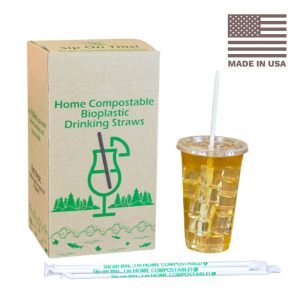
Compostable 10″ PHA Long Straws Individually Wrapped for Foodservice & Catering
Read more -
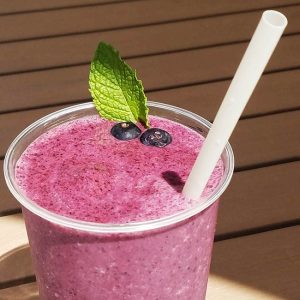
Compostable 10″ PHA Smoothie Straws Individually Wrapped | Hot Food Safe to 100°F
Read more -
Compostable 10″ PHA Smoothie Straws Individually Wrapped, Hot Food Safe to 100°F
Read more -
Compostable 11 x 17″ BioBag Produce Bags | Hot Food Safe to 220°F | Home Plant Fiber
Read more -
Compostable 11 x 17″ BioBag Produce Bags for Foodservice & Catering
Read more -
Compostable 12 oz NoTree Paper Hot Cups for Coffee Shops & Beverage Service
Read more -
Compostable 12 oz Round Energy Clear Recyclable PET Juice Bottles
Read more -
Compostable 12 oz Square Clear Recyclable PET Juice Bottles
Read more -
Compostable 12 oz Square Clear Recyclable PET Juice Bottles for Cold-Pressed Juice, Smoothies
Read more -
Compostable 12 oz Square WH Clear Recyclable PET Juice Bottles
Read more -
Compostable 12 oz Square WH Clear Recyclable PET Juice Bottles for Cold-Pressed Juice
Read more -

Compostable 12 oz White Paper Hot Cups for Coffee Shops & Beverage Service
Read more -
Compostable 12-Pack 2.5″ PLA Clear Mini Cupcake & Muffin Containers, Hot Food Safe to 220°F
Read more -
Compostable 12-Pack PLA Clear Macaron Containers, Hot Food Safe to 220°F
Read more -
Compostable 12″ Fiber Flatbread Pizza Boxes for Takeout, Delivery & Catering
Read more -
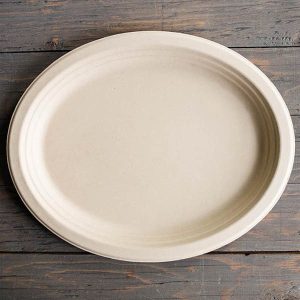
Compostable 12″ Fiber Oval Plates for Foodservice & Catering
Read more -
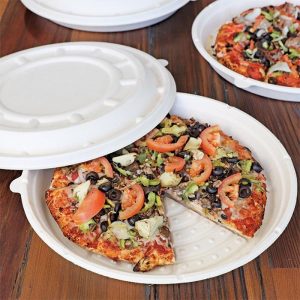
Compostable 12″ Fiber PizzaRound Pizza Lids for Takeout & Quick-Service
Read more -
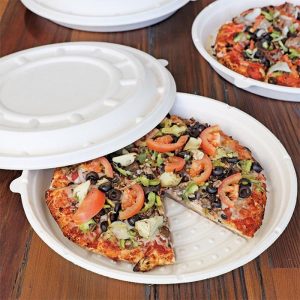
Compostable 12″ Fiber PizzaRound Pizza Tray Bases for Takeout & Quick-Service
Read more -
Compostable 13 Gallon BioBag Tall Kitchen Food Scrap Bags for Foodservice & Catering
Read more -
Compostable 13 Gallon BioBag Tall Kitchen Food Scrap Bags, Hot Food Safe to 220°F
Read more -
Compostable 13 Gallon BioBag Trash Bags Bags for Foodservice & Catering
Read more -
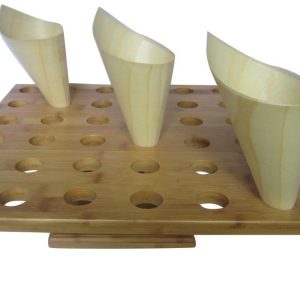
Compostable 13.5″ Square Bamboo Food Cone Stand — Bamboo for Hors d’Oeuvres, Tasting Menus
Read more -
Compostable 15 x 17″ BioBag Compact Roll Produce Bags for Foodservice & Catering
Read more -
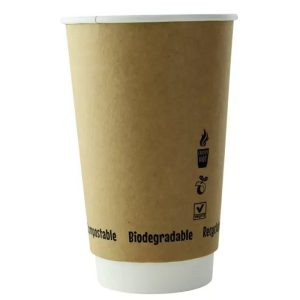
Compostable 16 oz Double Wall Kraft Paper Hot Cups for Coffee Shops & Beverage Service
Read more -
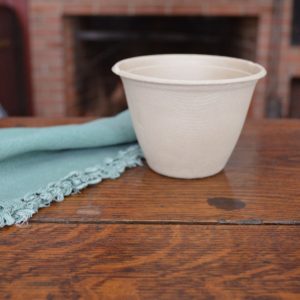
Compostable 16 oz Fiber Barrel Bowls for Salads, Burritos & Hot Bowls
Read more -
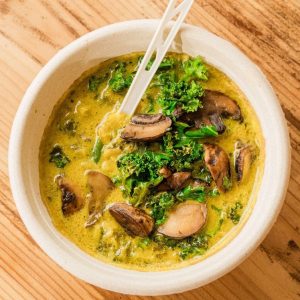
Compostable 16 oz Made in USA Fiber Round Bowls for Salads, Burritos & Hot Bowls
Read more -
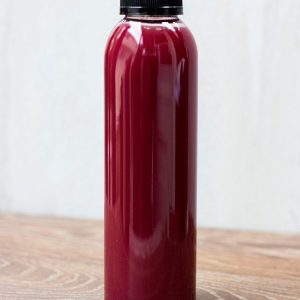
Compostable 16 oz Round Energy Clear Recyclable PET Juice Bottles for Cold-Pressed Juice
Read more -
Compostable 16 oz Square Clear Recyclable PET Juice Bottles for Cold-Pressed Juice, Smoothies
Read more -
Compostable 16 oz Square WH Clear Recyclable PET Juice Bottles for Cold-Pressed Juice
Read more -
Compostable 16 oz Square WH Clear Recyclable PET Juice Bottles for Cold-Pressed Juice
Read more -
Compostable 16 oz Stalk Market PLA Clear Hinged Clamshell Deli Containers for Foodservice
Read more -
Compostable 16 oz Tall NoTree Paper Bowls for Foodservice & Catering
Read more -
Compostable 16 oz Vegware Bella PLA Clear Round Deli Containers for Foodservice & Catering
Read more -
Compostable 16 oz White Paper Bowls for Foodservice & Catering
Read more -
Compostable 16 oz White Paper Hot Cups for Coffee Shops & Beverage Service
Read more -
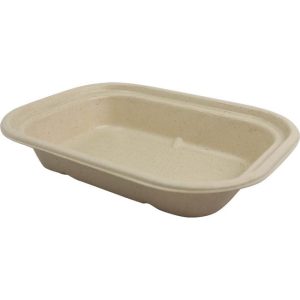
Compostable 17 oz PLA-Lined Fiber Trays 8×6″ for Schools, Cafeterias & Catering
Read more -
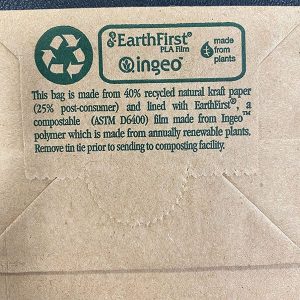
Compostable 2 lb Bagcraft PLA-Lined Kraft Paper Coffee Bags for Foodservice & Catering
Read more -
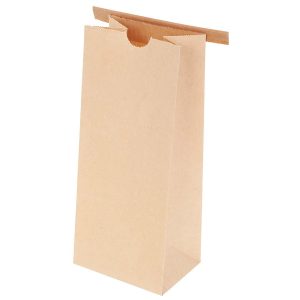
Compostable 2 lb Bagcraft PLA-Lined Kraft Paper Coffee Bags for Foodservice & Catering
Read more -
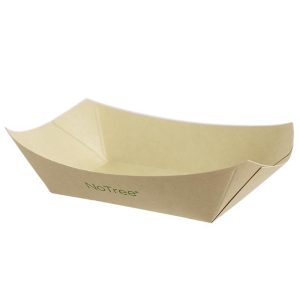
Compostable 2 lb NoTree Paper Food Trays for Foodservice & Catering
Read more -
Compostable 2-3 oz PLA Hanging Herb Clamshell Packaging for Foodservice & Catering
Read more -
Compostable 2-Compt Fiber Taco Clamshells for Takeout & Quick-Service
Read more -
Compostable 2-Compt Greenware PLA Clear On-The-Go Containers for Foodservice & Catering
Read more -
Compostable 2.25″ Small Bamboo Appetizer Plates, Hot Food Safe to 220°F
Read more -
Compostable 2.4″ Bamboo Mini Square Plates for Catering, Events & Banquet Service
Read more -
Compostable 2.5 x 0.75 x 6.75″ Clear Gusseted NatureFlex Cellophane Bags for Foodservice
Read more -
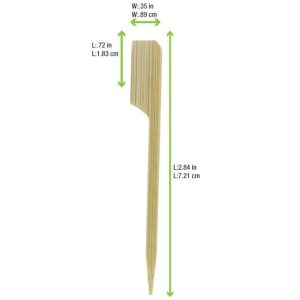
Compostable 2.8″ Bamboo Paddle Picks, Hot Food Safe to 220°F
Read more -
Compostable 23 Gallon BioBag Trash Bags for Foodservice & Catering
Read more -
Compostable 24 & 32 oz Fiber Burrito Bowl Lids — Hot Food Safe to 220°F
Read more -
Compostable 24 & 32 oz Fiber Round Bowl Lids for Salads, Burritos & Hot Bowls
Read more -
Compostable 24 & 32 oz PLA Clear Round Bowl Lids — Hot Food Safe to 220°F
Read more -
Compostable 24 oz Fiber Compost-A-Pak Containers
Read more -
Compostable 24 oz Fiber Square Bowls for Salads, Burritos & Hot Bowls
Read more -
Compostable 24 oz Made in USA Fiber Round Bowls for Salads, Burritos & Hot Bowls
Read more -
Compostable 29 oz 3-Compt Fiber Containers 10×7.5″ for Schools, Cafeterias
Read more -
Compostable 29 oz 3-Compt PLA-Lined Fiber Containers 10×7.5″ for Schools
Read more -
Compostable 3 Gallon BioBag Compost Bin Liner Bags
Read more -
Compostable 3 Gallon BioBag Small Food Scrap Bags | Hot Food Safe to 220°F | Freezer-Safe Meal
Read more -
Compostable 3 Gallon BioBag Small Food Scrap Bags | Hot Food Safe to 220°F | Home Plant Fiber
Read more -
Compostable 3 oz PLA Cold Cups — Plant-Based Tasting & Portion Cups
Read more -
Compostable 3 oz PLA Cup Inserts for 8-16 oz Vegware Bella Round Containers for Foodservice
Read more -
Compostable 3 x 8″ Clear Flat NatureFlex Cellophane Bags — Hot Food Safe to 220°F
Read more -
Compostable 3-Compt Greenware PLA Clear On-The-Go Containers for Foodservice & Catering
Read more -

Compostable 3.375 x 4.5″ Clear Flat NatureFlex Cellophane Bags for Foodservice & Catering
Read more -

Compostable 3.375 x 7.5″ Clear Flat NatureFlex Cellophane Bags, Hot Food Safe to 220°F
Read more -
Compostable 3.5 x 2.25 x 10″ Clear Gusseted NatureFlex Cellophane Bags — Hot Food Safe to 220°F
Read more -
Compostable 3.5″ Bamboo Buffet Forks — Hot Food Safe to 220°F
Read more -
Compostable 3.5″ Bamboo Loop Picks
Read more -
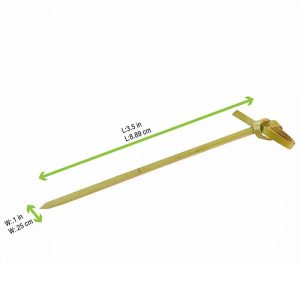
Compostable 3.5″ Bamboo Looped Skewers, Hot Food Safe to 220°F
Read more -
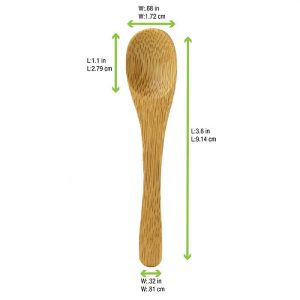
Compostable 3.5″ Bamboo Mini Tasting Spoons — Hot Food Safe to 220°F
Read more -
Compostable 3.5″ Bamboo Mini Tasting Spoons, Hot Food Safe to 220°F
Read more -
Compostable 3.5″ Bamboo Paddle Picks — Hot Food Safe to 220°F
Read more -
Compostable 3.5″ Bamboo Willow Food Picks — Bamboo for Appetizers, Hors d’Oeuvres & Catering
Read more -
Compostable 3.5″ Medium Bamboo Paddle Skewers
Read more -
Compostable 3.5″ Medium Rare Bamboo Paddle Skewers — Bamboo for Appetizers, Hors d’Oeuvres
Read more -
Compostable 3.5″ Medium Well Bamboo Paddle Skewers
Read more -
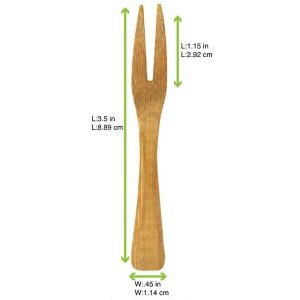
Compostable 3.5″ Mini Bamboo Forks for Catering, Takeout & Foodservice
Read more -
Compostable 3.5″ Mini Bamboo Tasting Forks | Hot Food Safe to 220°F
Read more -
Compostable 3.5″ Mini Black Bamboo Tasting Forks for Catering, Takeout & Foodservice
Read more -
Compostable 3.5″ Mini Kraft Cardboard Pizza & Bakery Boxes for Foodservice & Catering
Read more -
Compostable 3.5″ Rare Bamboo Paddle Skewers
Read more -
Compostable 3.5″ Round Bamboo Food Tubes — Hot Food Safe to 220°F
Read more -
Compostable 3.5″ Small Round Bamboo Plates for Catering, Events & Banquet Service
Read more -
Compostable 3.5″ Square Bamboo Leaf Plates | Hot Food Safe to 220°F
Read more -
Compostable 3.5″ Well Bamboo Paddle Skewers | Hot Food Safe to 220°F
Read more -
Compostable 3.75″ Fiber Mini Leaf Tasting Dishes for Catering, Takeout & Foodservice
Read more -
Compostable 3.75″ Mini Wooden Ice Cream Tasting Spoons | Hot Food Safe to 220°F
Read more -
Compostable 3.9″ Bamboo Appetizer Spoons, Hot Food Safe to 220°F
Read more -
Compostable 3″ Bamboo Willow Toothpicks, Hot Food Safe to 220°F
Read more -
Compostable 3″ Carved Bamboo Spoons for Catering, Takeout & Foodservice
Read more -
Compostable 3″ Single Clear PLA Cupcake & Muffin Containers — 300/Case
Read more -
Compostable 32 oz Fiber Burrito Bowls — Hot Food Safe to 220°F
Read more -
Compostable 32 oz Fiber Square Bowls for Salads, Burritos & Hot Bowls
Read more -
Compostable 32 oz GoodGuard Tamper Evident PLA Clear Clamshell Containers — Hot Food Safe to
Read more -
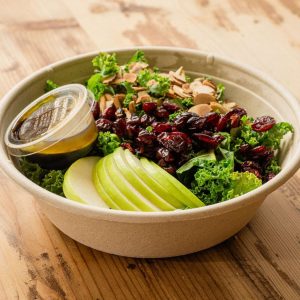
Compostable 32 oz Made in USA Fiber Round Bowls for Salads, Burritos & Hot Bowls
Read more -
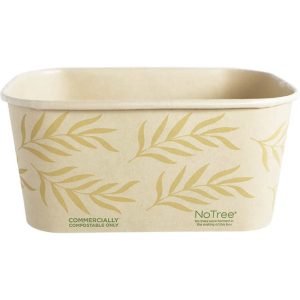
Compostable 32 oz NoTree Paper Rectangular Containers — Hot Food Safe to 220°F
Read more -
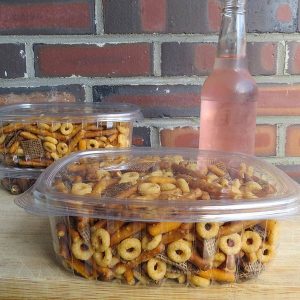
Compostable 32 oz PLA Clear Clamshell Deli Containers w/Lids for Foodservice & Catering
Read more -
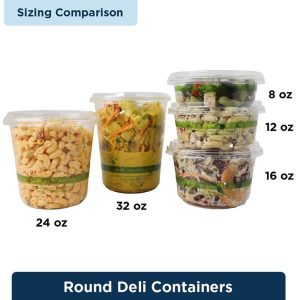
Compostable 32 oz PLA Clear Round Deli Containers for Foodservice & Catering
Read more -
Compostable 32 oz Square Clear Recyclable PET Juice Bottles for Cold-Pressed Juice, Smoothies
Read more -
Compostable 32 oz Square OSD Clear Recyclable PET Juice Bottles for Cold-Pressed Juice
Read more -
Compostable 32 oz Wide Fiber Round Bowls| Hot Food Safe to 200°F| Home Plant
Read more -
Compostable 33 Gallon BioBag Trash Bags | Hot Food Safe to 220°F | Freezer-Safe Meal Prep
Read more -
Compostable 36 oz Fiber Containers 10×7.5″ for Schools, Cafeterias & Catering
Read more -
Compostable 36 oz PLA-Lined Fiber Containers 10×7.5″ for Schools, Cafeterias
Read more -
Compostable 4 oz Natural Pinewood Food Cones — Bagasse Fiber for Hors d’Oeuvres, Tasting Menus
Read more -
Compostable 4 oz Round Energy Clear Recyclable PET Juice Bottles for Cold-Pressed Juice
Read more -
Compostable 4 oz Round Energy Clear Recyclable PET Juice Bottles for Cold-Pressed Juice
Read more -

Compostable 4 x 2 x 14″ Clear Gusseted NatureFlex Cellophane Baguette Bags for Foodservice
Read more -
Compostable 4 x 2.75 x 9″ Clear Gusseted NatureFlex Cellophane Bags for Foodservice & Catering
Read more -
Compostable 4 x 6″ Clear Flat NatureFlex Cellophane Bags for Foodservice & Catering
Read more -
Compostable 4-5 oz PLA Cold Cups — BPI & CMA Certified, Plant-Based
Read more -
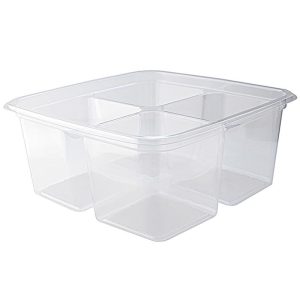
Compostable 4-Compt Greenware PLA Clear On-The-Go Containers for Foodservice & Catering
Read more -
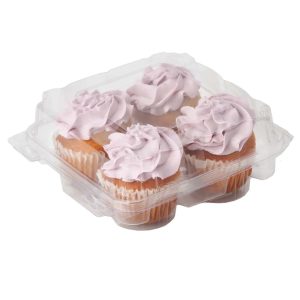
Compostable 4-Pack 2.5″ PLA Clear Cupcake & Muffin Containers for Foodservice & Catering
Read more -
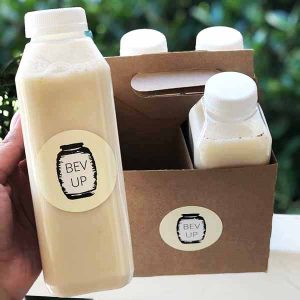
Compostable 4-Pack Kraft Paper Bottle Carriers for Cold-Pressed Juice, Smoothies & Kombucha
Read more -
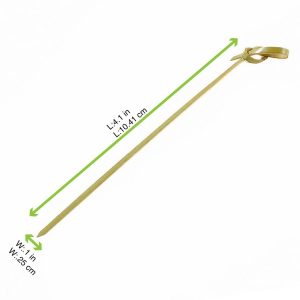
Compostable 4.1″ Bamboo Looped Skewers, Hot Food Safe to 220°F
Read more -
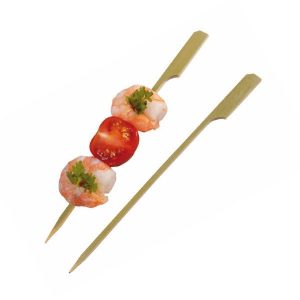
Compostable 4.1″ Bamboo Paddle Picks, Hot Food Safe to 220°F
Read more -
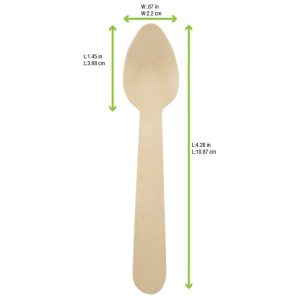
Compostable 4.3″ Mini Wooden Tasting Spoons, Hot Food Safe to 220°F
Read more -
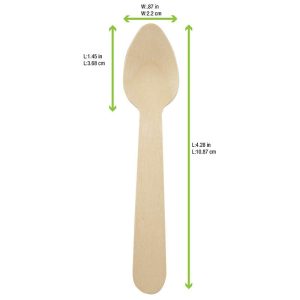
Compostable 4.3″ Wrapped Mini Wooden Tasting Spoons — Hot Food Safe to 220°F
Read more -
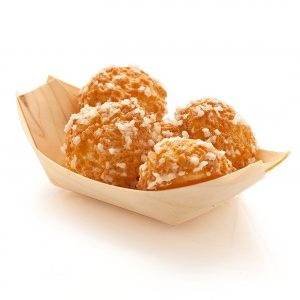
Compostable 4.5″ Small Pinewood Food Boats — Bagasse Fiber for Hors d’Oeuvres, Tasting Menus
Read more -
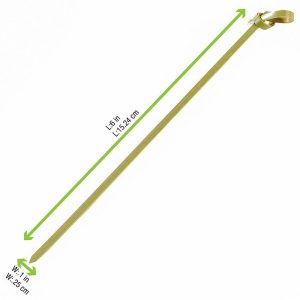
Compostable 4.7″ Bamboo Looped Skewers — Hot Food Safe to 220°F
Read more -
Compostable 4.7″ Bamboo Paddle Picks
Read more -
Compostable 4.75″ Small Bamboo Food Boats — Bamboo for Hors d’Oeuvres, Tasting Menus & Catering
Read more -
Compostable 4″ Bamboo Bow Tie Skewers, Hot Food Safe to 220°F
Read more -
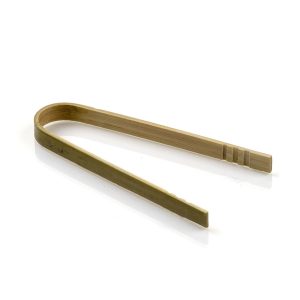
Compostable 4″ Bamboo Serving Tongs — Hot Food Safe to 220°F
Read more -
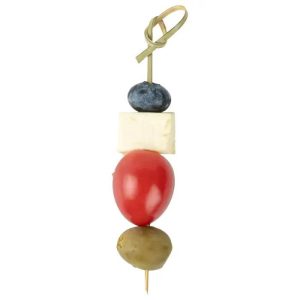
Compostable 4″ Bamboo Twisted Knot Picks
Read more -
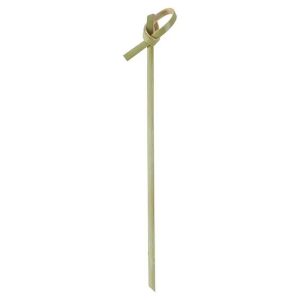
Compostable 4″ Knotted Bamboo Skewers, Hot Food Safe to 220°F
Read more -
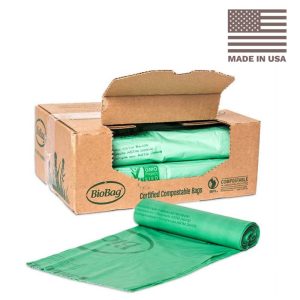
Compostable 44 Gallon BioBag Trash Bags for Foodservice & Catering
Read more -
Compostable 48 Gallon BioBag Trash Bags for Foodservice & Catering
Read more -
Compostable 48 oz Fiber Compost-A-Pak Containers for Takeout, Delivery & Catering
Read more -
Compostable 5 oz PLA Cold Cups — Certified Plant-Based Disposable Cups
Read more -
Compostable 5 x 7″ Clear Flat NatureFlex Cellophane Bags
Read more -
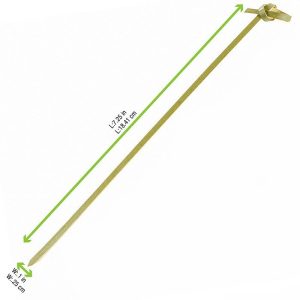
Compostable 5.9″ Bamboo Looped Skewers
Read more -
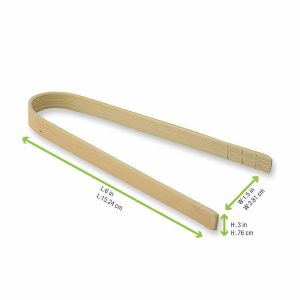
Compostable 5.9″ Bamboo Tongs — Hot Food Safe to 220°F
Read more -
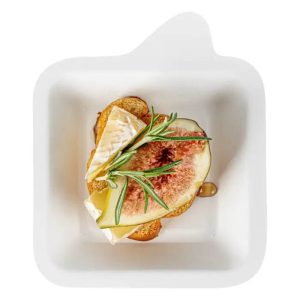
Compostable 5″ Fiber Small Square Tasting Plates | Hot Food Safe to 220°F
Read more -
Compostable 55 Gallon BioBag Trash Bags for Foodservice & Catering
Read more -
Compostable 6 x 2 x 9.5″ Clear Gusseted NatureFlex Cellophane Bags — Hot Food Safe to 220°F
Read more -
Compostable 6 x 3.5 x 15″ Clear Gusseted NatureFlex Cellophane Bags
Read more -
Compostable 6 x 8″ Clear Flat NatureFlex Cellophane Bags
Read more -
Compostable 6-Pack 2.25″ PLA Clear Mini Cupcake & Muffin Containers for Foodservice & Catering
Read more -
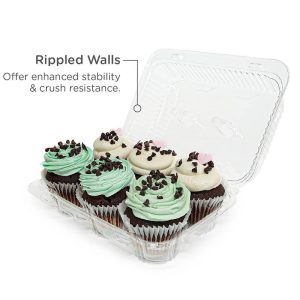
Compostable 6-pack 3.25″ PLA Clear Cupcake & Muffin Containers, Hot Food Safe to 220°F
Read more -
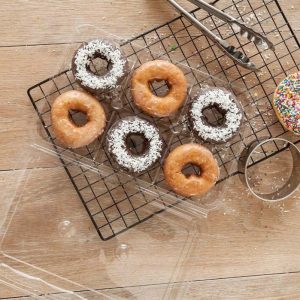
Compostable 6-Pack 3″ Good Natured PLA Clear Donut & Treat Containers for Foodservice
Read more -
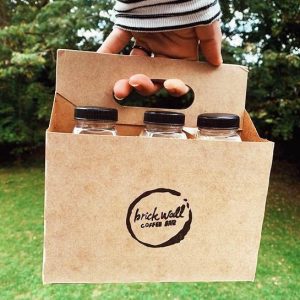
Compostable 6-Pack Kraft Paper Bottle Carriers
Read more -
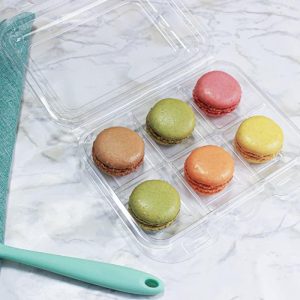
Compostable 6-Pack PLA Clear Macaron Containers | Hot Food Safe to 220°F | Freezer-Safe Meal
Read more -
Compostable 6.2″ Unwrapped Wooden Spoons, Hot Food Safe to 220°F
Read more -
Compostable 6.5″ Bamboo Flat Forks | Hot Food Safe to 220°F
Read more -
Compostable 6.5x1x8″ Bagcraft EcoCraft Paper Sandwich & Pastry Bags for Foodservice & Catering
Read more -
Compostable 6.5×2.5×9″ Bagcraft Kraft Food Bags w/ PLA Windows for Foodservice & Catering
Read more -
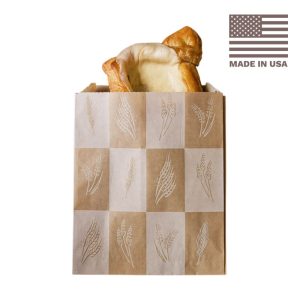
Compostable 6.5x2x8″ Bagcraft EcoCraft Grease-Resistant Paper Sandwich Bags for Foodservice
Read more -
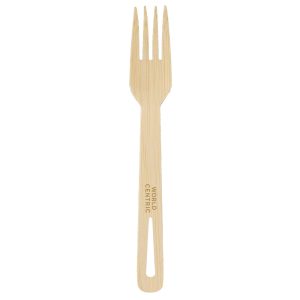
Compostable 6.7″ Bamboo Forks — Hot Food Safe to 220°F
Read more -
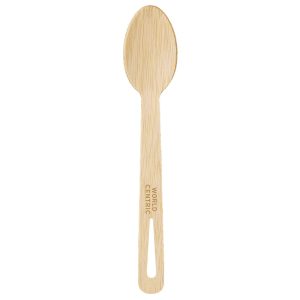
Compostable 6.7″ Bamboo Spoons, Hot Food Safe to 220°F
Read more -
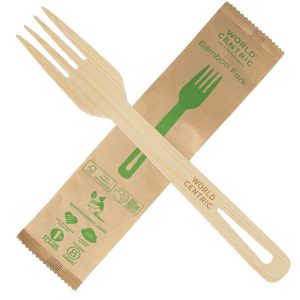
Compostable 6.7” Bamboo Forks Individually Wrapped
Read more -
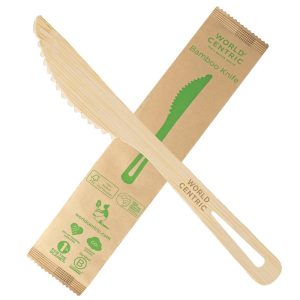
Compostable 6.7” Bamboo Knives Individually Wrapped
Read more -
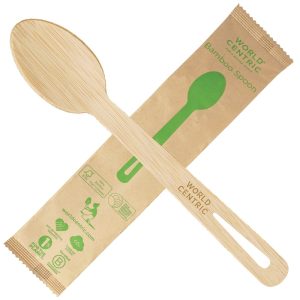
Compostable 6.7” Bamboo Spoons Individually Wrapped
Read more -
Compostable 6″ Bamboo Curly Skewers — Hot Food Safe to 220°F
Read more -
Compostable 6″ Fiber Spoons, Hot Food Safe to 220°F
Read more -
Compostable 6″ Fiber Square Plates for Foodservice & Catering
Read more -
Compostable 6″ Knotted Bamboo Skewers | Hot Food Safe to 220°F
Read more -
Compostable 6″ PHA Cocktail Stirrer Straws for Foodservice & Catering
Read more -
Compostable 6″ PHA Cocktail Stirrer Straws, Hot Food Safe to 100°F
Read more -
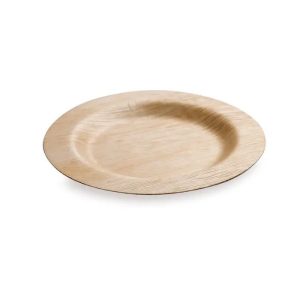
Compostable 6″ Round Bamboo Plates for Catering, Events & Banquet Service
Read more -
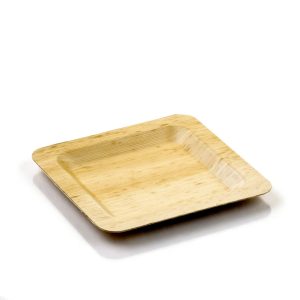
Compostable 6″ Square Bamboo Leaf Plates for Catering, Events & Banquet Service
Read more -
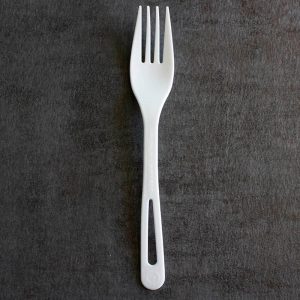
Compostable 6″ tPLA Forks for Catering, Takeout & Foodservice
Read more -
Compostable 6″ tPLA Forks Touchless Dispenser Refills — Hot Food Safe to 200°F
Read more -
Compostable 6″ tPLA Soup Spoons for Catering, Takeout & Foodservice
Read more -
Compostable 6″ tPLA Spoons Individually Wrapped for Catering, Takeout
Read more -
Compostable 6″ tPLA Spoons Touchless Dispenser Refills — Hot Food Safe to 200°F
Read more -
Compostable 60 oz Fiber Trays 10×7.5″ for Schools, Cafeterias & Catering
Read more -
Compostable 64 Gallon BioBag Trash Bags for Foodservice & Catering
Read more -
Compostable 64 oz Pinch Clear Recyclable PET Juice Bottles for Cold-Pressed Juice, Smoothies
Read more -
Compostable 64 oz PLA Clear Rectangular Deli Containers for Takeout & Delivery
Read more -
Compostable 6x.75×6.5″ Bagcraft EcoCraft Grease-Resistant Paper Food Bags for Foodservice
Read more -
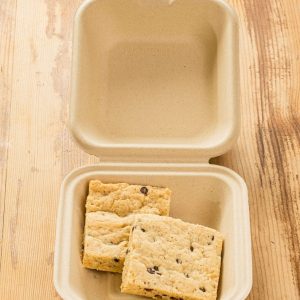
Compostable 6×6″ Fiber Burger Clamshells Containers for Takeout & Quick-Service
Read more -
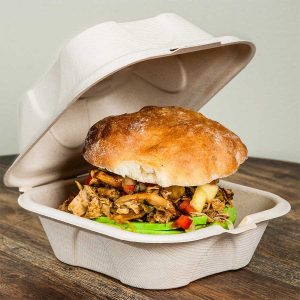
Compostable 6x6x3″ Fiber Burger Clamshells for Takeout & Quick-Service
Read more -
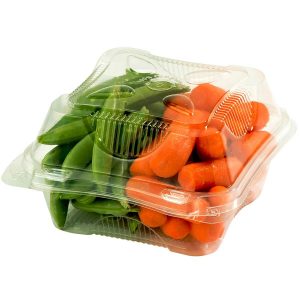
Compostable 6x6x3″ PLA Clear Clamshell Containers for Foodservice & Catering
Read more -
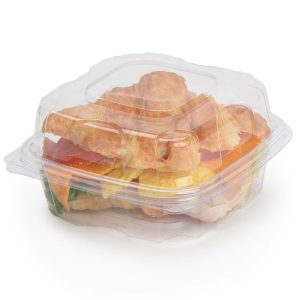
Compostable 6x6x3″ PLA Clear Clamshell Containers for Foodservice & Catering
Read more -
Compostable 7 x 8.75″ Clear Flat NatureFlex Cellophane Bags for Foodservice & Catering
Read more -
Compostable 7.25″ Bamboo Food Boats — Bamboo for Hors d’Oeuvres, Tasting Menus & Catering
Read more -
Compostable 7.75″ PHA Standard Straws Individually Wrapped | Hot Food Safe to 100°F
Read more -
Compostable 7.75″ PHA Standard Straws Individually Wrapped for Foodservice & Catering
Read more -
Compostable 7.75″ PLA & Coffee Ground Smoothie Straws Individually Wrapped for Foodservice
Read more -
Compostable 7″ Round Bamboo Veneer Plates for Catering, Events & Banquet Service
Read more -
Compostable 7×5″ 2-Compt Fiber Chip & Dip Trays for Schools, Cafeterias
Read more -
Compostable 7x7x3″ PLA Clear Clamshell Containers
Read more -
Compostable 8 Gallon BioBag Compost Bin Liner Bags for Foodservice & Catering
Read more -
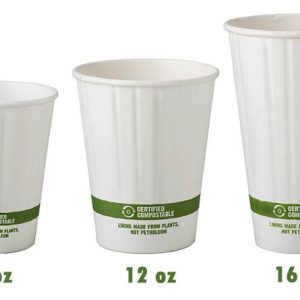
Compostable 8 oz Double Wall Paper Hot Cups for Coffee Shops & Beverage Service
Read more -
Compostable 8 oz Fiber Hot Cup Sip Lids for Coffee Shops & Beverage Service
Read more -
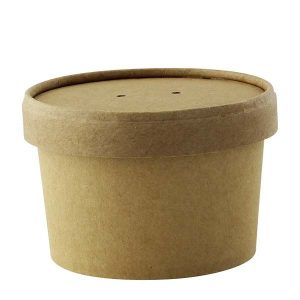
Compostable 8 oz Kraft Paper Ice Cream/Soup Containers w/ Lids for Foodservice & Catering
Read more -
Compostable 8 oz Round Energy Clear Recyclable PET Juice Bottles for Cold-Pressed Juice
Read more -
Compostable 8 oz Square Clear Recyclable PET Juice Bottles for Cold-Pressed Juice, Smoothies
Read more -
Compostable 8 oz Stalk Market PLA Clear Hinged Clamshell Deli Containers for Foodservice
Read more -
Compostable 8 oz Vegware Bella PLA Clear Round Deli Containers for Foodservice & Catering
Read more -
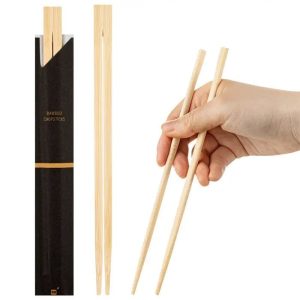
Compostable 8.25″ Natural Bamboo Chopsticks w/ Black Paper Sleeves for Sushi Bars, Asian
Read more -

Compostable 8.5 x 18″ Flat Cellophane Bags — Hot Food Safe to 220°F
Read more -
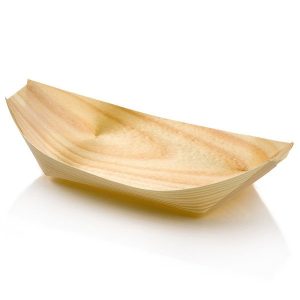
Compostable 8.75″ Large Pinewood Food Boats — Bagasse Fiber for Hors d’Oeuvres, Tasting Menus
Read more -
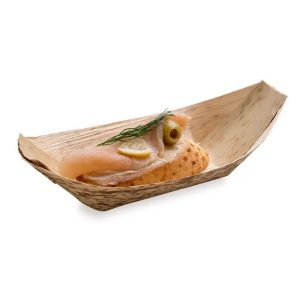
Compostable 8″ Bamboo Food Boats
Read more -
Compostable 8″ Bamboo Paddle Skewers | Hot Food Safe to 220°F
Read more -
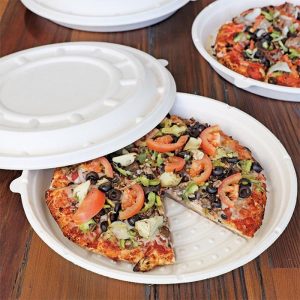
Compostable 8″ Fiber PizzaRound Pizza Lids for Takeout & Quick-Service
Read more -
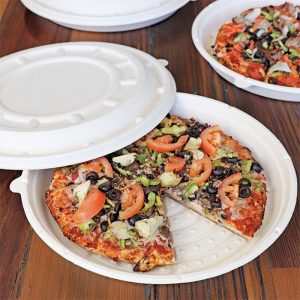
Compostable 8″ Fiber PizzaRound Pizza Tray Bases for Takeout & Quick-Service
Read more -
Compostable 8″ Fiber Square Plates for Foodservice & Catering
Read more -
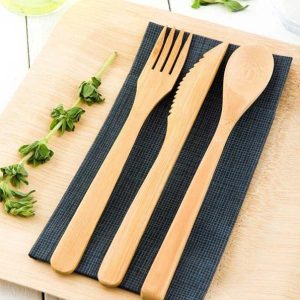
Compostable 8″ Full-Sized Bamboo Cutlery Set Individually Wrapped — Hot Food Safe to 220°F
Read more -
Compostable 8″ Premium Bamboo Forks | Hot Food Safe to 220°F
Read more -
Compostable 8×8″ 3-Compt Fiber Clamshell Containers for Takeout & Quick-Service
Read more -
Compostable 8×8″ Fiber Linear Takeout Containers for Schools, Cafeterias
Read more -
Compostable 8x8x3″ Fiber Clamshells for Takeout & Quick-Service
Read more -
Compostable 8x8x3″ PLA Clear Clamshell Containers for Foodservice & Catering
Read more -
Compostable 8x8x3″ PLA-Lined Fiber Clamshells for Takeout & Quick-Service
Read more -
Compostable 8x8x3″ Vegware PLA Clamshell Containers w/ Green Tint for Foodservice & Catering
Read more -
Compostable 9.1″ PLA & Coffee Ground 12mm Boba Straws Individually Wrapped for Foodservice
Read more -
Compostable 9.25″ Green PLA/PBAT 11mm Boba Straws Paper Wrapped | Hot Food Safe to 100°F
Read more -
Compostable 9.25″ Green PLA/PBAT 11mm Boba Straws Unwrapped | Hot Food Safe to 100°F
Read more -
Compostable 9.8″ Square Bamboo Dinner Plates | Hot Food Safe to 220°F
Read more -
Compostable 9″ 3-Compt Fiber Round Plates for Foodservice & Catering
Read more -
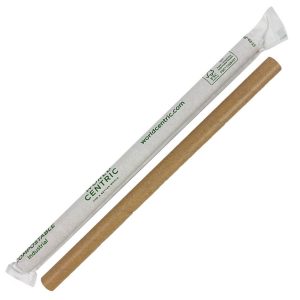
Compostable 9″ Kraft Paper 12mm Boba Straws Individually Wrapped for Foodservice & Catering
Read more -
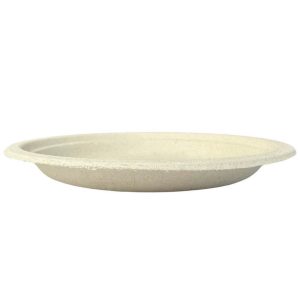
Compostable 9″ Made in USA Fiber Plates for Takeout & Quick-Service
Read more -
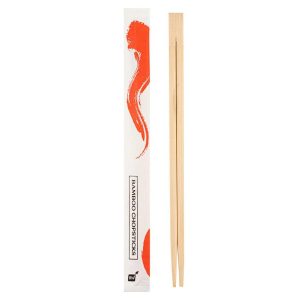
Compostable 9″ Natural Bamboo Chopsticks w/ Paper Wrappers for Sushi Bars, Asian Cuisine
Read more -
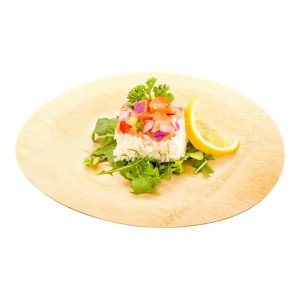
Compostable 9″ Round Bamboo Veneer Plates for Catering, Events & Banquet Service
Read more -
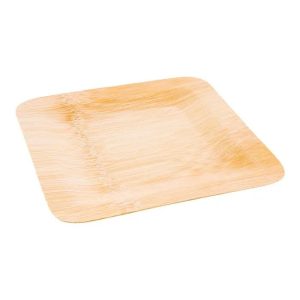
Compostable 9″ Square Bamboo Veneer Plates for Catering, Events & Banquet Service
Read more -
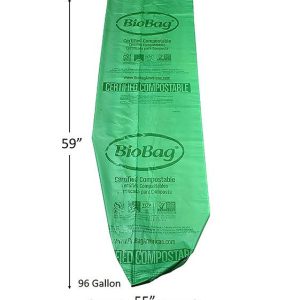
Compostable 96 Gallon BioBag Trash Bags for Foodservice & Catering
Read more -
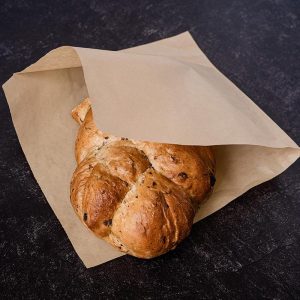
Compostable 9×10″ Bagcraft EcoCraft Paper Cone Basket Liners — 1,000/Case
Read more -
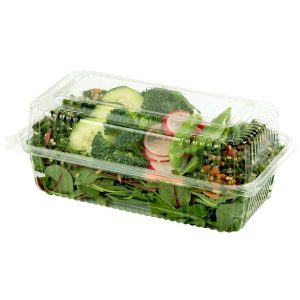
Compostable 9x5x3″ PLA Clear Clamshell Containers for Foodservice & Catering
Read more -
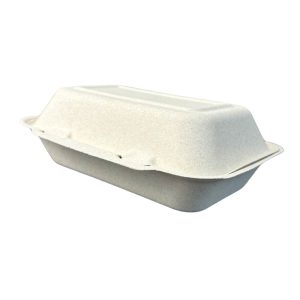
Compostable 9×6″ Fiber Clamshell Containers
Read more -
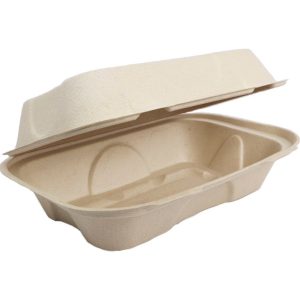
Compostable 9x6x3″ Fiber Hoagie Clamshells for Takeout & Quick-Service
Read more -
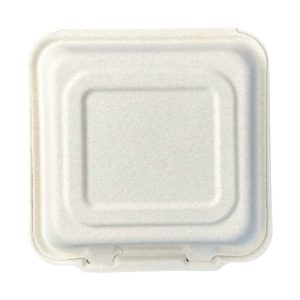
Compostable 9×9″ Fiber Clamshell Containers for Takeout & Quick-Service
Read more -
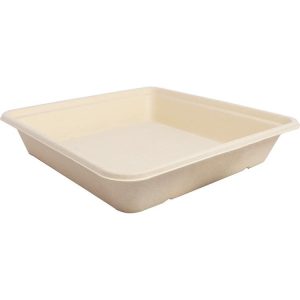
Compostable 9×9″ Fiber Linear Takeout Containers for Schools, Cafeterias
Read more -
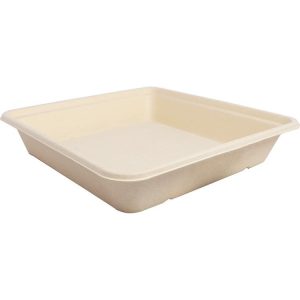
Compostable 9×9″ PLA-Lined Fiber Linear Takeout Containers for Schools
Read more -
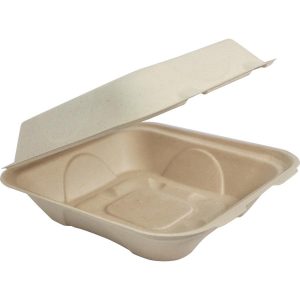
Compostable 9x9x3″ 1-Compt Heavy Weight Fiber Clamshells for Takeout
Read more -
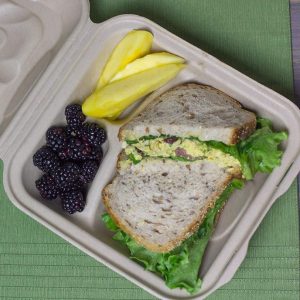
Compostable 9x9x3″ 3-Compt Fiber Clamshells for Takeout & Quick-Service
Read more -
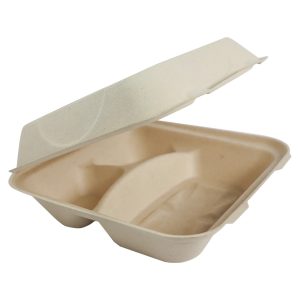
Compostable 9x9x3″ 3-Compt PLA-Lined Fiber Clamshells
Read more -
Compostable BioBag Resealable Sandwich Bags | 12 Box Case
Read more -
Compostable BioBag Resealable Sandwich Bags | 25/Box
Read more -
Compostable Black Paper Linen-Feel Dinner Napkins
Read more -
Compostable CPLA Lids for 8 oz Paper Bowls for Foodservice & Catering
Read more -
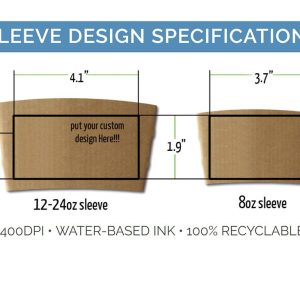
Compostable Custom Printed 90% Recycled Paper Hot Cup Sleeves
Read more -
Compostable Custom Printed Paper Catering Tray Sleeves for Half-Size Catering Trays
Read more -
Compostable Custom Printed Paper Sleeves for TR-SC-60 Trays
Read more -
Compostable Custom Printed Paper Sleeves for U10 Fiber Trays
Read more -
Compostable Custom Printed Paper Sleeves for U8 Fiber Trays
Read more -
Compostable Dog Poop Bags – 60 Count Starter Pack, Certified & Extra Thick
Read more -
Compostable Duro 12# SOS Bags Dubl Life Recycled Paper | 7×4.5×13.75″ | 500/bundle
Read more -
Compostable Duro 2# SOS Bags Dubl Life Recycled Paper | 4.3×2.4×7.9″ | 500/bundle
Read more -
Compostable Duro 4# SOS Bags Dubl Life Recycled Paper | 5x3x9.75″ | 500/bundle
Read more -
Compostable Duro 8# SOS Bags Dubl Life Recycled Paper | 6x4x12.4″ | 500/bundle
Read more -
Compostable Duro Bistro Dubl Life Recycled Paper Shopping Bags | 10×6.75×12″
Read more -
Compostable Duro Gem Dubl Life Recycled Paper Shopping Bags | 5.25×3.25×8.4″
Read more -
Compostable Duro Jr.Mart Dubl Life Recycled Paper Shopping Bags | 13x7x13″
Read more -
Compostable Duro Mart Dubl Life Recycled Paper Shopping Bags | 13x7x17″
Read more -
Compostable Duro Missy Dubl Life Recycled Paper Shopping Bags | 10x5x13″
Read more -
Compostable Duro Super Royal Dubl Life Recycled Paper Shopping Bags | 14x10x16″
Read more -
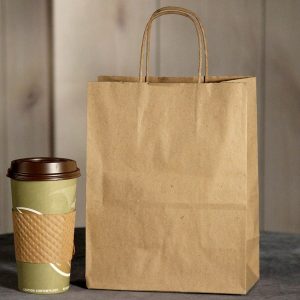
Compostable Duro Tempo Dubl Life Recycled Paper Shopping Bags | 8×4.5×10.25″
Read more -
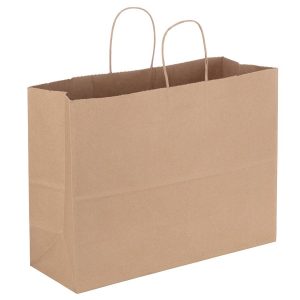
Compostable Duro Tote Dubl Life Recycled Paper Shopping Bags | 16x6x12″
Read more -
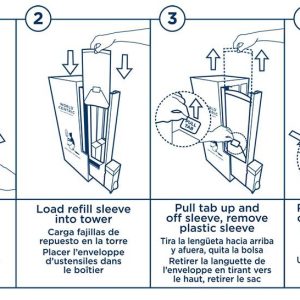
Compostable Empty Bamboo Cutlery Dispenser Cabinet | No Towers Included
Read more -
Compostable Fiber Lids for 10×7.5″ Fiber Containers for Schools, Cafeterias
Read more -
Compostable Fiber Lids for 12-32 oz Paper Bowls for Salads, Burritos & Hot Bowls
Read more -
Compostable Fiber Lids for 16-32 oz Fiber Bowls | Hot Food Safe to 200°F | Home Plant Fiber
Read more -
Compostable Fiber Lids for 24-48 oz Fiber Square Bowls for Salads, Burritos
Read more -
Compostable Fiber Lids for 32 oz Burrito Bowls — Hot Food Safe to 220°F
Read more -
Compostable Fiber Lids for 32 oz Wide Fiber Bowls for Salads, Burritos & Hot Bowls
Read more -
Compostable Fiber Lids for 6.5×5″ Fiber Tray for Foodservice & Catering
Read more -
Compostable Fiber Lids for 8.7×6.7″ Fiber Boxes
Read more -
Compostable Fiber Lids for 8×6″ Fiber Trays for Foodservice & Catering
Read more -
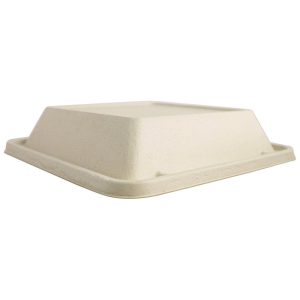
Compostable Fiber Lids for 9×9 Fiber Linear Takeout Containers for Schools, Cafeterias
Read more -
Compostable Fiber Taco Divider Inserts for Linear Containers
Read more -
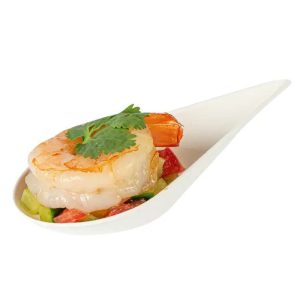
Compostable Fiber Teardrop Tasting Spoons for Catering, Takeout & Foodservice
Read more -
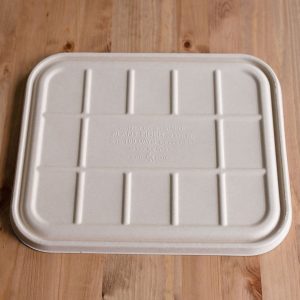
Compostable Flat Fiber Lids for 104-120 oz Fiber Catering Trays| Hot Food Safe
Read more -
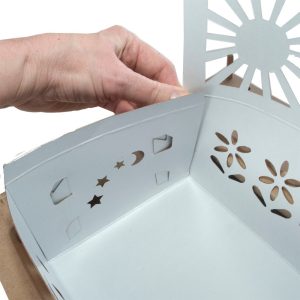
Compostable Folding Fixtures for Sustainable Produce Containers
Read more -
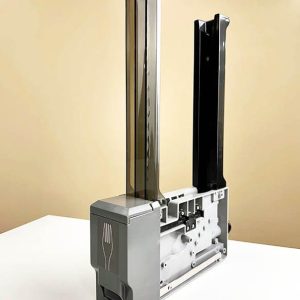
Compostable Fork Cartridge for Touchless Dispenser | 1 Tower
Read more -
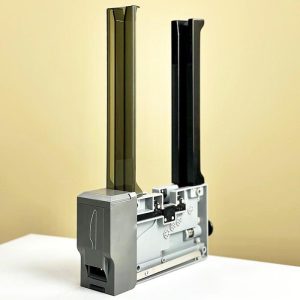
Compostable Knife Cartridge for Touchless Dispenser | 1 Tower
Read more -
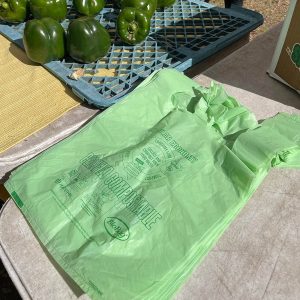
Compostable Large BioBag Handled Shopping Bags, Hot Food Safe to 220°F
Read more -
Compostable Low Profile Pint Reversible Paper Clamshell Produce Box Containers
Read more -
Compostable Master Tray Cardboard Shipper Boxes for Produce Containers
Read more -
Compostable Medium BioBag Handled Shopping Bags for Foodservice & Catering
Read more -
Compostable Napluxe Black Organic Cotton Disposable Cocktail Napkin
Read more -
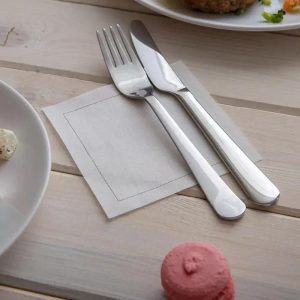
Compostable Napluxe Ecru Organic Cotton Disposable Cocktail Napkin
Read more -
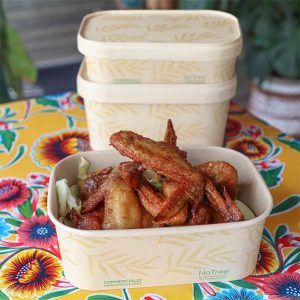
Compostable NoTree Paper Lids for Rectangular Containers
Read more -
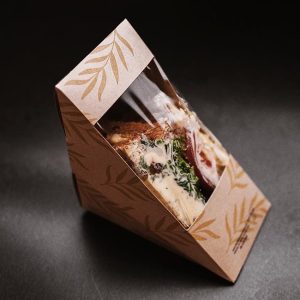
Compostable NoTree Paper Sandwich Wedge Boxes w/ PLA Window
Read more -
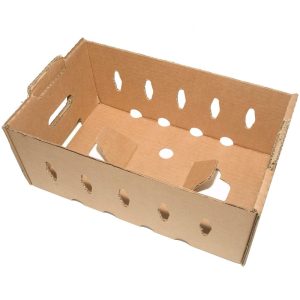
Compostable Pallet of Small Master Tray Cardboard Shipper Boxes for Foodservice & Catering
Read more -
Compostable Paper Catering Tray Sleeves for Half-Size Fiber Catering Trays
Read more -
Compostable Paper Tray Sleeves for U10 Fiber Trays
Read more -
Compostable Paper Tray Sleeves for U8 Fiber Trays
Read more -
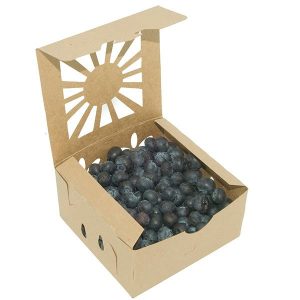
Compostable Pint Kraft Paper Clamshell Produce Box Containers
Read more -
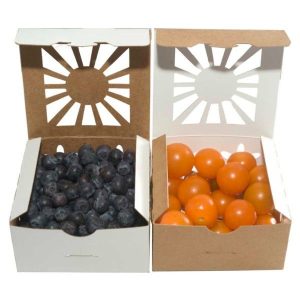
Compostable Pint Reversible Paper Clamshell Produce Box Containers
Read more -
Compostable PLA Flat Lids for 8.7×6.7″ Fiber Boxes for Takeout, Delivery
Read more -
Compostable PLA Lids for 10×7.5″ Fiber Containers
Read more -
Compostable PLA Lids for 24-48oz Fiber Square Bowls for Salads, Burritos & Hot
Read more -
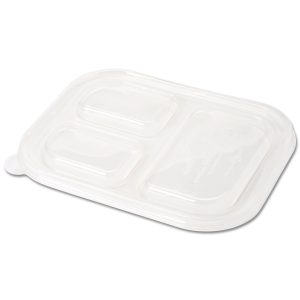
Compostable PLA Lids for 3-Compt 10×7.5″ Fiber Containers, Hot Food Safe to 220°F
Read more -
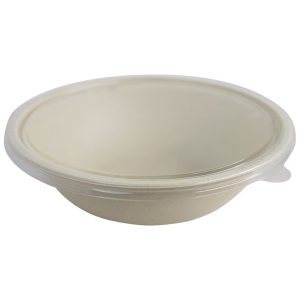
Compostable PLA Lids for 32 oz Wide Fiber Bowls for Salads, Burritos & Hot Bowls
Read more -
Compostable PLA Lids for 48-64 oz Rectangular Deli Containers for Takeout
Read more -
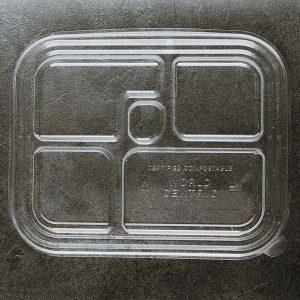
Compostable PLA Lids for 5-Compt Bento Boxes for Foodservice & Catering
Read more -
Compostable PLA Lids for 8-32 oz Round Deli Containers — 1000-Count Bulk Case for Takeout
Read more -
Compostable PLA Lids for 8-32 oz Round Deli Containers — 600-Count Standard Case for Takeout
Read more -
Compostable PLA Lids for 8.7×6.7″ Fiber Boxes for Takeout, Delivery & Catering
Read more -
Compostable PLA Lids for 8×6″ 2-Compt Fiber Trays
Read more -
Compostable PLA Lids for 8×6″ Fiber Trays for Foodservice & Catering
Read more -
Compostable PLA Lids for 9×9″ Linear Fiber Containers for Schools, Cafeterias
Read more -
Compostable PLA Lids for Greenware On-The-Go Containers
Read more -
Compostable PLA-Lined Fiber Meat & Produce Trays | No PFAS | 8.3×4.9″
Read more -
Compostable Quart Kraft Paper Clamshell Produce Box Containers
Read more -
Compostable Quart Reversible Paper Clamshell Produce Box Containers
Read more -
Compostable Recycled Paper Kraft 2-ply Dinner Napkins
Read more -
Compostable Recycled Paper Kraft 2-Ply Lunch Napkins
Read more -
Compostable Recycled Paper Kraft Beverage Napkins
Read more -
Compostable RPET Lids for 24 & 32 oz Good Start Round Fiber Bowls for Salads, Burritos & Hot
Read more -
Compostable Single 3.75″ PLA Clear Dessert Clamshell Containers, Hot Food Safe to 220°F
Read more -
Compostable Small BioBag Handled Shopping Bags for Foodservice & Catering
Read more -
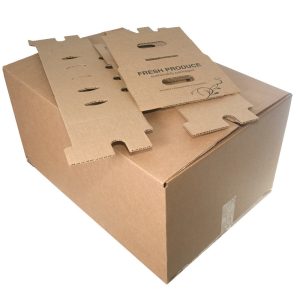
Compostable Small Master Tray Cardboard Shipper Boxes for Produce Containers for Foodservice
Read more -
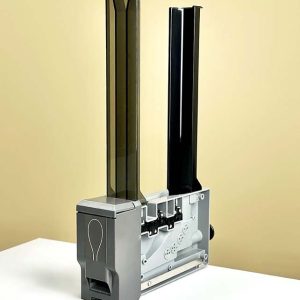
Compostable Spoon Cartridge for Touchless Dispenser | 1 Tower
Read more -
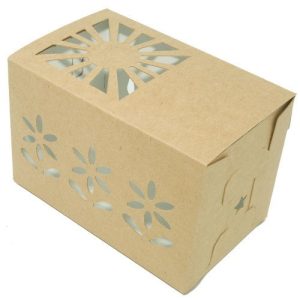
Compostable Tall 1.5 Quart Reversible Paper Clamshell Produce Box Containers
Read more -
Compostable Tamper Evident Caps for Juice Bottles 38mm DBJ
Read more -
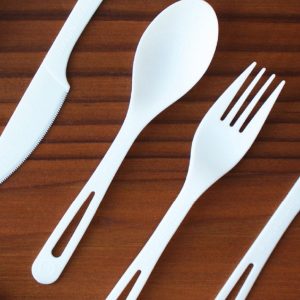
Compostable Touchless Utensil Dispenser | Fork, Knife, Spoon | 1 Unit
Read more -
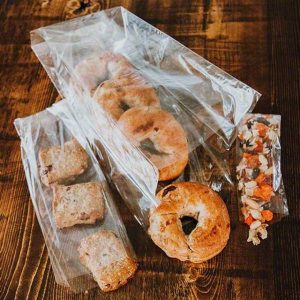
Custom Size Compostable Cellophane Bags | 10,000 Bag Min.
Read more -
Hot Food to 105°F 4 oz Compostable Coffee Cup Lids for Takeout & Delivery
Read more -
Hot Food to 105°F 4 oz Compostable PLA Lids for Takeout & Delivery
Read more -
Hot Food to 120°F 16 oz Compostable Deli Containers for Foodservice & Catering
Read more -
Hot Food to 120°F 8 oz Compostable Deli Containers for Foodservice & Catering
Read more -
Hot Food to 120°F 9 oz Compostable Cold Cups for Coffee Shops & Beverage Service
Read more -
Hot Food to 180°F 20 oz Compostable Hot Cups for Coffee Shops & Beverage Service
Read more -
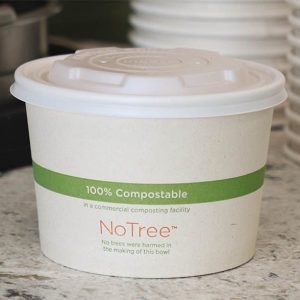
Hot Food to 180°F 32 oz Compostable Food Containers for Foodservice & Catering
Read more -
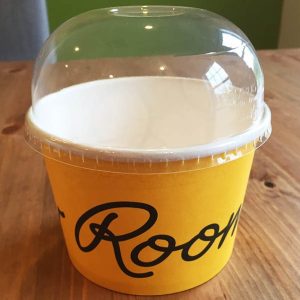
Hot Food to 180°F 32 oz Compostable PLA Lids for Takeout & Delivery
Read more -
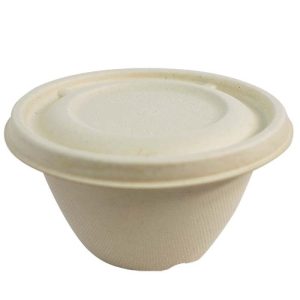
Hot Food to 200°F 12 oz Compostable Fiber Bowls for Salads, Burritos & Hot Bowls
Read more -
Hot Food to 200°F 20 oz Compostable Hot Cups for Coffee Shops & Beverage Service
Read more -
Hot Food to 200°F 4 oz Compostable Coffee Cup Lids for Takeout & Delivery
Read more -

Hot Food to 200°F 4 oz Compostable Hot Cups for Coffee Shops & Beverage Service
Read more -
Hot Food to 220°F 1 oz Compostable Food Containers for Foodservice & Catering
Read more -
Hot Food to 220°F 10 oz Compostable Deli Containers for Foodservice & Catering
Read more -
Hot Food to 220°F 12 oz Compostable Food Containers for Foodservice & Catering
Read more -
Hot Food to 220°F 130 oz Compostable Food Containers for Foodservice & Catering
Read more -
Hot Food to 220°F 2 oz Compostable Food Containers for Foodservice & Catering
Read more -
Hot Food to 220°F 2 oz Compostable Plates for Catering, Events & Banquet Service
Read more -
Hot Food to 220°F 24 oz Compostable Deli Containers for Foodservice & Catering
Read more -
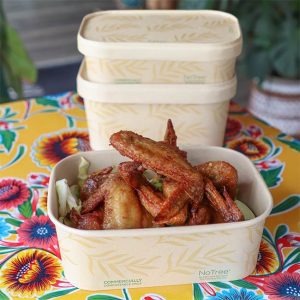
Hot Food to 220°F 24 oz Compostable Food Containers for Foodservice & Catering
Read more -
Hot Food to 220°F 24 oz Compostable PLA Lids for Takeout & Delivery
Read more -
Hot Food to 220°F 32 oz Compostable Deli Containers for Foodservice & Catering
Read more -
Hot Food to 220°F 4 oz Compostable Cold Cups for Coffee Shops & Beverage Service
Read more -

Hot Food to 220°F 4 oz Compostable Food Containers for Foodservice & Catering
Read more -
Hot Food to 220°F 64 oz Compostable Fiber Bowls for Salads, Burritos & Hot Bowls
Read more -
Hot Food to 220°F 95 oz Compostable Food Containers for Foodservice & Catering
Read more -
Microwave & Freezer Safe 12 oz Compostable Deli Containers for Foodservice & Catering
Read more -
PLA-Lined 12 oz Compostable Food Containers, Hot Food Safe to 220°F
Read more -
PLA-Lined 12 oz Compostable Hot Cups for Coffee Shops & Beverage Service
Read more -
PLA-Lined 12 oz Compostable Hot Cups, Hot Food Safe to 220°F
Read more -
PLA-Lined 12 oz Compostable Hot Cups, Hot Food Safe to 220°F
Read more -
PLA-Lined 12 oz Compostable Hot Cups, Hot Food Safe to 220°F
Read more -
PLA-Lined 16 oz Compostable Food Containers, Hot Food Safe to 220°F
Read more -
PLA-Lined 16 oz Compostable Food Containers, Hot Food Safe to 220°F
Read more -
PLA-Lined 16 oz Compostable Food Containers, Hot Food Safe to 220°F
Read more -
PLA-Lined 16 oz Compostable Hot Cups for Coffee Shops & Beverage Service
Read more -
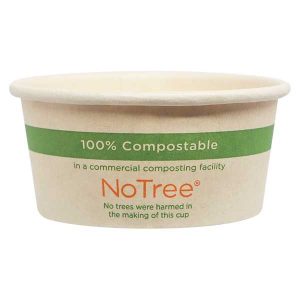
PLA-Lined 2 oz Compostable PLA Lids for Takeout & Delivery
Read more -
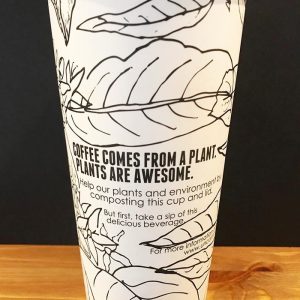
PLA-Lined 20 oz Compostable Hot Cups, Hot Food Safe to 200°F
Read more -
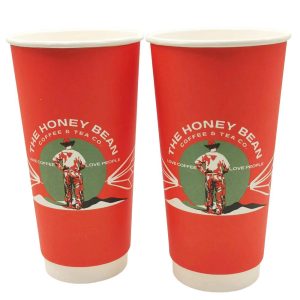
PLA-Lined 20 oz Compostable Hot Cups, Hot Food Safe to 200°F
Read more -
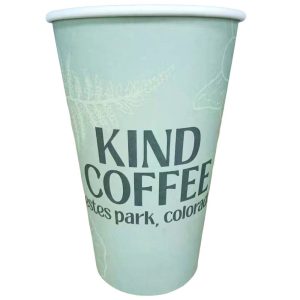
PLA-Lined 20 oz Compostable Hot Cups, Hot Food Safe to 200°F
Read more -
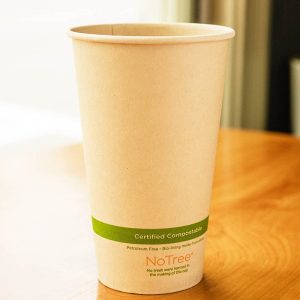
PLA-Lined 20 oz Compostable Hot Cups, Hot Food Safe to 220°F
Read more -
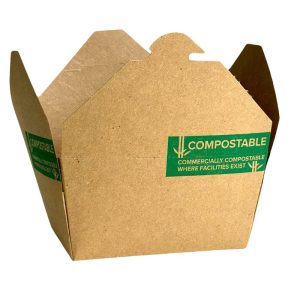
PLA-Lined 22 oz Compostable Food Containers for Foodservice & Catering
Read more -
PLA-Lined 24 oz Compostable Food Containers, Hot Food Safe to 220°F
Read more -
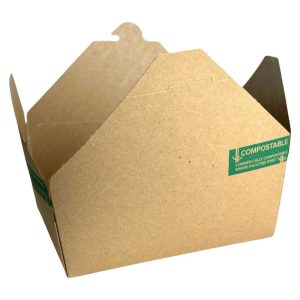
PLA-Lined 29 oz Compostable Food Containers, Hot Food Safe to 220°F
Read more -
PLA-Lined 32 oz Compostable Fiber Catering Trays, Hot Food Safe to 220°F
Read more -
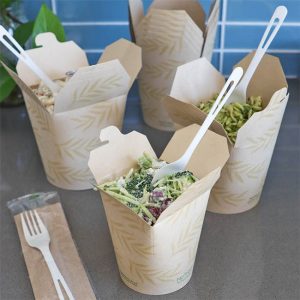
PLA-Lined 32 oz Compostable Food Containers for Foodservice & Catering
Read more -
PLA-Lined 32 oz Compostable Food Containers, Hot Food Safe to 220°F
Read more -
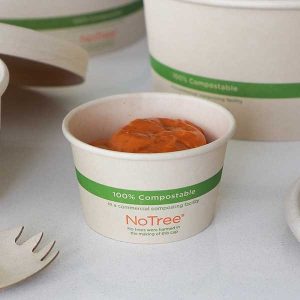
PLA-Lined 4 oz Compostable Food Containers for Foodservice & Catering
Read more -
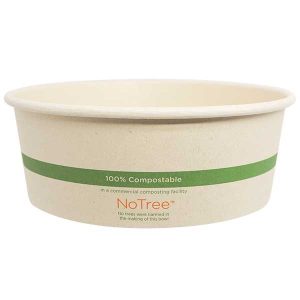
PLA-Lined 42 oz Compostable Fiber Bowls for Salads, Burritos & Hot Bowls
Read more -
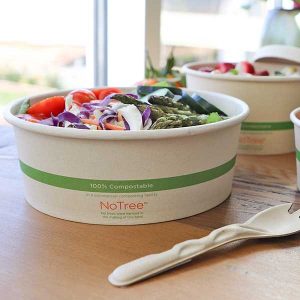
PLA-Lined 42 oz Compostable Fiber Bowls, Hot Food Safe to 220°F
Read more -
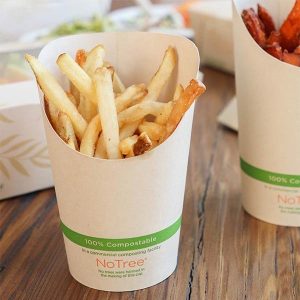
PLA-Lined 5.5 oz Compostable Food Containers, Hot Food Safe to 220°F
Read more -
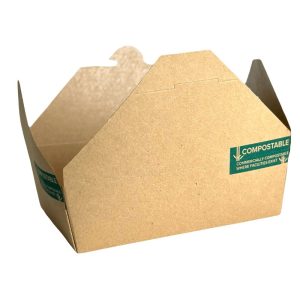
PLA-Lined 56 oz Compostable Food Containers, Hot Food Safe to 220°F
Read more -
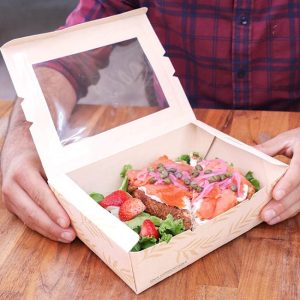
PLA-Lined 65 oz Compostable Food Containers, Hot Food Safe to 220°F
Read more -
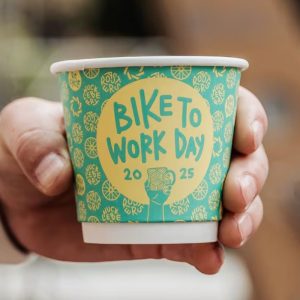
PLA-Lined 8 oz Compostable Hot Cups for Coffee Shops & Beverage Service
Read more -
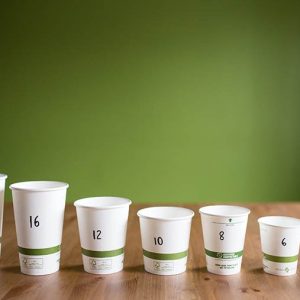
PLA-Lined 8 oz Compostable Hot Cups, Hot Food Safe to 200°F
Read more -
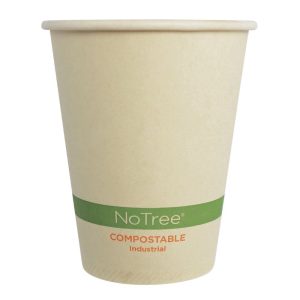
PLA-Lined 8 oz Compostable Hot Cups, Hot Food Safe to 220°F
Read more -
Plant-Based 4 oz Compostable Juice Bottles for Cold-Pressed Juice, Smoothies & Kombucha
Read more -
Plant-Based Compostable Dog Poop Bags — Certified Leak-Proof & Extra Thick
Read more -
Sustainable 12 oz Fiber Bowls — Bagasse Fiber for Salads, Burritos & Hot Bowls
Read more -
Sustainable 12 oz Food Containers — Kraft Paper for Foodservice & Catering
Read more -

Sustainable 12 oz Hot Cups — Kraft Paper for Coffee Shops & Beverage Service
Read more -
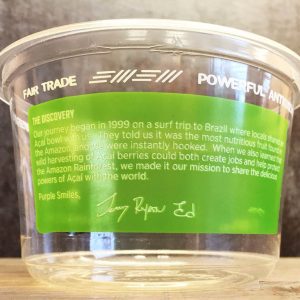
Sustainable 16 oz Deli Containers — PLA Bioplastic for Foodservice & Catering
Read more -
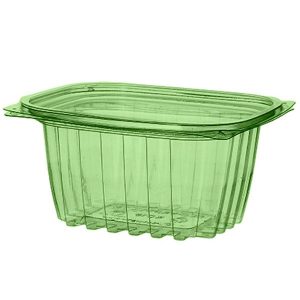
Sustainable 16 oz Deli Containers — PLA Bioplastic for Foodservice & Catering
Read more -
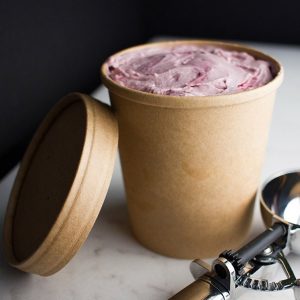
Sustainable 16 oz Food Containers — Bagasse Fiber for Foodservice & Catering
Read more -
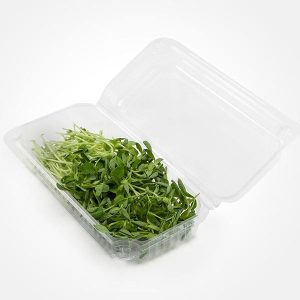
Sustainable 16 oz Food Containers — PLA Bioplastic for Foodservice & Catering
Read more -
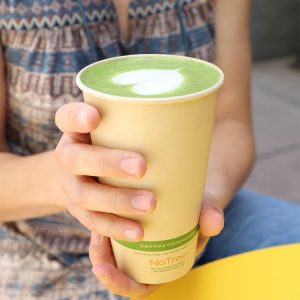
Sustainable 16 oz Hot Cups — Kraft Paper for Coffee Shops & Beverage Service
Read more -
Sustainable 16 oz Hot Cups — Kraft Paper for Coffee Shops & Beverage Service
Read more -

Sustainable 16 oz Hot Cups — Kraft Paper for Coffee Shops & Beverage Service
Read more -
Sustainable 18 oz Fiber Bowls — Bagasse Fiber for Salads, Burritos & Hot Bowls
Read more -
Sustainable 2 oz Coffee Cup Lids — PLA Bioplastic for Takeout & Delivery
Read more -
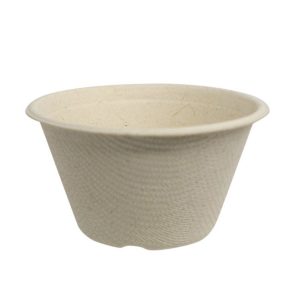
Sustainable 2 oz Fiber Lids — Bagasse Fiber for Takeout & Delivery
Read more -
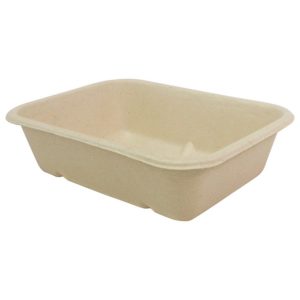
Sustainable 20 oz Fiber Lunch Trays — Bagasse Fiber for Schools, Cafeterias & Catering
Read more -
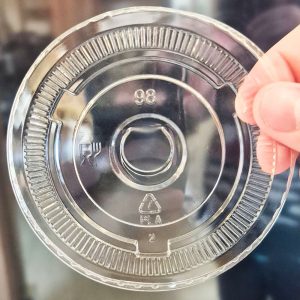
Sustainable 24 oz Cold Cups — PLA Bioplastic for Coffee Shops & Beverage Service
Read more -
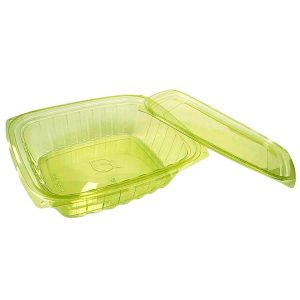
Sustainable 24 oz Deli Containers — PLA Bioplastic for Foodservice & Catering
Read more -
Sustainable 24 oz Fiber Bowls — Bagasse Fiber for Salads, Burritos & Hot Bowls
Read more -
Sustainable 24 oz Fiber Bowls — Kraft Paper for Salads, Burritos & Hot Bowls
Read more -
Sustainable 24 oz Food Containers — PLA Bioplastic for Foodservice & Catering
Read more -
Sustainable 24 oz PLA Lids — PLA Bioplastic for Takeout & Delivery
Read more -
Sustainable 26 oz Food Containers — Kraft Paper for Foodservice & Catering
Read more -
Sustainable 32 oz Deli Containers — PLA Bioplastic for Foodservice & Catering
Read more -
Sustainable 32 oz Fiber Catering Trays — Kraft Paper for Foodservice & Catering
Read more -
Sustainable 32 oz Salad Bowls — PLA Bioplastic for Salads, Burritos & Hot Bowls
Read more -
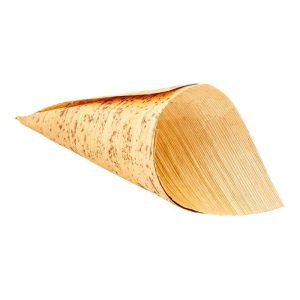
Sustainable 4 oz Bamboo Food Cones — Bamboo for Hors d’Oeuvres, Tasting Menus & Catering
Read more -
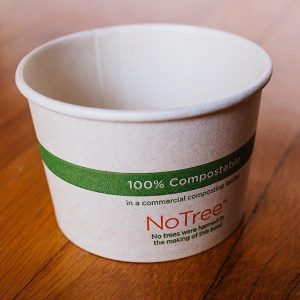
Sustainable 4 oz Food Containers — Kraft Paper for Foodservice & Catering
Read more -
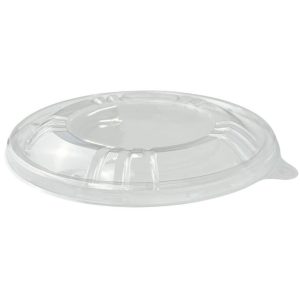
Sustainable 40 oz Fiber Bowls — Bagasse Fiber for Salads, Burritos & Hot Bowls
Read more -
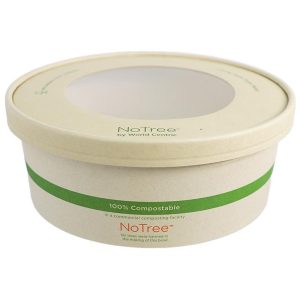
Sustainable 42 oz Food Containers — Kraft Paper for Foodservice & Catering
Read more -
Sustainable 44 oz Fiber Catering Trays — Kraft Paper for Foodservice & Catering
Read more -
Sustainable 44 oz Fiber Catering Trays — Kraft Paper for Foodservice & Catering
Read more -
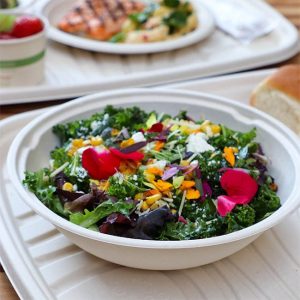
Sustainable 48 oz Fiber Bowls — Bagasse Fiber for Salads, Burritos & Hot Bowls
Read more -
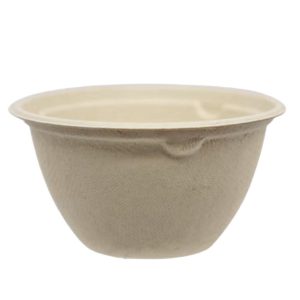
Sustainable 6 oz Fiber Bowls — Bagasse Fiber for Salads, Burritos & Hot Bowls
Read more -
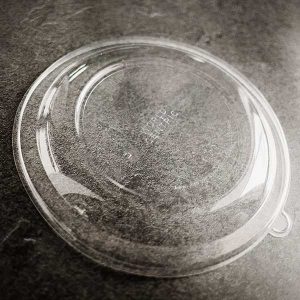
Sustainable 64 oz Fiber Bowls — PLA Bioplastic for Salads, Burritos & Hot Bowls
Read more -
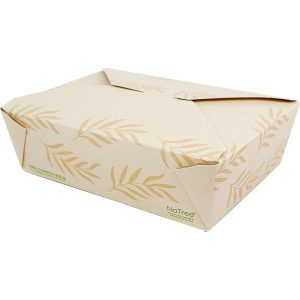
Sustainable 65 oz Food Containers — Kraft Paper for Foodservice & Catering
Read more -
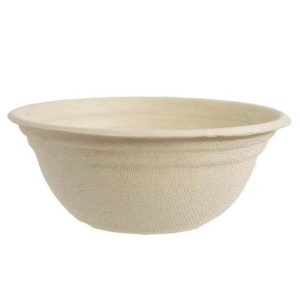
Sustainable 8 oz Fiber Bowls — Bagasse Fiber for Salads, Burritos & Hot Bowls
Read more -
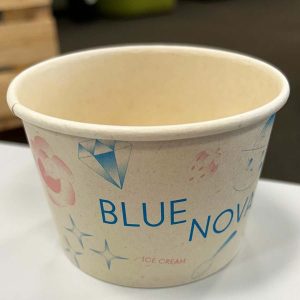
Sustainable 8 oz Food Containers — Kraft Paper for Foodservice & Catering
Read more -
Sustainable 8 oz PLA Lids — Kraft Paper for Takeout & Delivery
Read more
-
- “How do you verify your suppliers’ practices?”
- “What’s your policy on labor rights in your supply chain?”
Climate and emissions:
- “What’s your carbon emissions and how is it tracked?”
- “What’s your timeline for net-zero?”
- “How do you account for Scope 3 emissions?”
Specific failures or controversies:
- “I read about [specific issue]. What happened and what changed?”
- “Why did you switch from [previous practice] to [new practice]?”
Comparisons:
- “How do you compare to [competitor]?”
- “Are you better or worse than [industry average]?”
Prepare honest answers for each category. Customers respect direct responses more than vague reassurances.
Common mistakes
A few mistakes that undermine town halls:
Over-rehearsing the presentation. Town halls work when they feel conversational, not scripted. A polished marketing presentation that runs 30 minutes feels wrong in this context.
Avoiding hard questions. Pre-filtering questions or steering the discussion away from controversies makes the event feel hollow.
Making promises you can’t keep. If you commit to specific actions during the town hall, you need to deliver. Customers will hold you to commitments.
Treating it as one-way communication. The town hall should be a dialogue. If the company talks more than the customers, the format isn’t working.
Forgetting follow-up. The town hall produces commitments that need follow-up. Without that, the next town hall has nothing new to discuss.
Inviting only friendly customers. Customers know when the audience has been filtered for friendliness. Open invitations build credibility.
Follow-up and accountability
The town hall itself is a 90-minute event. The value comes from what happens after.
Within 1 week:
- Send a thank-you to attendees
- Distribute the recording (with permission)
- Document the commitments made
- Distribute the documentation internally
Within 1 month:
- Assign owners to each commitment
- Set milestones for delivery
- Share the action plan with customers
Within 6 months:
- Status updates on commitments
- Address any commitments that have hit roadblocks
- Adjust as needed and communicate adjustments
Before next town hall:
- Review past commitments
- Document what was achieved
- Identify what wasn’t and why
The follow-up is what converts the event from theater into actual change.
Costs and logistics
A town hall has modest direct costs but real time costs:
Direct costs:
- Venue (if in-person): $200-2000 depending on size
- Video platform (if virtual): often free for company licenses already in place
- Refreshments (in-person): $100-500
- Recording and editing: $200-1000
- Total: $500-3500 typically
Indirect costs (time):
- Preparation: 40-80 person-hours total across team
- Event itself: 5-10 person-hours of leadership time
- Follow-up: 20-40 person-hours across team
For a meaningful event, budget $5,000-15,000 in total direct and indirect costs. For a small business, this is significant. For a mid-sized company, it’s reasonable.
Measuring success
How do you know if a town hall worked? A few measures:
Attendance. Did people show up? For a first-time event, 20-50 attendees is a reasonable benchmark. Repeat events should grow over time.
Question quality. Did customers ask substantive questions? Or were they all softball? Substantive questions indicate engaged customers.
Commitments delivered. Did the commitments made during the event actually get delivered? This is the most important measure.
Customer feedback after. Post-event surveys reveal whether customers felt the town hall was valuable.
Continued engagement. Did customers continue interacting with the company more after the town hall? Increased customer engagement is a good sign.
Media or industry coverage. Town halls sometimes generate broader coverage of the company’s sustainability practices.
Scale considerations
Town halls scale up and down:
Small business (1-50 employees): Town hall might have 20-50 attendees. Format is informal. Direct conversation between leadership and customers.
Medium business (50-500 employees): Town hall might have 100-200 attendees. More formal structure. Multiple speakers from different functions.
Large enterprise: Town hall might have hundreds or thousands of attendees (mostly virtual). More structured format. Could include multiple events for different customer segments.
The format adjusts to scale, but the core principles remain the same.
Town halls in practice
A few real-world examples of effective town hall practice:
Patagonia’s “Footprint Chronicles” is an ongoing initiative that includes town hall-style customer engagement on environmental practices. The company openly discusses supply chain issues and improvements.
REI’s annual member events include sustainability components where customers can ask questions of leadership.
Some craft beer companies run town halls on packaging decisions (cans vs bottles, plastic six-pack rings vs cardboard) where customers participate in the decisions.
Some restaurants and food service operations host periodic customer events to discuss sourcing, food waste programs, and packaging choices.
These examples share a common pattern: the company is genuinely interested in customer voice and is willing to take heat from customers without becoming defensive.
Why this matters
For commercial operations with serious environmental commitments, the town hall format does several things:
- Builds trust with customers who want to know what’s actually happening
- Surfaces feedback that doesn’t come through surveys or social media
- Generates content for the year ahead (the discussion becomes a topic for ongoing communication)
- Creates accountability through public commitments
- Differentiates the brand from competitors with vaguer sustainability messaging
For commercial buyers evaluating suppliers, a willingness to host a town hall and answer hard questions is a positive signal. A supplier that refuses to engage directly with customer concerns is a different kind of supplier than one that welcomes the engagement.
Summary
A sustainability town hall is a 90-minute event that requires 60-120 person-hours of preparation and follow-up. It’s modest in direct cost and substantial in soft cost. The value is in the dialogue and the commitments that result.
For businesses with sustainability programs that are real (not just marketing), the town hall is a way to demonstrate authenticity. The format invites scrutiny; the willingness to invite it signals confidence.
For customers, a town hall is a chance to interact with the business as a stakeholder, not just a transactional party. The format respects customer voice and creates space for meaningful exchange.
Done well, the town hall becomes part of the business’s ongoing rhythm, an annual or semi-annual moment of accountability. Done poorly, it’s a one-time event that doesn’t lead anywhere. The difference is in the preparation, the honesty during the event, and the follow-up that converts commitments into action.